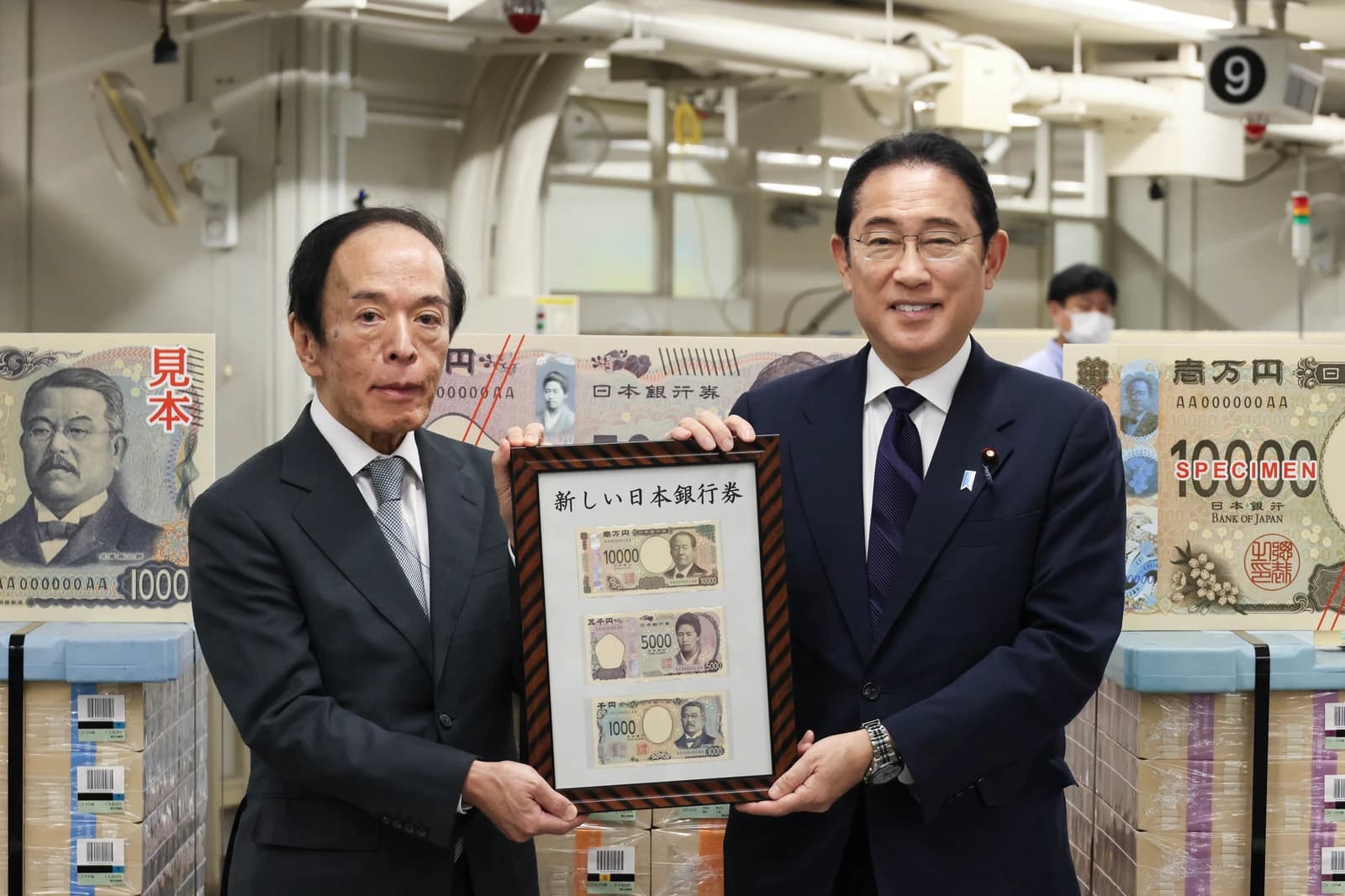
The yen strengthened after a record-setting Japanese government bond auction signaled that sidelined cash is moving back into Japan, giving the currency a rare lift even as the dollar remains broadly firm.
Japan bond auction lifts yen, boosts JGB demand
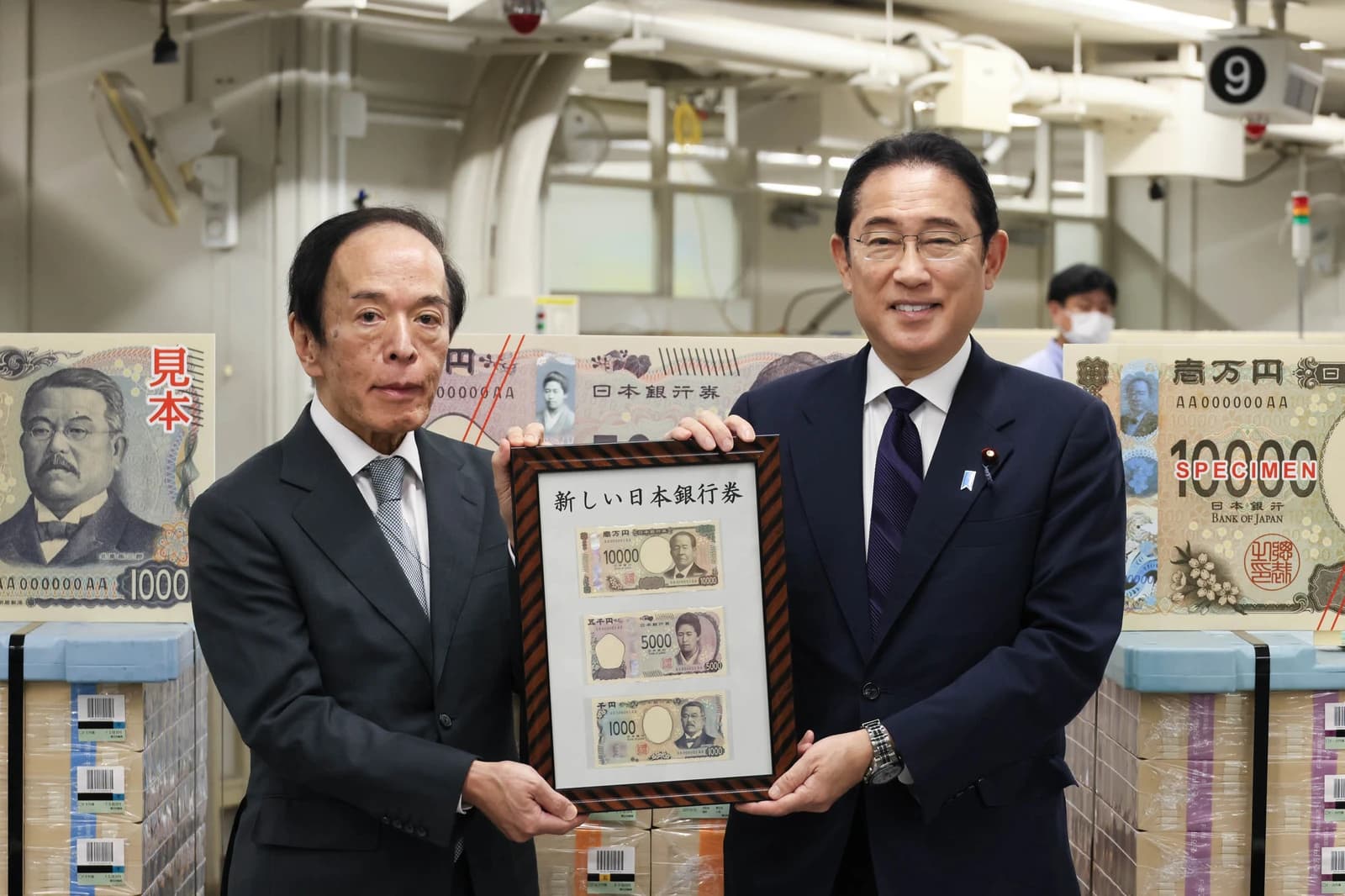
Japan’s 20-year bond sale drew bids 5.84 times the amount sold, far above the 4.01 coverage ratio at last month’s auction, and pushed the yen up 0.2% to 158.15 per dollar in Asia trade. The rally matters because it suggests domestic and foreign investors are willing to extend duration in Japan again just as global markets are searching for safe havens beyond the U.S. The 20-year JGB yield fell 6 basis points to 3.71% after the auction, a sharp move that points to renewed demand for Japanese fixed income.
Sentiment IndicatorsⓘProprietary · adalytica.com · October 25, 2026
This is a snapshot — live sentiment, awareness and momentum for 130+ markets update continuously in the dashboard.Open AlphaPulse
That demand is not happening in a vacuum. European political turmoil is giving Japanese assets an additional relative appeal, especially with France facing protests, curfews and renewed sovereign anxiety. In that setting, Japanese bonds are starting to look less like a low-yield backwater and more like a stability trade. For investors, that is important because the yen and long-end JGBs can regain support not just from Bank of Japan policy shifts, but from global capital flowing away from more fragile sovereign markets.
The move also reinforces a broader market setup in which the yen remains sensitive to risk sentiment even while the dollar’s yield advantage keeps USD/JPY elevated. The pair still sits near historically weak levels for the yen, but the latest auction shows the market is not uniformly bearish on Japan. Instead, cash that had been parked on the sidelines is responding to a combination of higher local yields, stronger institutional participation and fresh geopolitical stress abroad.
For equity investors, a firmer yen is a mixed blessing. It can pressure Japanese exporters and add volatility to the Nikkei, but it also signals that Japan is moving back onto the map for global allocators who had avoided the market during years of ultra-easy policy. That is the more important takeaway: once demand at the long end returns, Japan’s capital markets become harder to ignore, and the yen gets a structural backstop that can persist beyond a single session.
The market should keep watching whether this auction marks the beginning of a wider reallocation into Japanese duration. If it does, the beneficiaries are clear: JGB holders, domestic financials and yen bulls. The losers are carry trades funded in yen, exporters that benefit from a weak currency and investors still assuming Japan can only rally when the dollar weakens. This looks like the start of a more durable repricing, and positioning for it early may matter more than waiting for the Bank of Japan to confirm the move.
| Entity | Gains | Losses |
|---|---|---|
| Japanese government bonds | ▲Stronger demand | ▼Lower yields |
| Yen bulls | ▲Safe-haven bid | ▼Carry traders |
| Japanese financials | ▲Better bond-market depth | ▼Exporters |
| French sovereign bonds | ▲Less relative appeal | ▼More funding stress |