The US dollar’s lack of sharp moves on July 19 signals a market that is no longer chasing the greenback higher, and that matters because it points to softer US rate expectations, calmer currency volatility and a more defensive setup for importers, exporters and cross-border investors alike.
Dollar Pause Signals Softer Fed-Rate Expectations
That stability is economically important because the dollar sits at the center of global pricing, funding and capital flows. When the currency stops swinging hard, it usually means markets are repricing the path for Federal Reserve policy and stepping back from the kind of volatility that distorts trade margins and emerging-market financing costs. In this case, the dollar has been losing some of the momentum it built earlier in the quarter as softer US inflation data reduced conviction around further rate hikes and boosted bets on a more patient Fed.
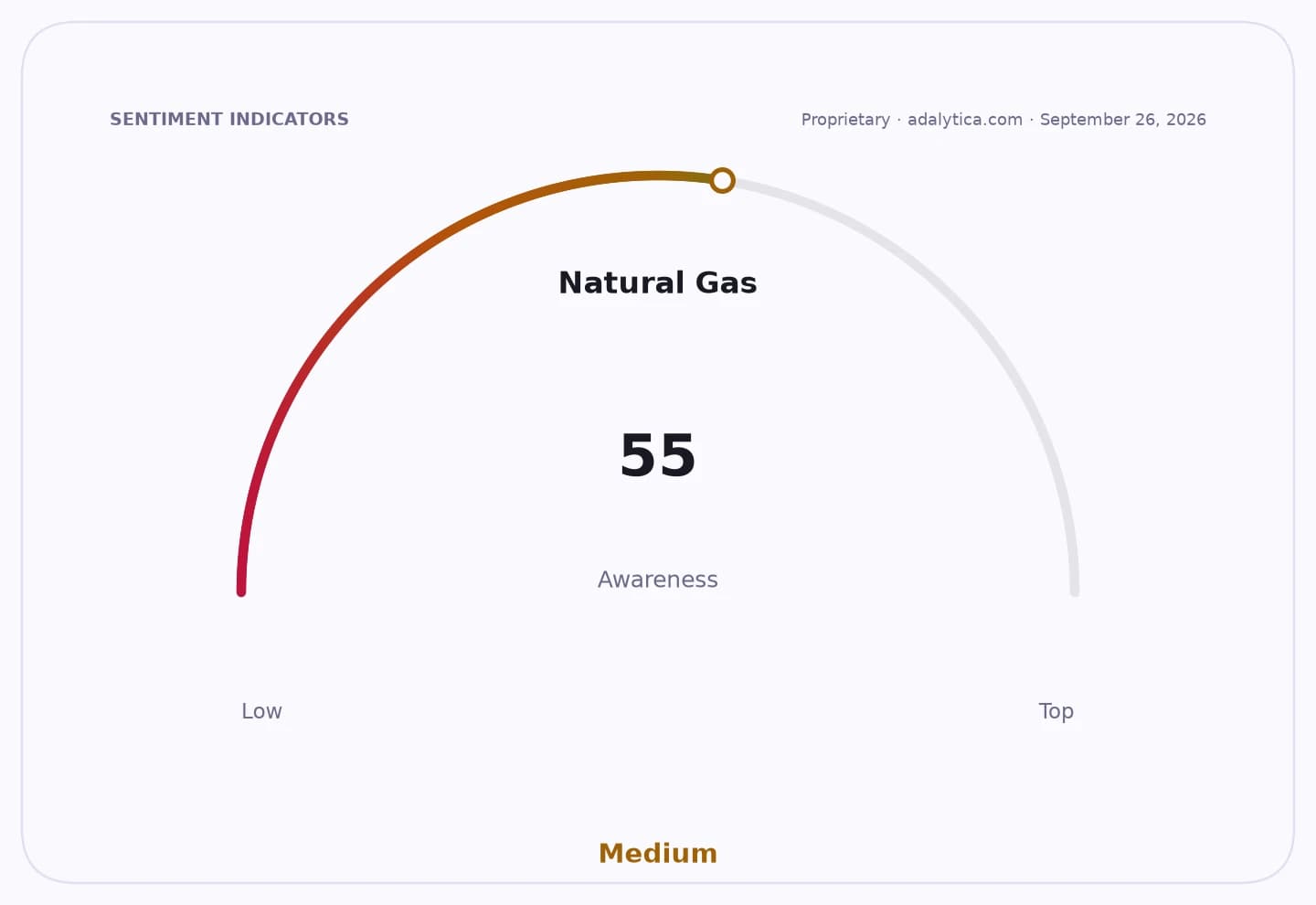
Sentiment IndicatorsⓘProprietary · adalytica.com · July 19, 2026
This is a snapshot — live sentiment, awareness and momentum for 130+ markets update continuously in the dashboard.Open AlphaPulse
The price action backs that up. The dollar traded at 82.26 in the latest reading after sliding from 92.30 two sessions earlier and 104.26 at the end of June, showing the kind of uneven but contained pullback that is more consistent with a consolidation than a panic unwind. The 50-day moving average is still above the current price, while the RSI has fallen to 43, a sign the move has cooled from overbought territory. MACD remains negative, reinforcing the message that near-term momentum has faded even if the longer-term trend has not fully broken.
For investors, that combination is a warning against betting on another runaway dollar rally. A calmer dollar tends to ease pressure on commodity importers, reduce balance-sheet stress for dollar borrowers and improve visibility for companies with large overseas revenues. It also narrows the case for holding pure volatility trades in FX, especially when Adalytica’s FX volatility signals have dropped to extreme fear readings and its US dollar trade signals remain neutral despite a recent bounce in sentiment. The market is telling you this is a regime of digestion, not conviction.
US Dollar — 30-day sentimentadalytica.com
Explore this data interactively — full history, time series and cross-market comparisons.Open AlphaPulse
The broader narrative is that the dollar is becoming less of a one-way macro trade and more of a relative-value story. With the euro still under pressure and the pound and other major currencies facing their own policy constraints, the real opportunity is not in blindly fading the dollar but in targeting the second-order winners from a less volatile FX backdrop. That includes multinational exporters with hedged revenue streams, emerging-market assets that benefit from easier dollar funding conditions, and US companies tied to global capex cycles where currency stability helps preserve margins and postpone the need for aggressive hedging.
The near-term catalyst remains the Federal Reserve. If upcoming inflation and labor data continue to soften, the dollar’s support level could erode further and volatility could remain subdued. If that happens, the market’s next move may be to rotate away from pure cash and into risk assets that benefit from a slower, steadier dollar rather than a surging one. In other words, the real opportunity may be hiding in the businesses that win when the dollar stops being the market’s loudest trade.
| Entity | Gains | Losses |
|---|---|---|
| US importers | ▲Lower hedging pressure | ▼Less pricing power |
| Dollar borrowers abroad | ▲Easier funding costs | ▼Fewer safe-haven flows |
| Multinational exporters | ▲More predictable margins | ▼Softer FX windfalls |
| FX volatility traders | ▲Stable range setups | ▼Fewer breakout opportunities |