The dollar was little changed on Monday after a stronger-than-expected US payrolls report pushed traders to price a higher chance of another Federal Reserve rate hike, while the New Zealand dollar rebounded from a seven-month low as election results pointed to a likely center-right majority.
Dollar Steady, Kiwi Rebounds After New Zealand Vote

That combination matters because the market is still trading the same macro regime: US growth remains resilient enough to keep the Fed hawkish, while political uncertainty in smaller economies can jolt local currencies even when the global dollar backdrop is firm. For investors, that means the greenback’s pullback risks may stay limited, and currency moves will continue to create opportunities in exporters, importers and overseas revenue names.
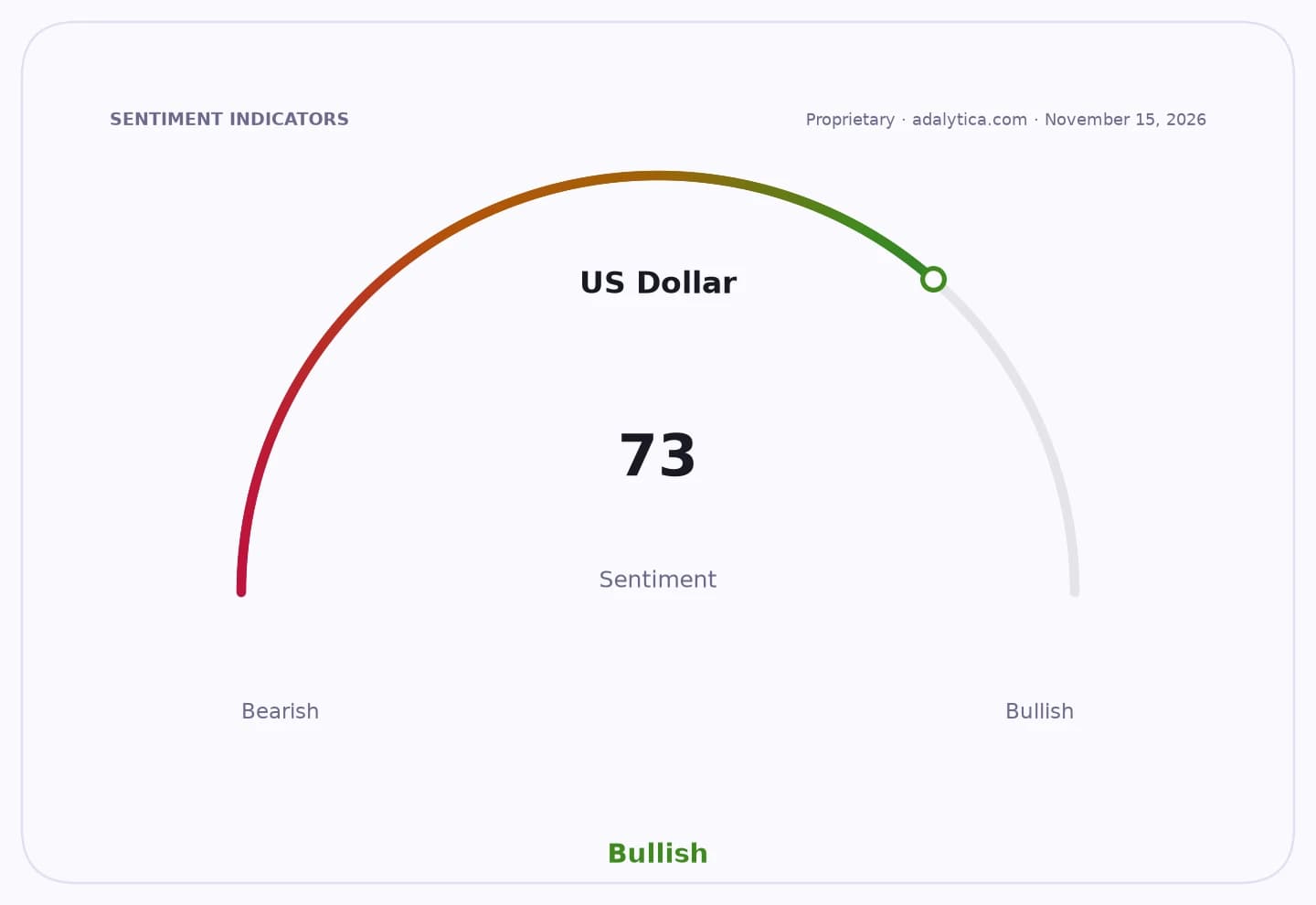
Sentiment Indicators
US Dollar
The US dollar index was steady at 102.20 after jumping about 0.7% on Friday, when October jobs data showed hiring accelerated and the unemployment rate fell. Futures now imply roughly an 79% chance of a Fed rate increase on Dec. 9, up from 71% a week earlier, according to CME FedWatch.
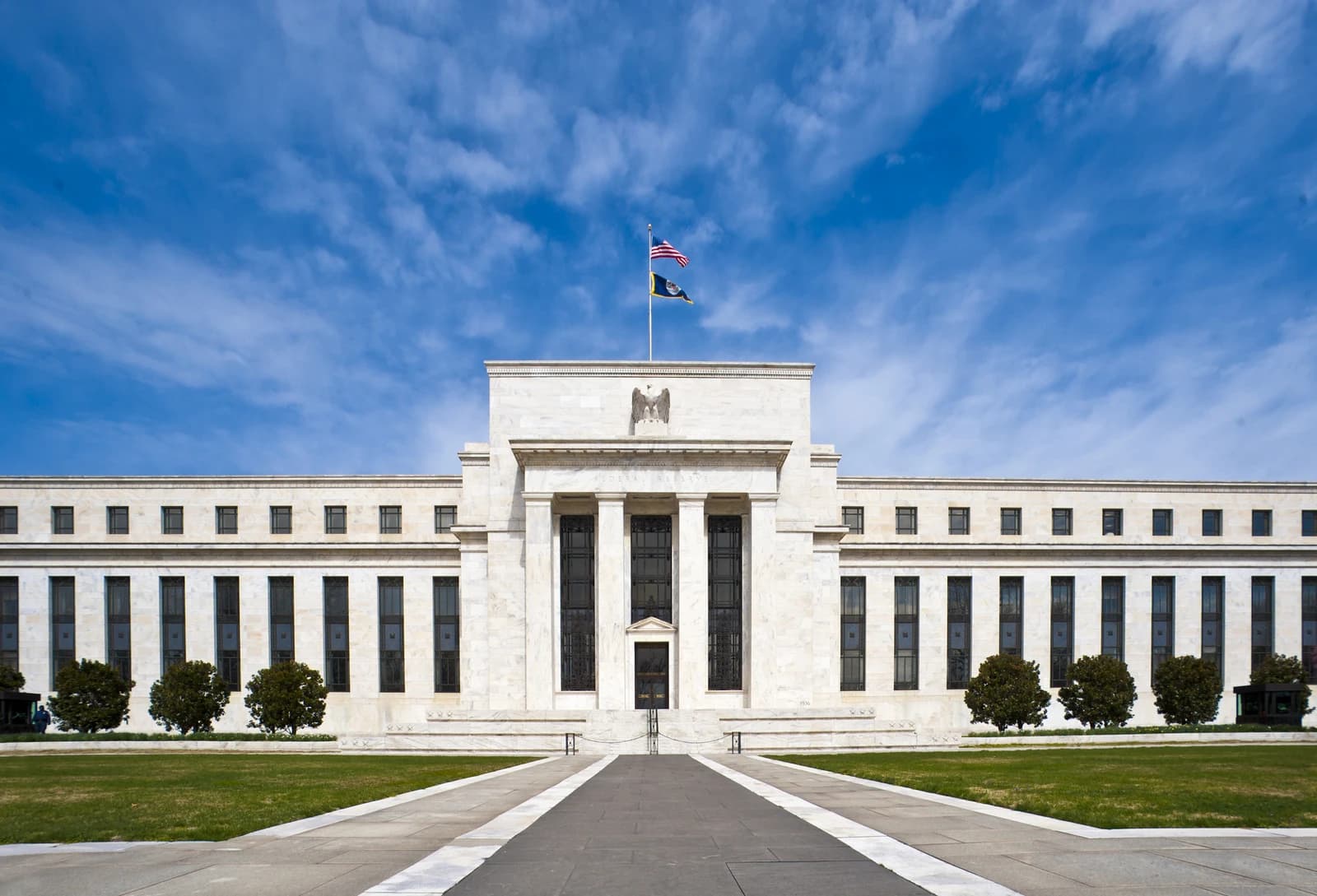
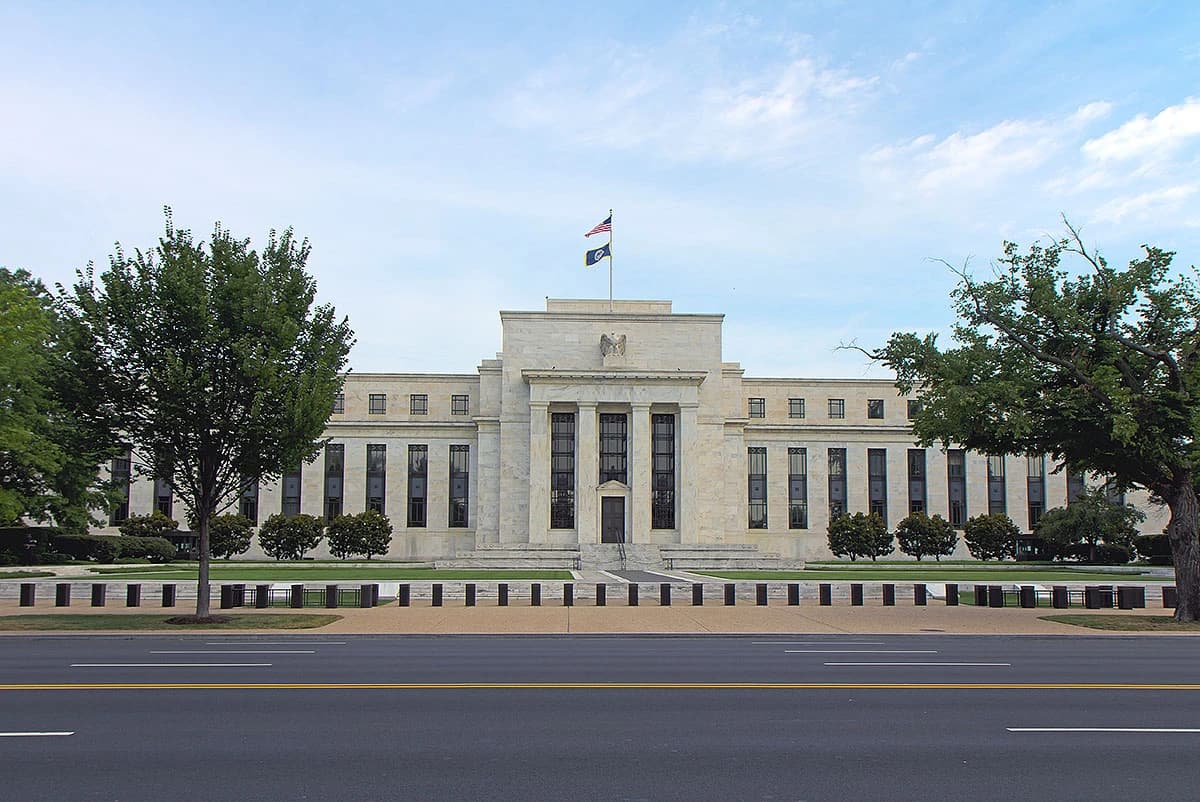
That shift is the real story. The dollar has been trying to extend gains even as global tech shares sell off and investors worry about AI spending and valuation. Barclays strategists said strong economic momentum is still supporting the currency, and Friday’s comments from Fed officials added to that view. New York Fed President John Williams said the economy has stayed remarkably resilient, while St. Louis Fed President Alberto Musalem and San Francisco Fed President Mary Daly both signaled inflation remains too high for comfort.
Technically, the dollar’s ETF proxy, UUP, is pressing higher above both its 50-day and 200-day moving averages, while its relative strength reading has moved back into constructive territory. That does not guarantee a straight-line rally, but it does suggest the market is still willing to pay for dollar exposure when rate expectations turn in the greenback’s favor.
The kiwi, meanwhile, climbed 0.4% to $0.5557 after hitting a seven-month trough late last week. Preliminary results showed Prime Minister Christopher Luxon’s National Party and its partners ACT New Zealand and New Zealand First on 67 seats in the 131-seat parliament, just enough for a majority, though nearly 400,000 votes remain to be counted and final results are not due until Nov. 27.
For New Zealand assets, the risk is less about a dramatic policy rupture than the drag of political limbo. Traders had already pushed the currency lower on uncertainty, and the rebound suggests some short covering rather than a clean shift in sentiment. But if the final count confirms a workable majority, the kiwi could find a floor as investors refocus on the Reserve Bank’s path and relative yield support.
The broader message for markets is straightforward: dollar strength is still being driven by US rate expectations, not by election noise elsewhere. Until the incoming data forces the Fed narrative to change, investors should assume the dollar remains the cleaner macro trade, while currencies like the kiwi stay more vulnerable to domestic political headlines and surprise shifts in risk appetite.
| Entity | Gains | Losses |
|---|---|---|
| US dollar | ▲Higher rate expectations | ▼Weakness in rival currencies |
| Dollar bulls | ▲Carry and momentum | ▼Short dollar positions |
| New Zealand dollar | ▲Post-election relief bounce | ▼Political uncertainty premium |
| Importers in New Zealand | ▲Stronger local currency on rebound | ▼Exporters facing firmer kiwi |