The dollar’s latest strength is tightening the squeeze on Afghanistan’s consumers, where higher import bills are pushing up fuel and flour prices in Kabul and reinforcing an inflation shock that markets are still underestimating.
Dollar Strength Pressures Import-Heavy Economies
FX Volatility Trading Signals
That matters because Afghanistan is a heavily import-dependent economy with little buffer against currency moves. When the dollar rises, the local cost of essentials imported from abroad rises almost immediately, and that feeds straight into household budgets. In Kabul, fuel and flour are among the most sensitive staples, so even a modest move in the greenback can amplify food insecurity and raise the risk of broader social strain.
Sentiment Indicators
The broader macro backdrop is still inflationary. U.S. producer prices, tracked by the PPIACO index, have climbed to 292.5 in May from 280.3 in June 2022 and are forecast to edge higher again, while consumer prices, measured by CPIAUCSL, are at 334.0 versus 257.8 in December 2022. That combination points to a world where dollar strength is not happening in isolation — it is intersecting with sticky global price pressures, especially in energy and food.
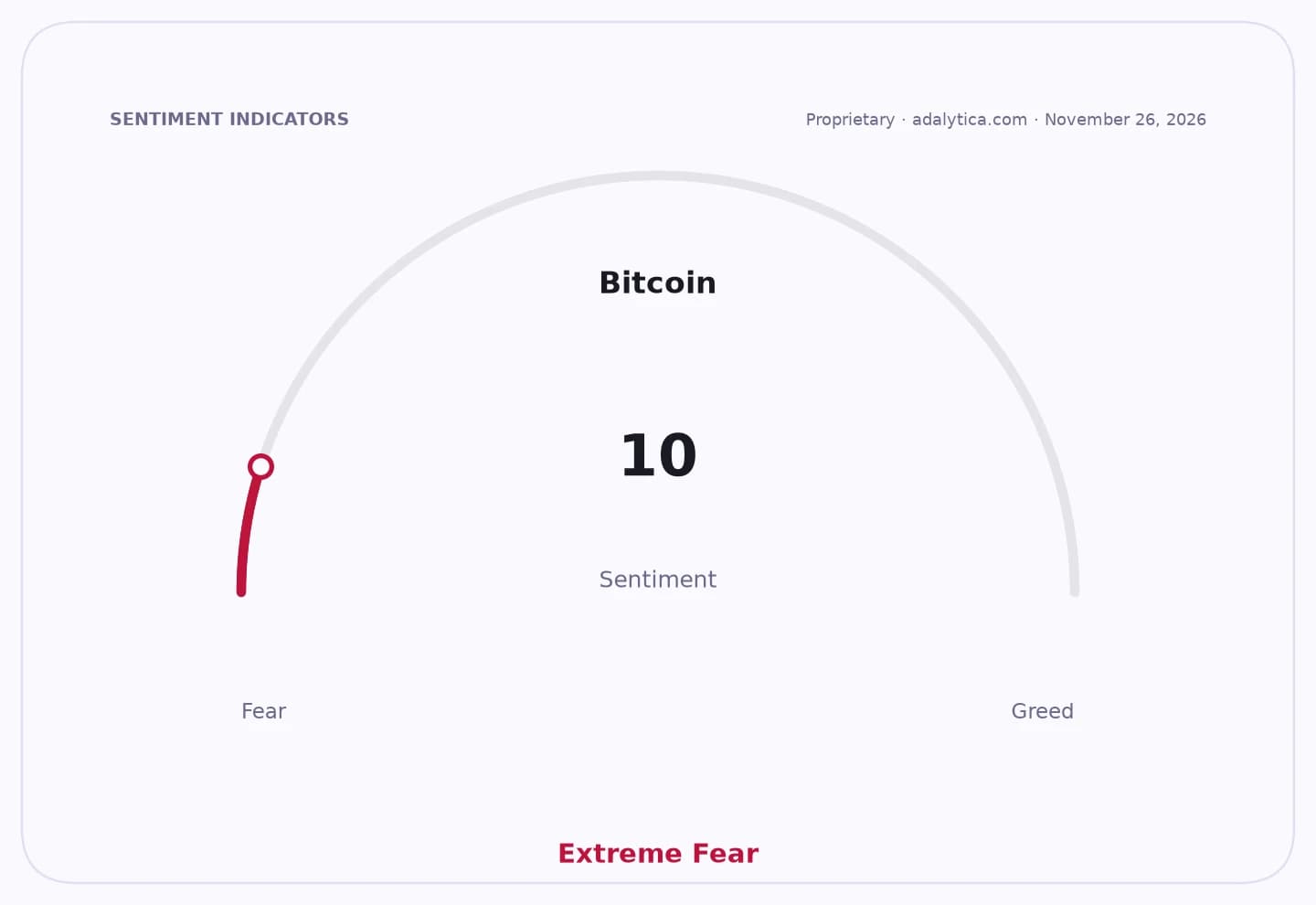
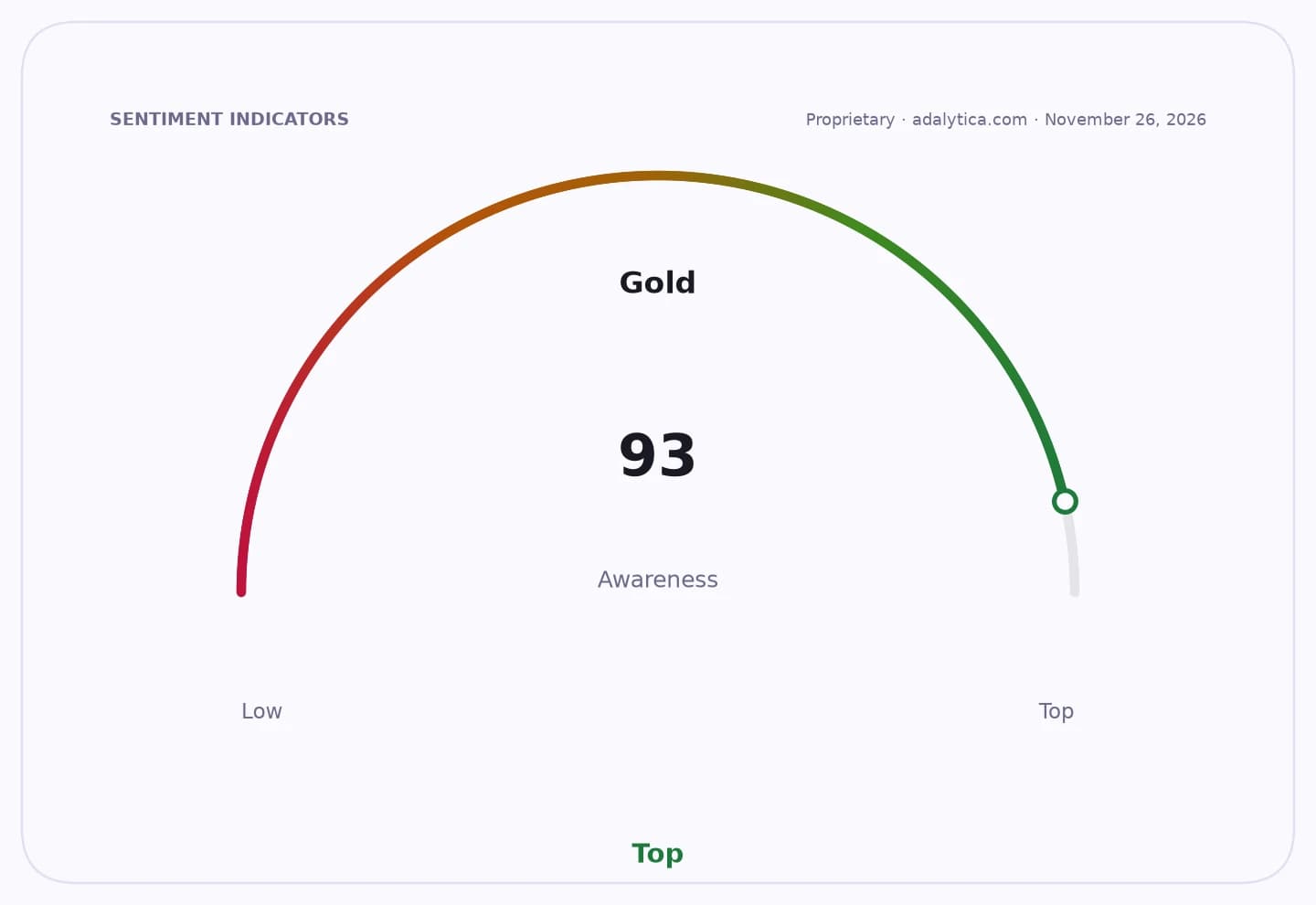
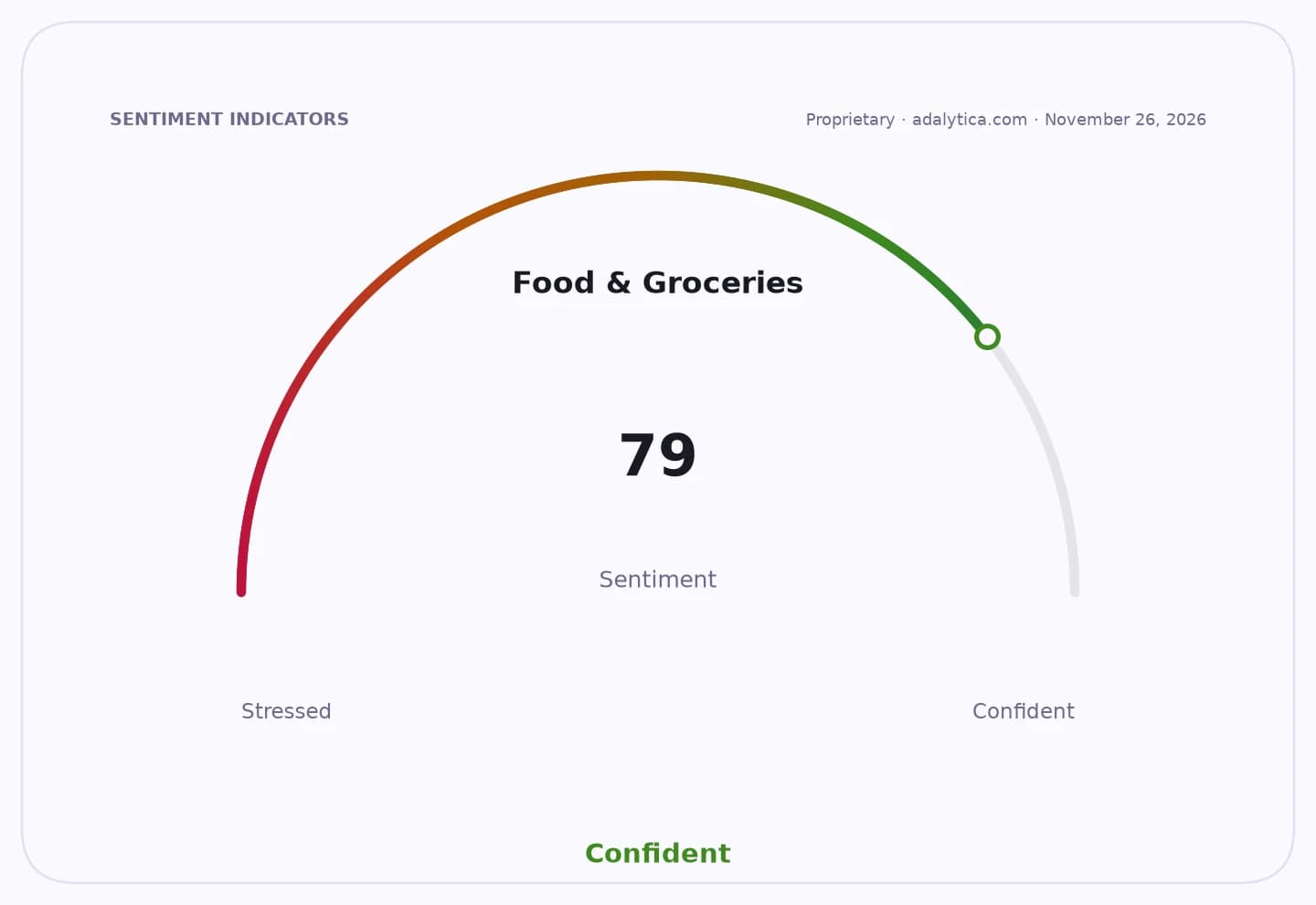
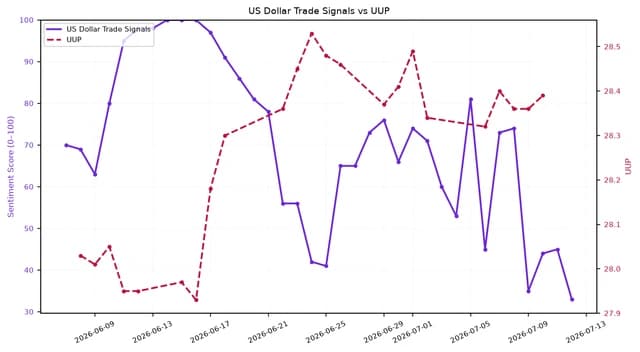
The trade is showing up in currency markets too. The U.S. Dollar ETF UUP has broken higher, trading around 28.39, above both its 50-day and 200-day moving averages, with a relatively firm RSI reading and positive MACD momentum. By contrast, the Japanese yen proxy FXY remains weak at 56.74, still below its 200-day average. Adalytica.com’s US Dollar Trade Signals also show sentiment at neutral but awareness at an “Extreme Fear” reading, a sign that positioning is being driven more by defensive demand than conviction.
For investors, the key point is that dollar strength is not just a macro headline — it is a transfer mechanism. It can keep import-dependent economies under pressure, support U.S. dollar-linked assets, and favor producers and exporters over consumers and importers. In practical terms, that means the market underestimates the durability of inflation in vulnerable regions and the second-order winners across commodities, shipping, defense and select hard-asset plays.
The next move depends on whether energy prices continue to climb and whether global growth slows enough to cap the dollar’s advance. If fuel and food stay bid, Kabul’s price pressures will remain a warning signal for other import-heavy economies. For investors, the actionable takeaway is to stay aligned with the strong dollar, own beneficiaries of global pricing power, and avoid assets exposed to rising import costs and fragile consumer demand.
| Entity | Gains | Losses |
|---|---|---|
| U.S. dollar bulls | ▲Higher purchasing power | ▼Less attractive carry unwind |
| UUP holders | ▲Momentum breakout | ▼Mean-reversion risk |
| Afghan consumers | ▲None | ▼Higher food and fuel costs |
| Import-dependent economies | ▲None | ▼Inflation and subsidy pressure |