The Dominican Republic’s banking regulator moved to calm depositors on Monday, saying local financial institutions are operating normally even as digital outages rippled through major U.S. banks and payment services.
Dominican Republic banks say services are normal

That matters because the first instinct in any cross-border banking glitch is contagion fear, especially in an era when retail customers move money instantly and trust can evaporate faster than balance sheets. The Superintendencia de Bancos said it was monitoring the situation and found no interruption in Dominican financial services, a reassurance aimed at preventing panic withdrawals or payment delays from spreading across the local system.
Sentiment Indicators
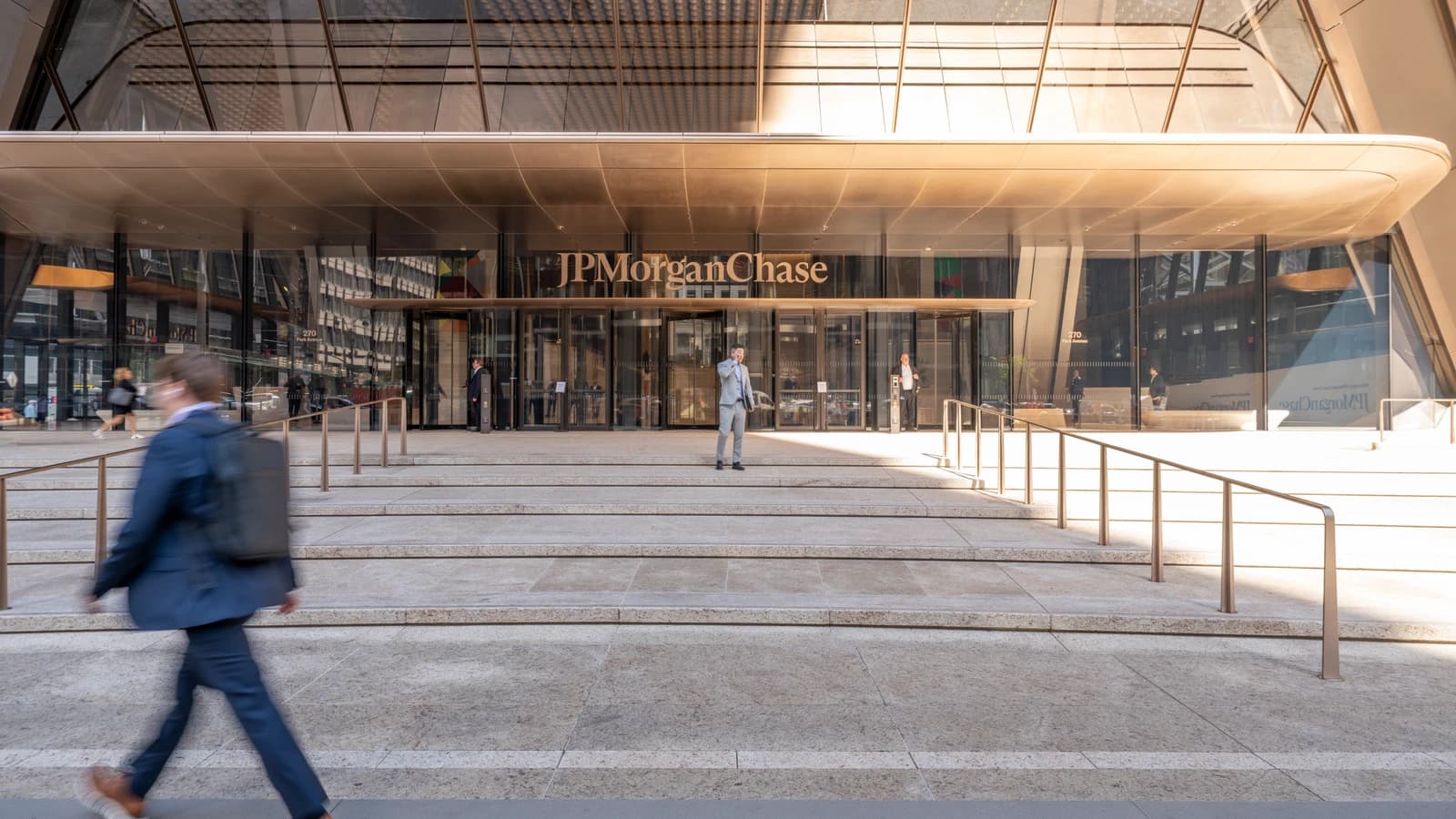
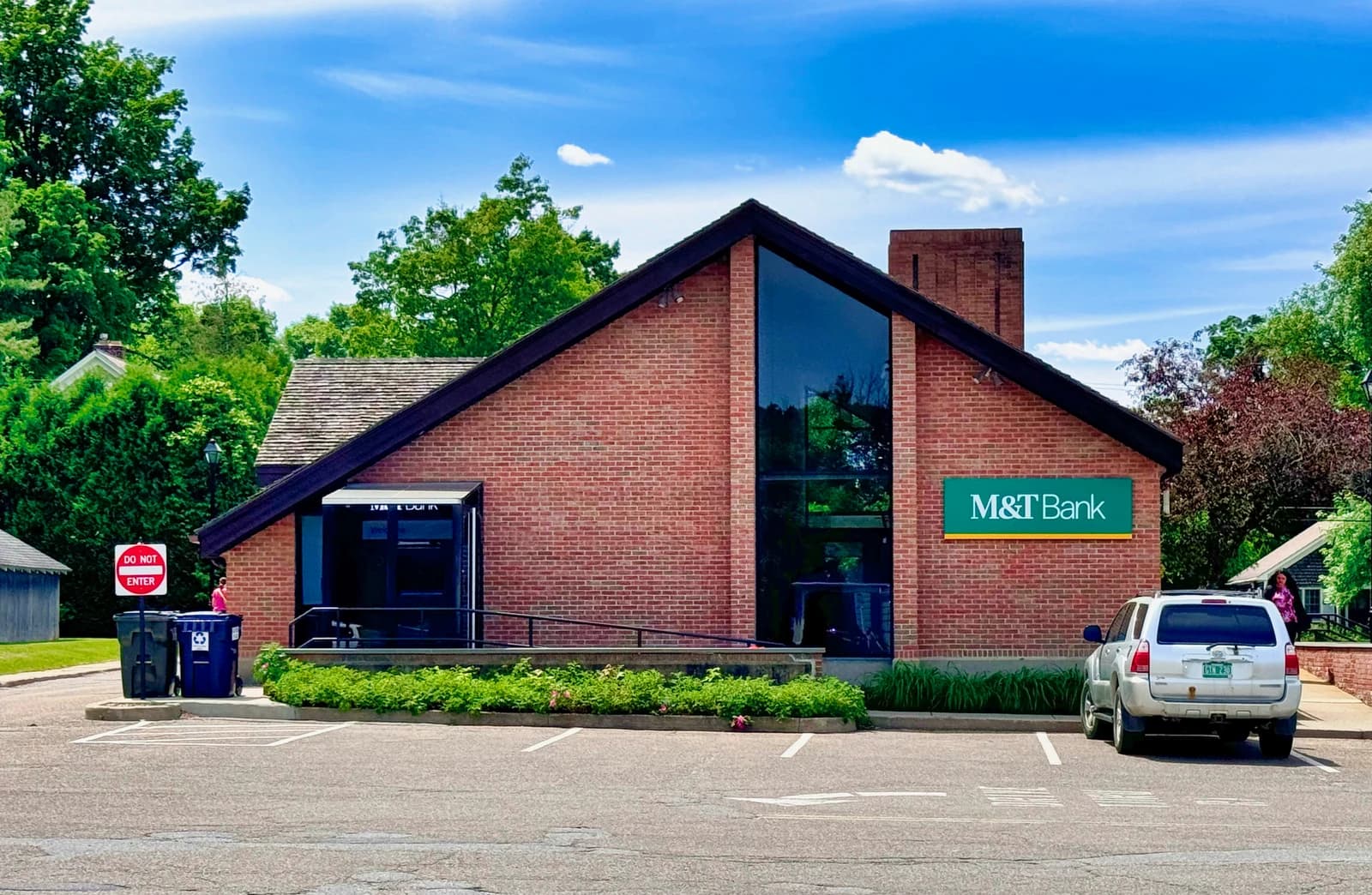
The warning came after U.S. users reported difficulty accessing accounts at Chase, Bank of America and Wells Fargo, with DownDetector logging more than 4,000 complaints tied to Chase before 2 p.m. local time and more than 2,500 reports across Bank of America, Wells Fargo, U.S. Bank and JPMorgan. Centuries of banking history have shown that the real risk in an outage is not the technical failure itself, but the speed at which customers infer a broader problem.
For investors, the key takeaway is that the incident appears operational rather than systemic. That supports the case for large U.S. lenders such as JPMorgan, Bank of America and Wells Fargo to be treated as infrastructure franchises rather than fragile utilities, even when digital rails misfire. It also underscores how much of modern banking value now sits in payments reliability, app performance and customer confidence — not just net interest income and loan growth.
In the Dominican Republic, the immediate market implication is limited, but the broader message is important: regulators in smaller open economies are increasingly sensitive to imported financial noise from the U.S. banking system. That is a reminder that local stability can depend on global technology resilience, especially where remittances, card payments and cross-border transfers are essential to household cash flow and business activity.
The bigger investable narrative is that banks with scale, diversified funding and strong liquidity remain the winners when short-lived disruptions hit. Their shares can wobble on headlines, but the long-term advantage belongs to institutions that can absorb operational shocks without losing deposits or credibility. If anything, this kind of episode reinforces the moat around the biggest lenders and the payment networks they rely on.
The market should watch whether the outage proves isolated or becomes another data point in the ongoing debate over digital resilience, compliance and operational risk at the world’s largest banks. For now, the Dominican regulator’s message is simple: no local disruption, no systemic spillover, and no reason to confuse a U.S. platform failure with a broader banking stress event.
| Entity | Gains | Losses |
|---|---|---|
| Dominican banks | ▲Confidence in local stability | ▼None from the outage |
| Chase, Bank of America, Wells Fargo | ▲Eventual trust if issue resolves quickly | ▼Short-term reputational damage |
| JPMorgan and other large U.S. lenders | ▲Scale highlighted as a moat | ▼Scrutiny on digital reliability |
| Depositors and payment users | ▲Reassurance from regulators | ▼Temporary access friction |