The Dominican Republic’s inflation cooled in August, but not enough to keep price growth inside the central bank’s target band, a reminder that the economy remains resilient even as consumer costs stay sticky.
Dominican Republic Inflation Slows to 5.13% in August

Annual inflation slowed to 5.13% from 5.47% in July, the central bank said, while monthly consumer prices rose 0.38%. That is a meaningful deceleration, but it still leaves inflation above the 4.0% plus-or-minus 1.0% target range and keeps pressure on policymakers to balance price stability against growth.
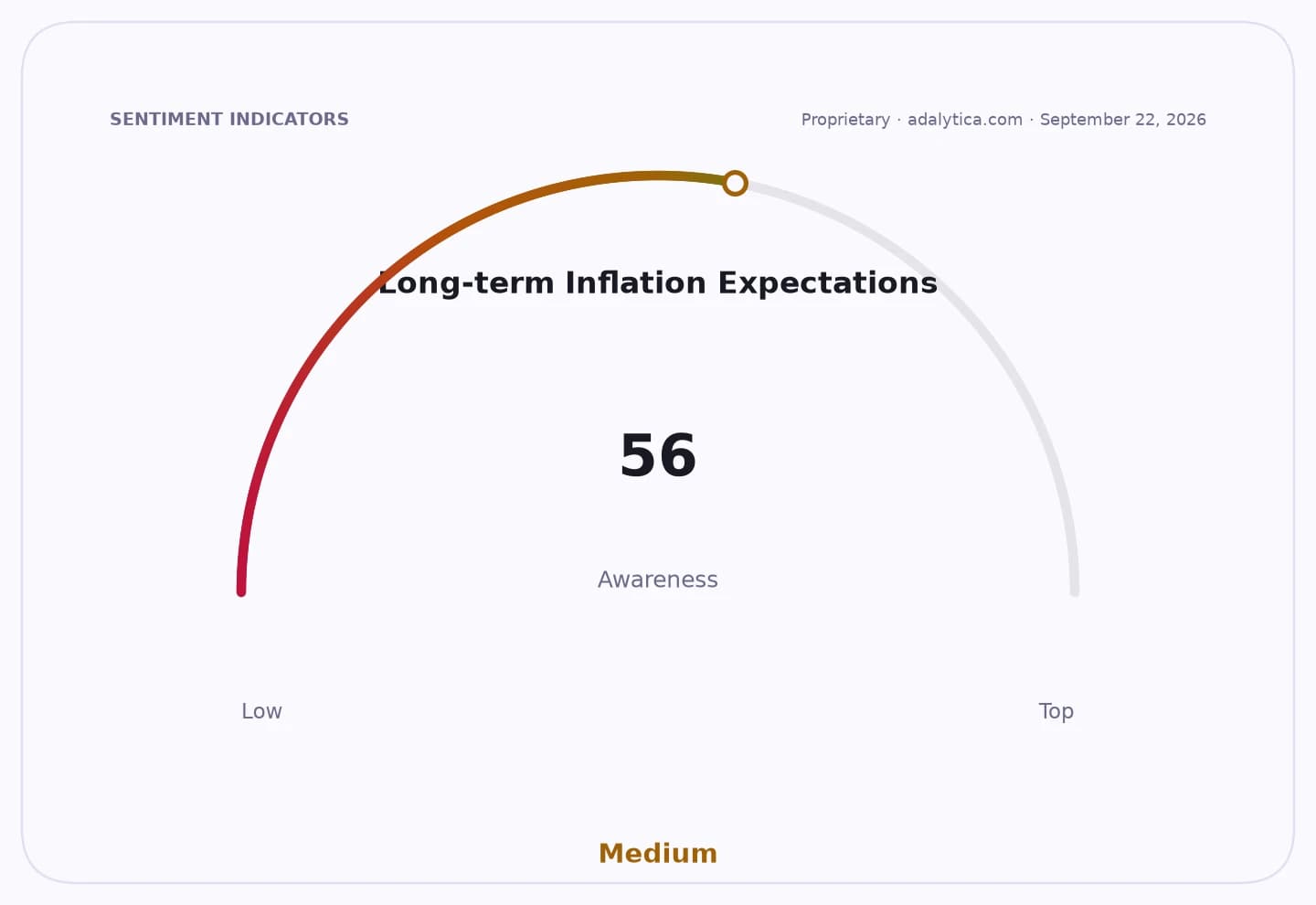
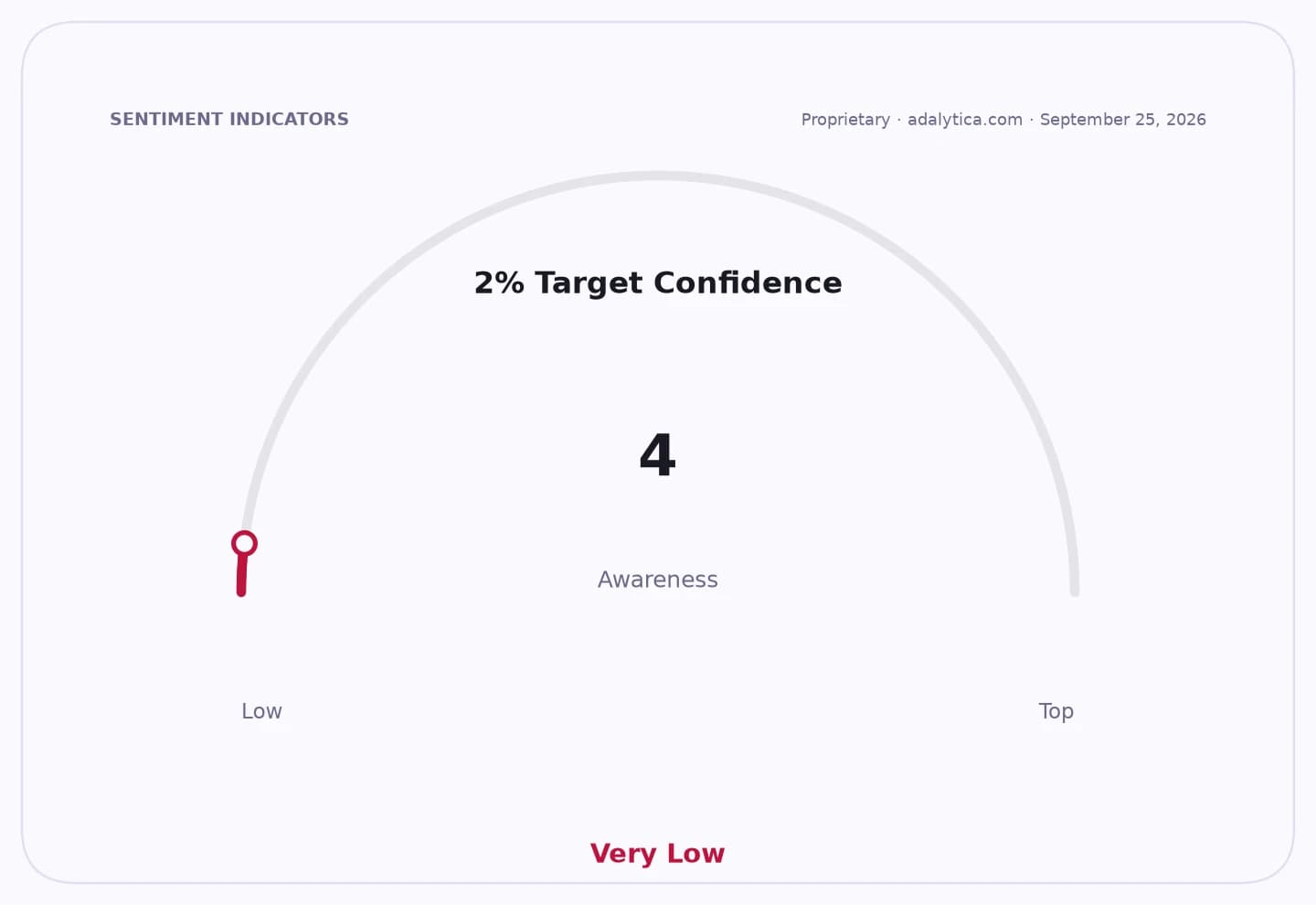
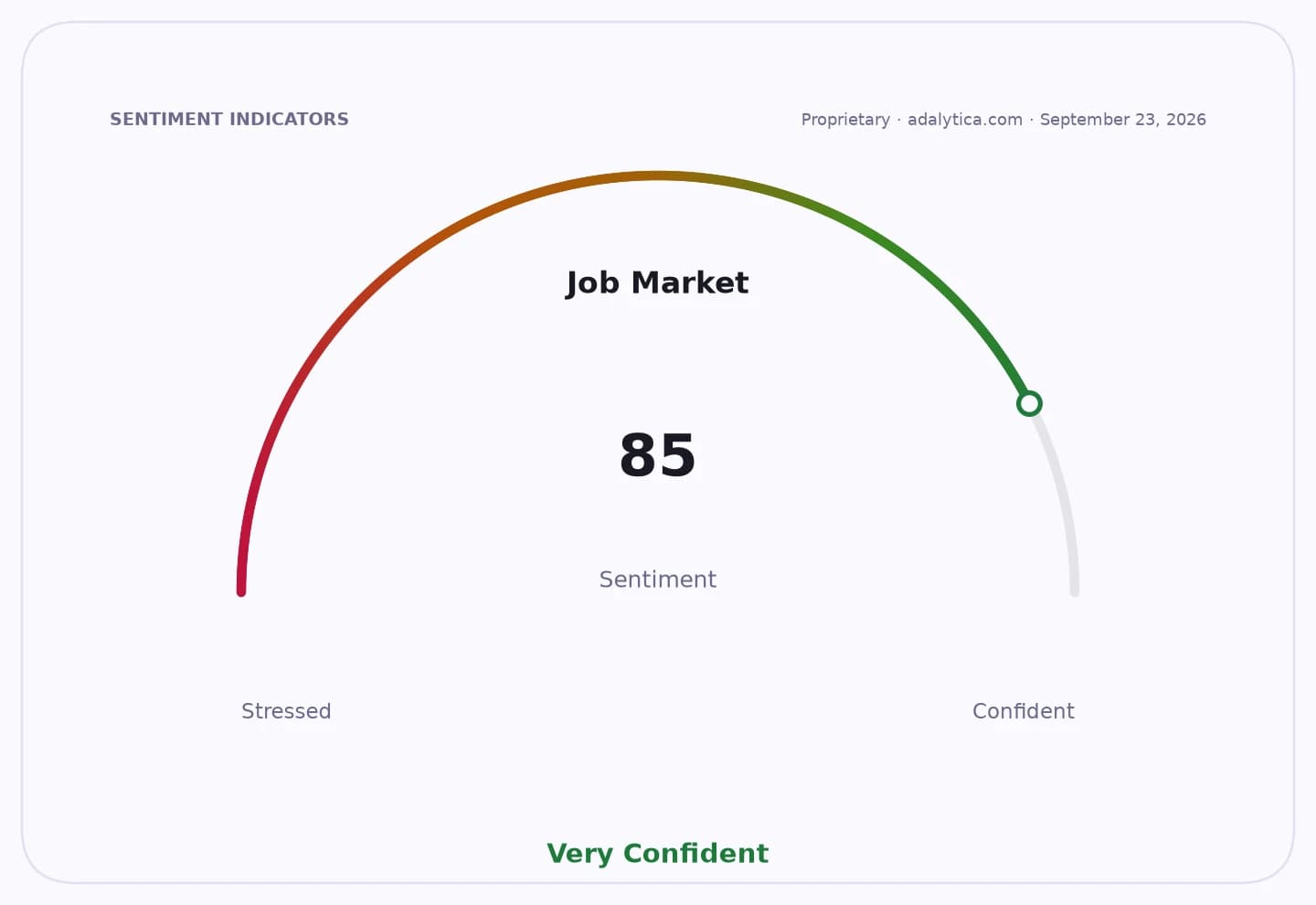
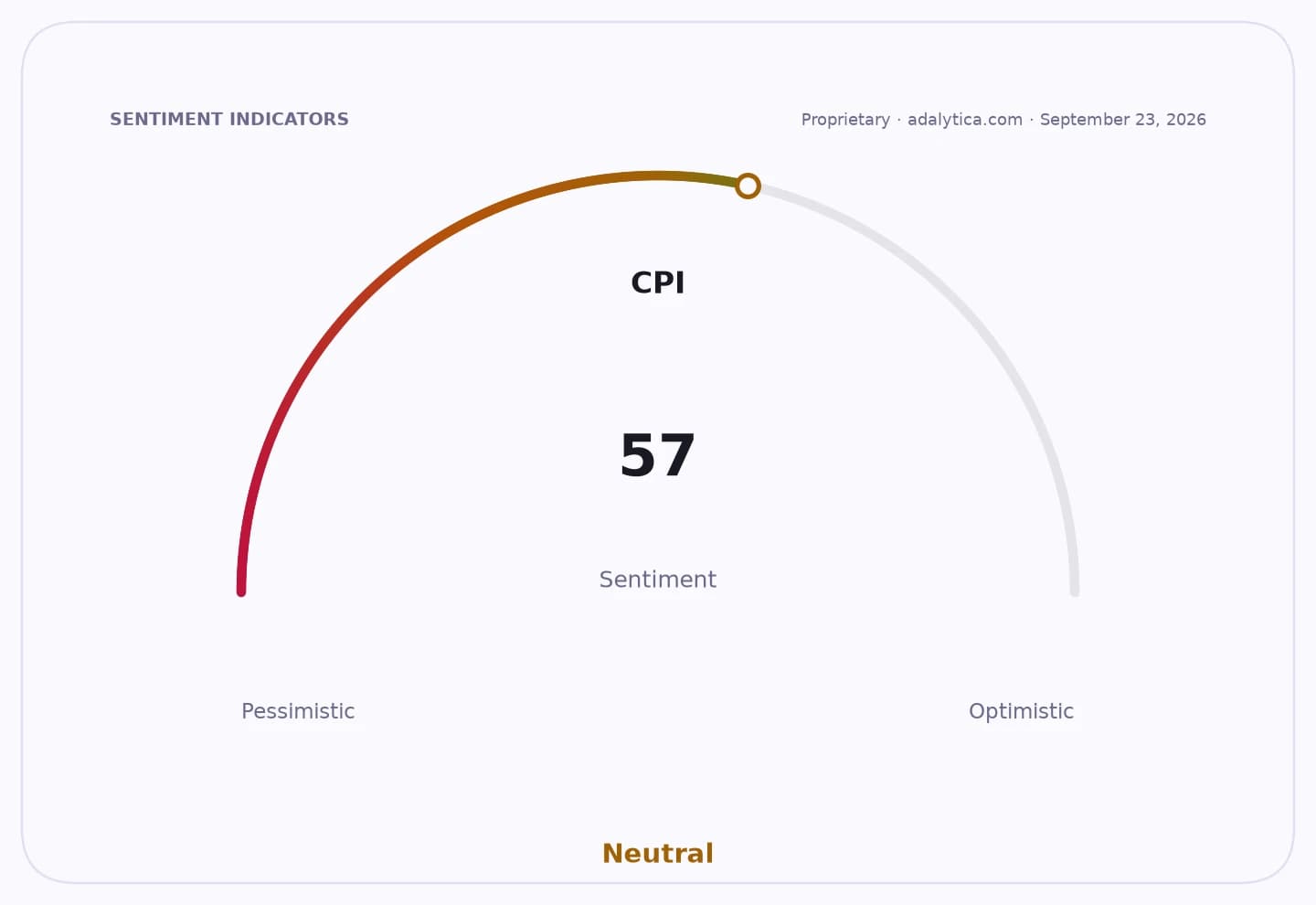
Sentiment IndicatorsⓘProprietary · adalytica.com · September 7, 2026
This is a snapshot — live sentiment, awareness and momentum for 130+ markets update continuously in the dashboard.Open AlphaPulse
For investors, the more encouraging number may be core inflation. The underlying measure, which strips out volatile items such as food, fuel and regulated prices, rose 0.40% on the month and 4.76% from a year earlier, staying within the central bank’s comfort zone. That suggests the broad inflation trend is not spiraling, even if headline prices remain elevated.
The monthly increase was driven mainly by education, furniture and household goods, food and nonalcoholic beverages, transport, and restaurants and hotels. Education alone climbed 2.72% as private school and university fees reset at the start of the academic year, while food prices rose 0.42% on items such as potatoes, fresh chicken, rice and bottled water.
That mix matters because it tells investors the inflation challenge is coming less from a sudden macro shock and more from ordinary domestic demand and seasonal pricing. In other words, this is not the kind of inflation surge that typically forces a harsh policy response. It is a slower grind, and those tend to be easier for economies to absorb.
That lines up with the broader growth picture. The Dominican economy has been expanding at a solid pace, helped by services, construction and free-zone manufacturing, and recent wage gains in some sectors have supported spending power. For long-term investors, that combination is important: steady growth with manageable core inflation is usually friendlier to banks, consumer companies and infrastructure-linked businesses than either recession or runaway prices.
The central bank will likely want to see several more months of moderation before calling the job done. If headline inflation keeps drifting lower and core inflation stays anchored, it strengthens the case for policy stability and gives households a better chance of preserving real purchasing power.
For patient investors, the takeaway is simple: the Dominican Republic still looks like a resilient emerging-market story, but inflation is not yet fully back in the clear. Worth watching for signs that the slowdown in prices turns into a sustained trend.
| Entity | Gains | Losses |
|---|---|---|
| Dominican households | ▲Slower inflation pace | ▼Still-positive price increases |
| Central bank | ▲Evidence of easing core pressures | ▼Inflation still above target band |
| Banks and lenders | ▲Stable growth backdrop | ▼Potentially tighter policy longer |
| Consumers and retailers | ▲Resilient demand | ▼Higher costs for food and education |