The Dominican Republic is trying to reassure farmers and millers that its rice industry remains protected and strategically supported after President Luis Abinader scrapped a tariff decree that had angered producers and raised questions about market access for U.S. grain.
Dominican Republic Repeals Rice Tariff Decree
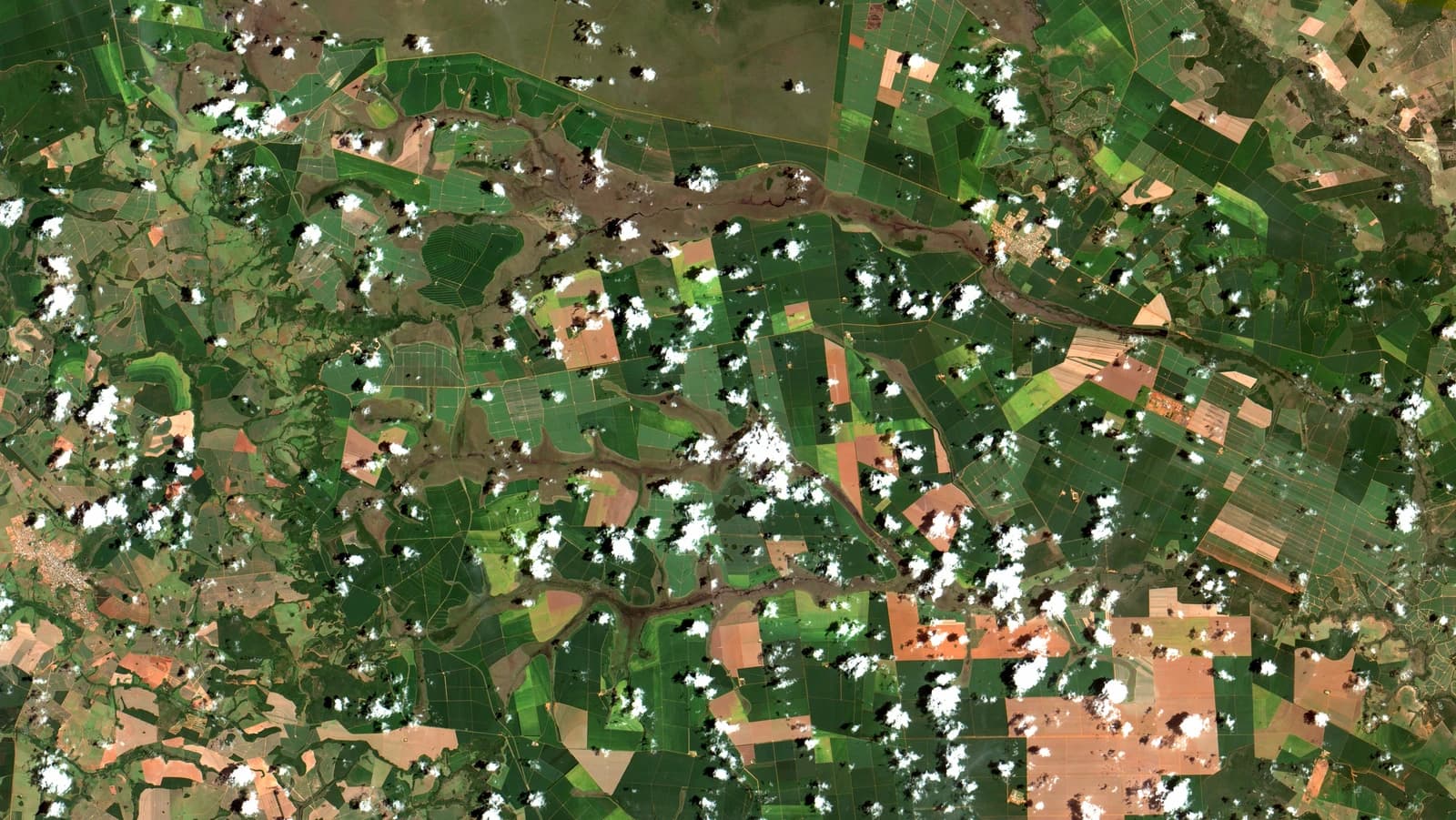
The move matters because rice is one of the country’s most politically sensitive food staples, a source of income for thousands of rural families and a pillar of food security. With national output rising from 9.2 million quintals in 2005 to nearly 14.8 million in 2025, the government is under pressure to show that opening the door further to U.S. imports will not undermine a sector built up over two decades with subsidies, cheaper financing, irrigation spending and seed support.
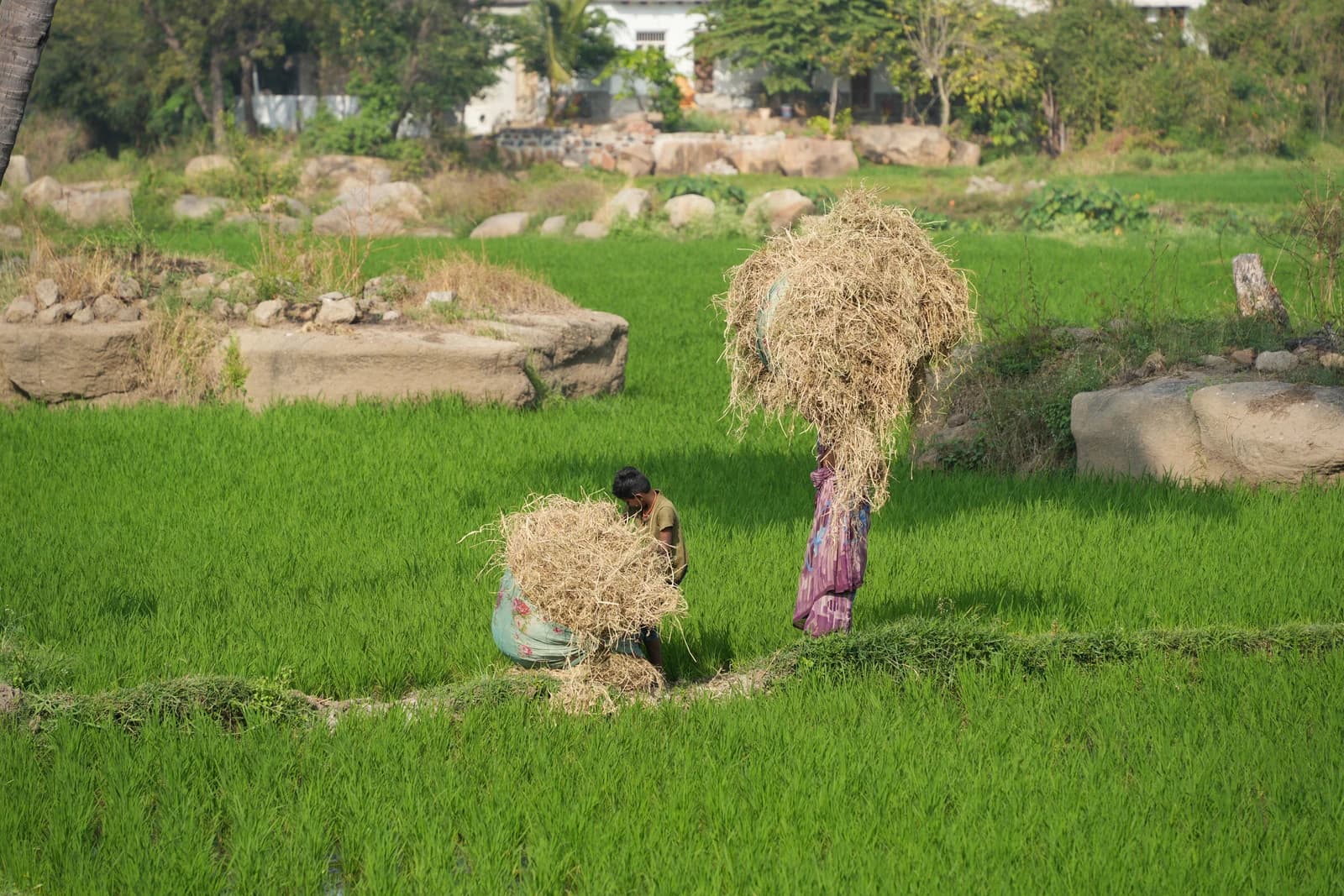
Vice President Raquel Peña led a presentation highlighting that progress, while administration minister Andrés Bautista García stressed the crop’s role in rural employment, commercialization and processing. Officials pointed to certified-seed subsidies, fertilizer support, preferential loans, crop insurance and the upkeep of irrigation and drainage systems as evidence that the state is still backing domestic producers even after the tariff rollback.
The controversy stems from the repeal of decree 693-24, which had set a 20% duty on some rice imports inside quota and tariffs as high as 99% on volumes above the quota, while also allowing 23,300 metric tons of U.S. rice to enter duty-free. The reversal came amid trade talks with Washington over access for U.S. rice to the Dominican market and U.S. complaints tied to the country’s commitments under the DR-Cafta trade pact.
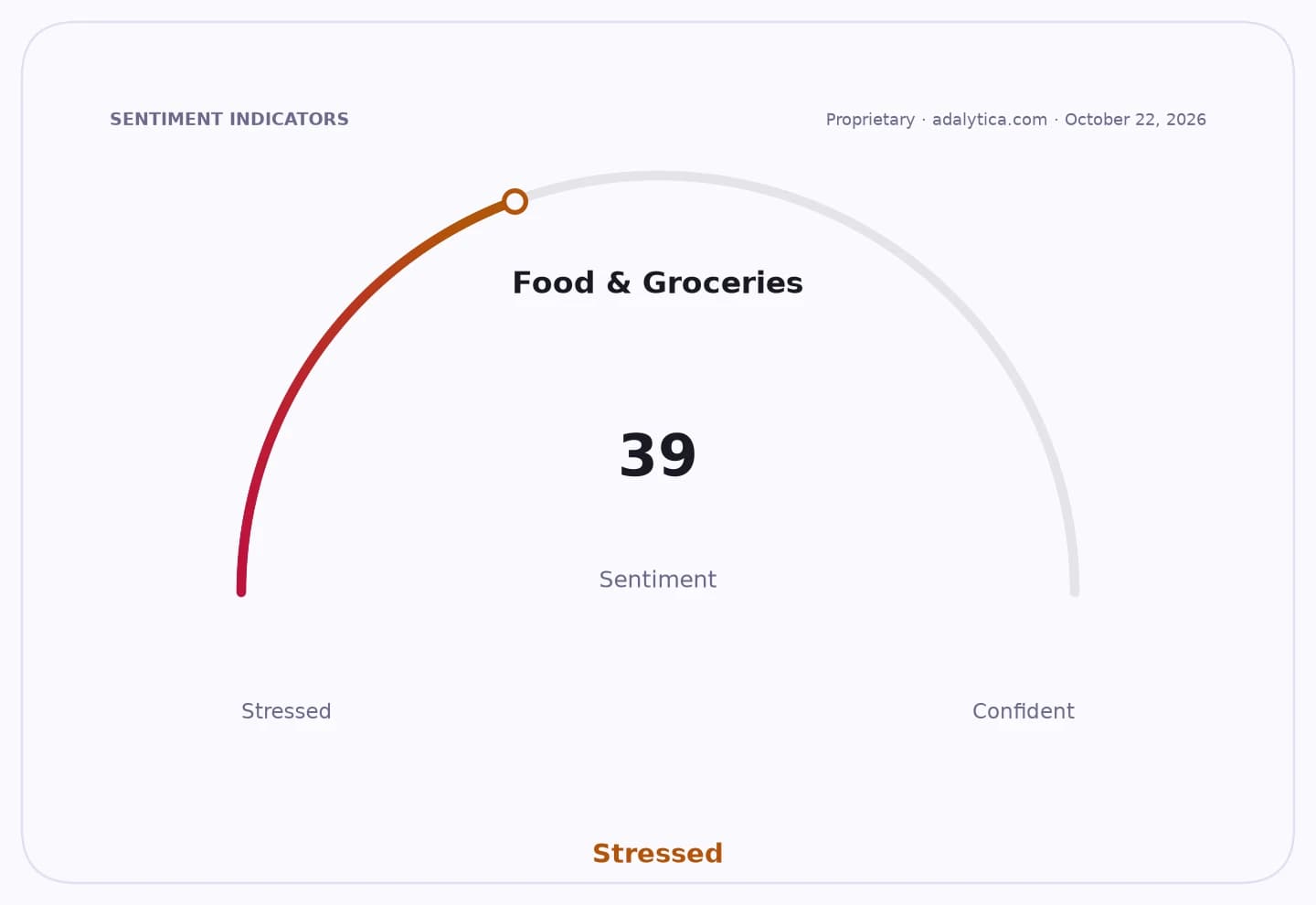
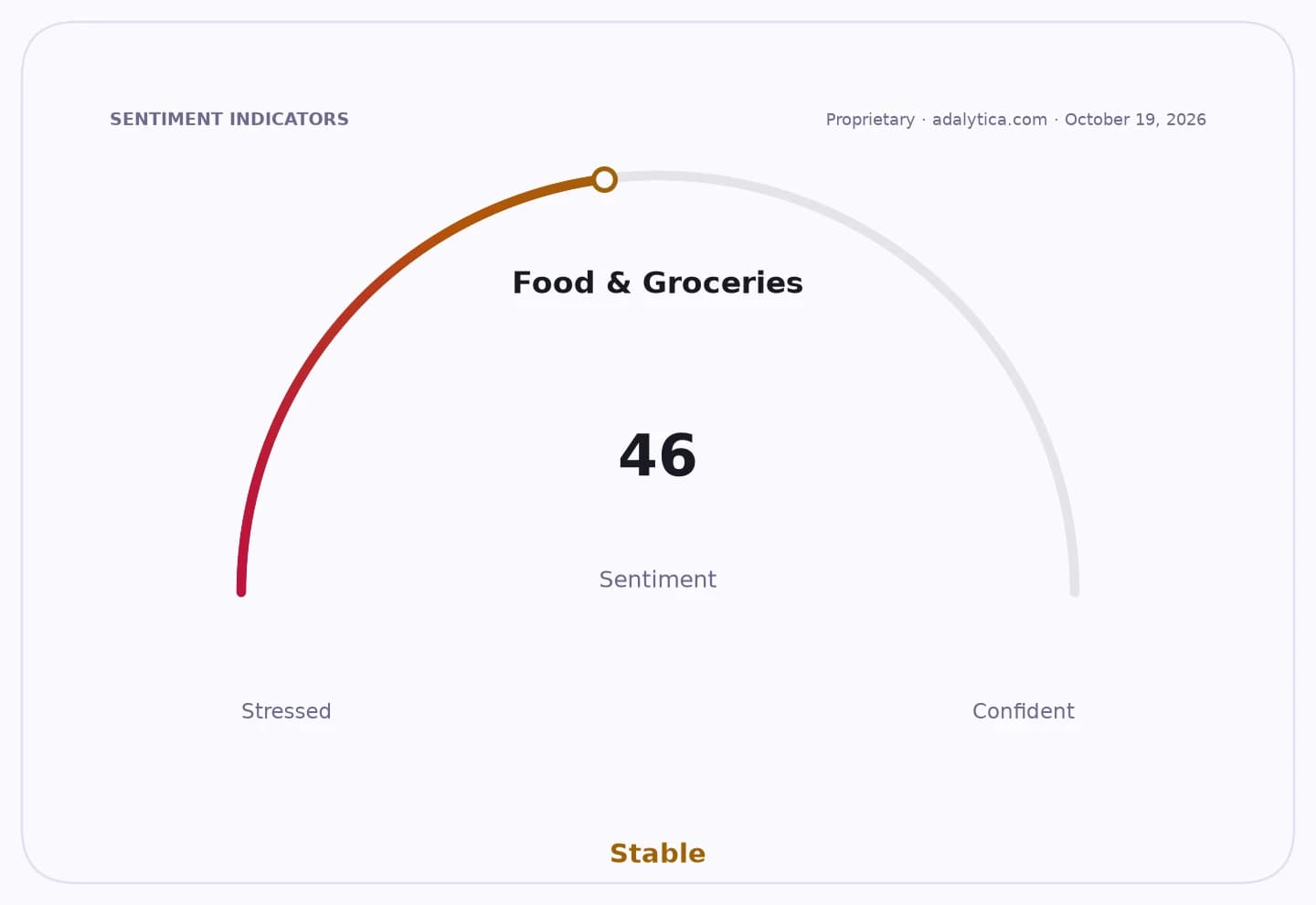
For investors and agribusiness participants, the issue is not only about tariffs but about how the government balances food inflation, trade obligations and domestic production incentives. A more open import regime could ease supply pressures and reduce the risk of trade retaliation, but it also raises the prospect of weaker margins for local growers if imported rice competes aggressively on price.
Producer groups are signaling that the policy change has not settled the issue. Confenagro said the repeal creates uncertainty and wants clarity on how the state will protect jobs, rural employment and food security. The opposition PLD is pushing for a broader review of rice policy, along with a contingency and modernization plan backed by defined resources and deadlines.
Bautista’s response suggests the administration wants to shift the debate from tariffs to competitiveness, arguing that new technology, better farm infrastructure and improved marketing systems are the path to keeping the industry viable. That leaves the government with a familiar policy test: how to modernize a protected staple sector without leaving producers exposed to imports or Washington exposed to a trade dispute.
For now, the immediate investor takeaway is that Dominican rice policy remains fluid. Any shift in import flows, farm support or DR-Cafta compliance will affect not just farmers and millers, but also food-price dynamics, rural credit demand and the broader trade relationship with the United States.
| Entity | Gains | Losses |
|---|---|---|
| Dominican consumers | ▲Lower import risk on supply | ▼Less certainty on local price stability |
| Local rice farmers | ▲Continued subsidies and support | ▼Tariff shield weakened |
| U.S. rice exporters | ▲Better market access | ▼No guaranteed protection from quotas |
| Dominican government | ▲Trade flexibility, fewer U.S. disputes | ▼Political backlash from producers |