Low wages and the country’s high cost of living are keeping homeownership out of reach for most Dominican workers, underscoring a housing affordability problem that has become an economic drag as much as a social one.
Dominican wages leave homeownership out of reach
Official data from the Social Security Treasury show that as of end-August 2026, only 22.2% of the 2.57 million formal workers registered in the system earned more than 50,000 pesos a month, or about $833. By contrast, 55.2% — roughly 1.42 million workers — took home less than 30,000 pesos, including 7.7% who earned under 15,000 pesos.
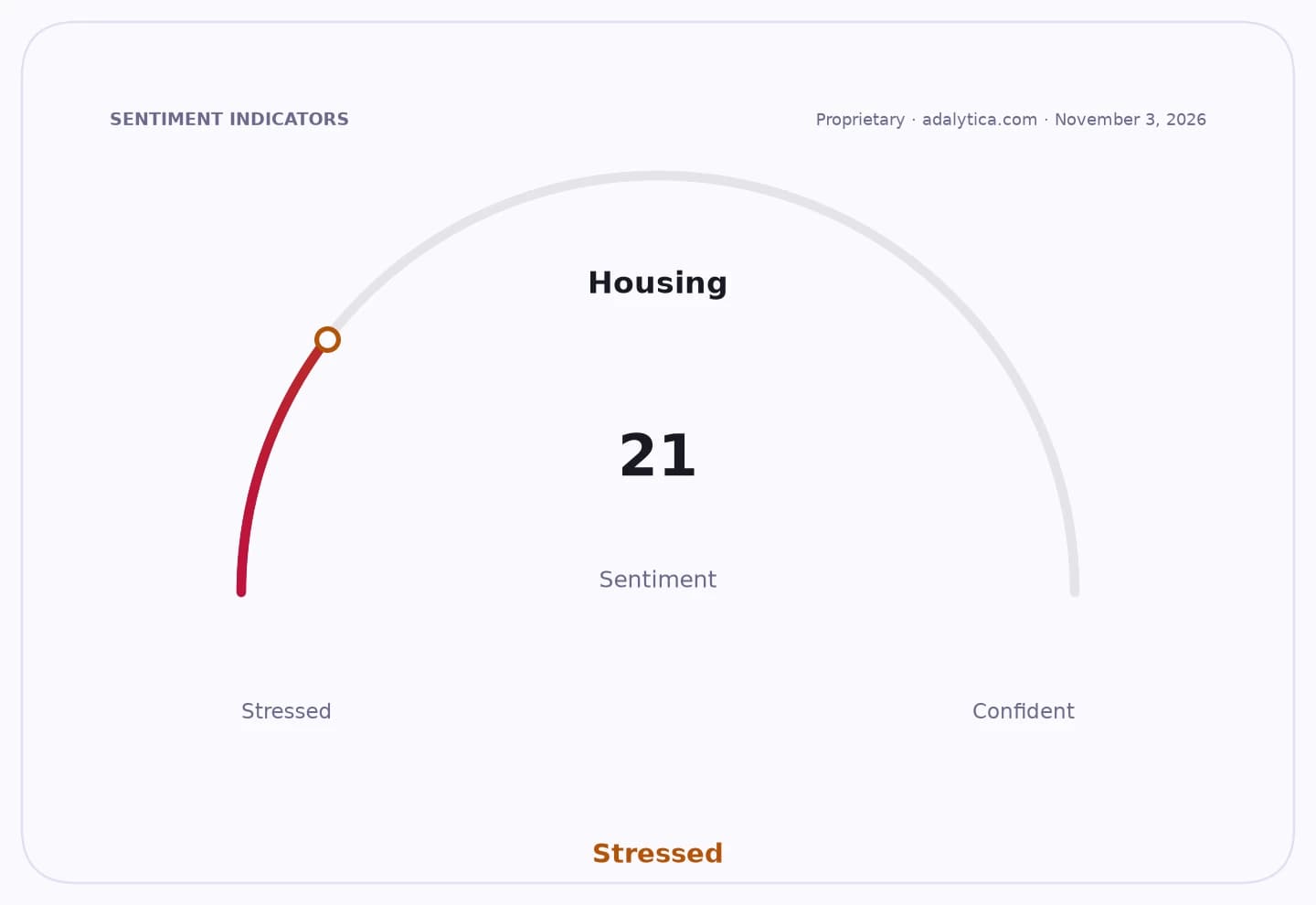
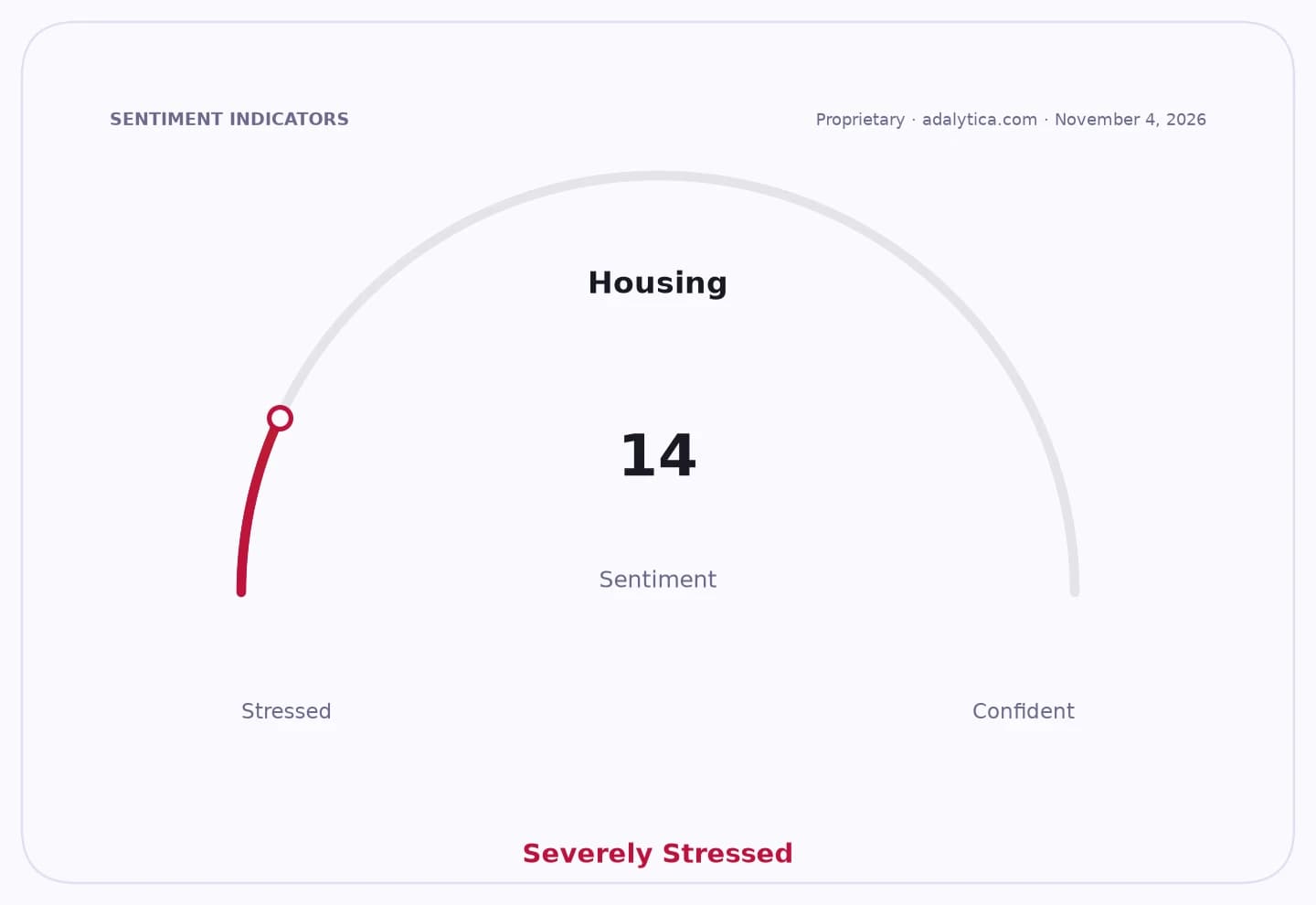
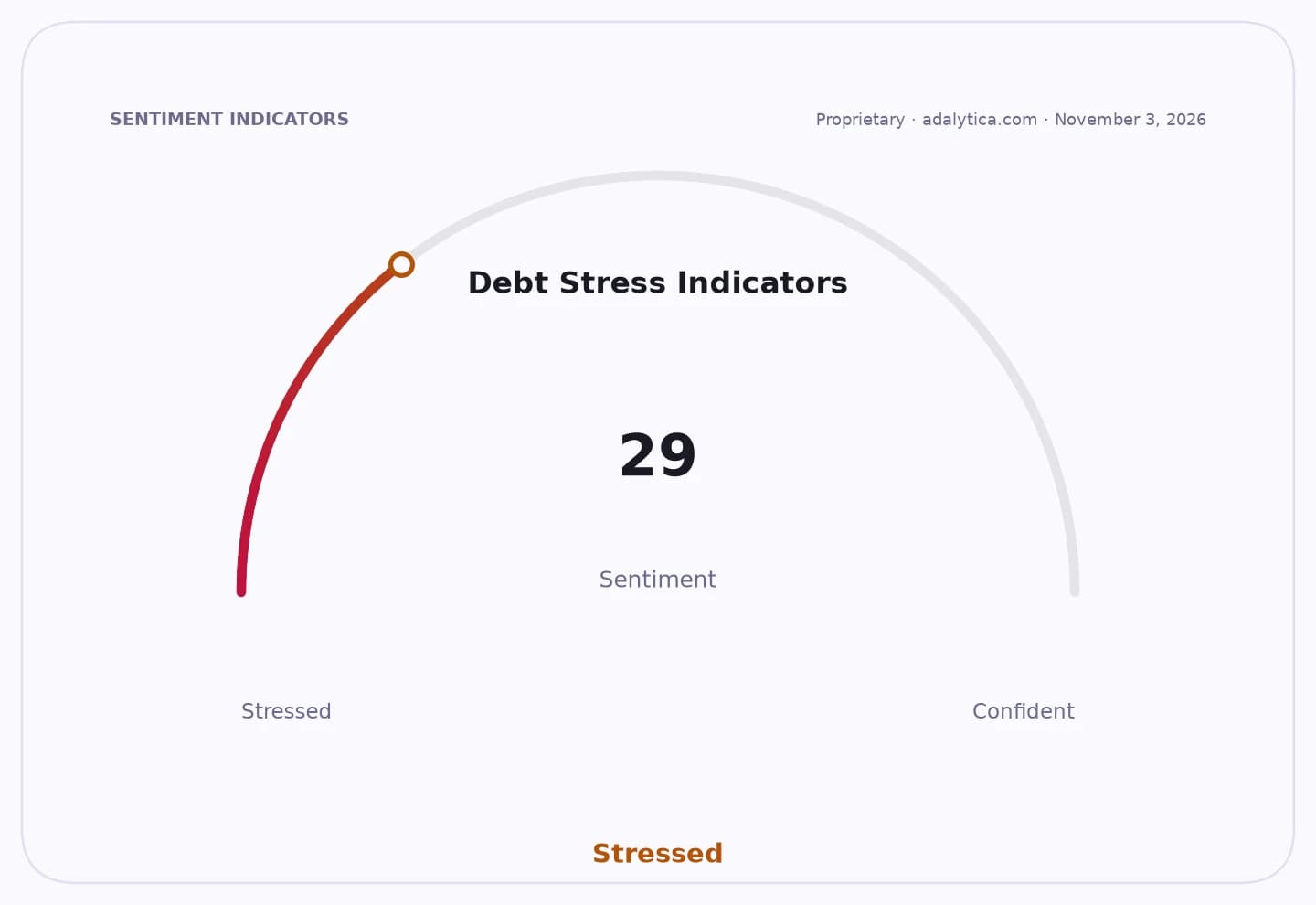
Sentiment Indicators
That income profile makes mortgage qualification difficult in a market where buyers need stable pay, a down payment and the ability to service debt for years. The TSS put average monthly income at 40,139 pesos, with private-sector workers earning 38,522 pesos and public employees 43,876 pesos.
The numbers point to a broader squeeze on household savings at a time when food, housing and other basic goods remain expensive. With 30.1% of registered workers in the public sector, the wage gap also highlights how dependent much of the labor force is on modest salaries that leave little room for wealth accumulation or property investment.
For investors, the affordability gap matters because it limits the depth of the local mortgage market and restrains demand in residential real estate, even as housing shortages persist. It also reinforces the need for affordable-housing financing, a theme that has been gaining traction across markets facing similar income and price imbalances.
| Entity | Gains | Losses |
|---|---|---|
| Low-income workers | ▲little immediate benefit | ▼homeownership access |
| Banks and mortgage lenders | ▲limited niche demand | ▼broader loan growth |
| Affordable housing developers | ▲policy attention | ▼middle-class buyers with weak purchasing power |
| Dominican renters | ▲stay housed without debt | ▼path to ownership |