Sherwin-Williams, Home Depot and Walmart powered a sharp rotation into the Dow Jones on Monday as falling oil prices and a better-than-expected US factory reading pushed investors out of technology and into consumer, industrial and housing names.
Dow Rotation Favors Sherwin, Home Depot, Walmart
Consumer Spending
The move matters because it shows money is not leaving equities — it is changing shape. A nearly 8% drop in Brent crude, combined with an ISM manufacturing index that rose to 55.5 and showed easing price pressure, gave markets a rare mix of cheaper input costs and sturdier growth. That is bullish for the old economy and awkward for the AI trade, where capital spending is becoming the central question.
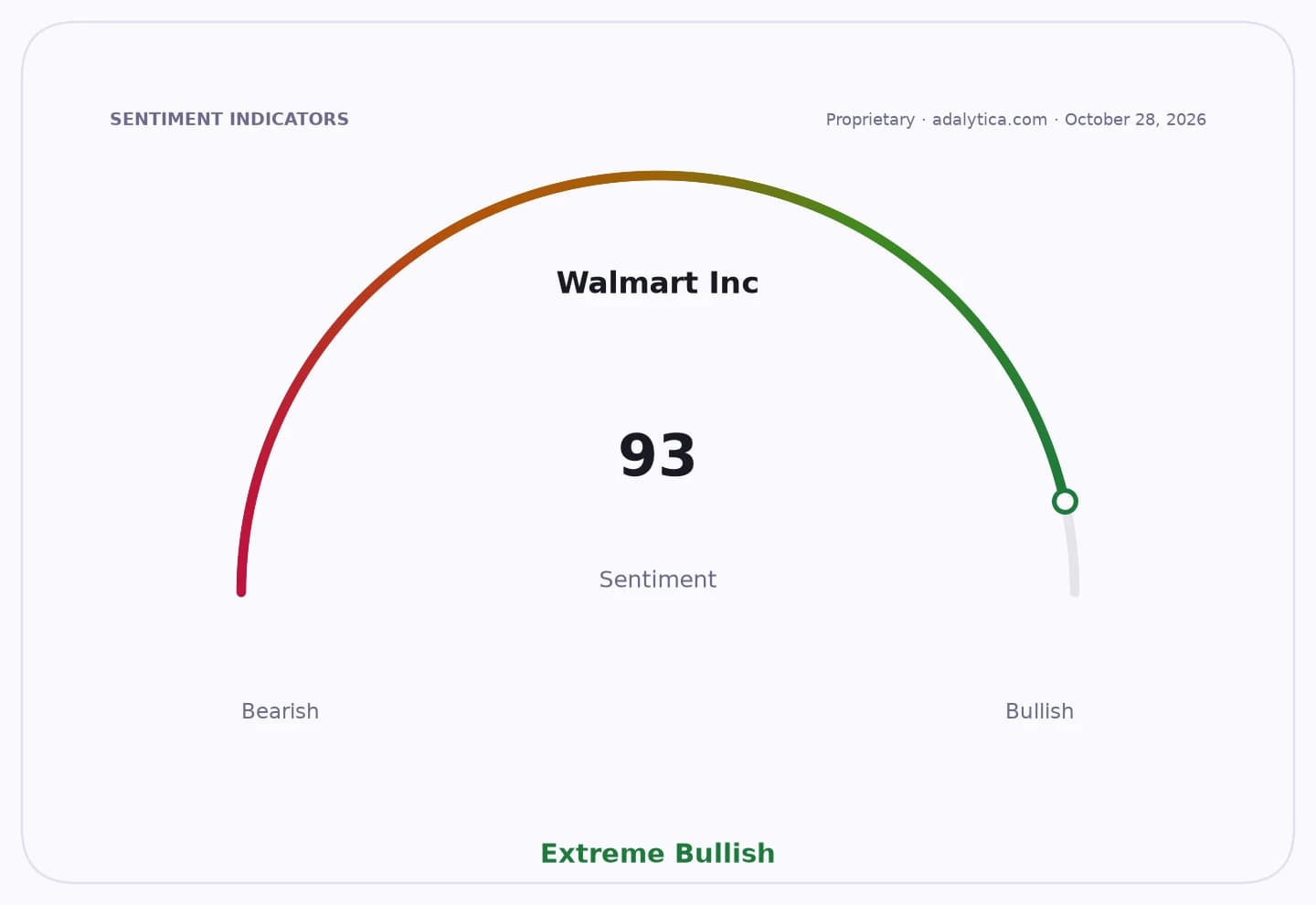
Sentiment Indicators
Consumer Spending
The Dow finished up 0.38% at 51,993, even as the Nasdaq fell 1.07% and the S&P 500 slipped 0.51%. Sherwin-Williams jumped 5.94% and by itself contributed more than 100 Dow points, while Home Depot rose 3.63% and Walmart gained 3.38%. Chevron fell 3.29% and Microsoft dropped 2.83%, underscoring the market’s split-screen view of lower energy costs and rising skepticism around tech mega-cap spending.
This is not just a one-day sector trade. It is a macro signal. Lower crude prices ease gasoline costs, improve household purchasing power and reduce pressure on freight, chemicals and construction inputs. That is why retailers, restaurants and industrials caught a bid. It is also why the market suddenly looks more comfortable owning blue-chip consumer names with pricing power and dividend support than richly valued growth stocks dependent on years of uninterrupted capital deployment.
Consumer Spending vs HDadalytica.com
Explore this data interactively — full history, time series and cross-market comparisons.
Sherwin-Williams was the cleanest expression of that trade. The paint maker benefits directly from lower raw-material and transportation costs, and its recent pricing actions mean cost relief can flow straight through to margins. Home Depot got the same tailwind through the housing channel, with investors betting that lower inflation and, eventually, lower mortgage rates can thaw a frozen remodeling and housing market. Walmart’s strength reflects a simple truth: cheaper fuel tends to land first in the wallets of lower- and middle-income consumers, who are Walmart’s core customer base.
The flip side is Chevron, where a lower oil price immediately compresses earnings expectations. Energy has been a major winner during periods of geopolitical tension, so a rapid reversal in crude invites profit-taking. Microsoft’s drop is more structural. The stock fell even after another strong quarter because investors are increasingly focused on the cost of AI infrastructure. Microsoft has already said it plans roughly $170 billion of capital spending in 2026, and its recent $25 billion bond sale only sharpened the market’s concern that the AI buildout is turning into a financing story as much as a growth story.
That tension is the real investment setup. The market is starting to reward companies that benefit from softer commodity costs and resilient consumer demand, while punishing names that need massive spending to sustain the next leg of growth. The winners are the “toll roads” of the real economy — paint, home improvement, discount retail, payments and select industrials — while the losers are the capital-intensive leaders of the prior trade, especially energy and big tech.
For investors, that creates a practical playbook. I believe the next leg of this rally favors quality old-economy franchises with visible cash flow, pricing power and direct leverage to lower input costs. Sherwin-Williams, Home Depot and Walmart are exactly the kind of stocks that can keep working if oil stays weak and bond yields stop climbing. By contrast, Microsoft and Chevron remain vulnerable to any further reassessment of AI capex returns or crude’s geopolitical premium.
The next catalyst arrives quickly: Apple’s results, the US election and the next round of labor and activity data will test whether this rotation has real legs. If inflation keeps easing and oil stays soft, the market may be entering a longer stretch where boring businesses beat the market’s favorite narratives.
| Entity | Gains | Losses |
|---|---|---|
| Sherwin-Williams | ▲lower input costs | ▼oil-linked cost inflation |
| Home Depot | ▲housing-rate optimism | ▼weak construction demand |
| Walmart | ▲fuel savings drive spending | ▼high-income trade-down hopes fade |
| Microsoft | ▲AI growth narrative | ▼capex and financing scrutiny |