East Jakarta’s food and agriculture office is encouraging residents to plant cassava and other staple alternatives alongside rice, a small but telling sign that Indonesia’s capital is widening its food-security playbook as pressure grows to make urban land produce more of what households actually eat.
East Jakarta Promotes Cassava and Other Staples
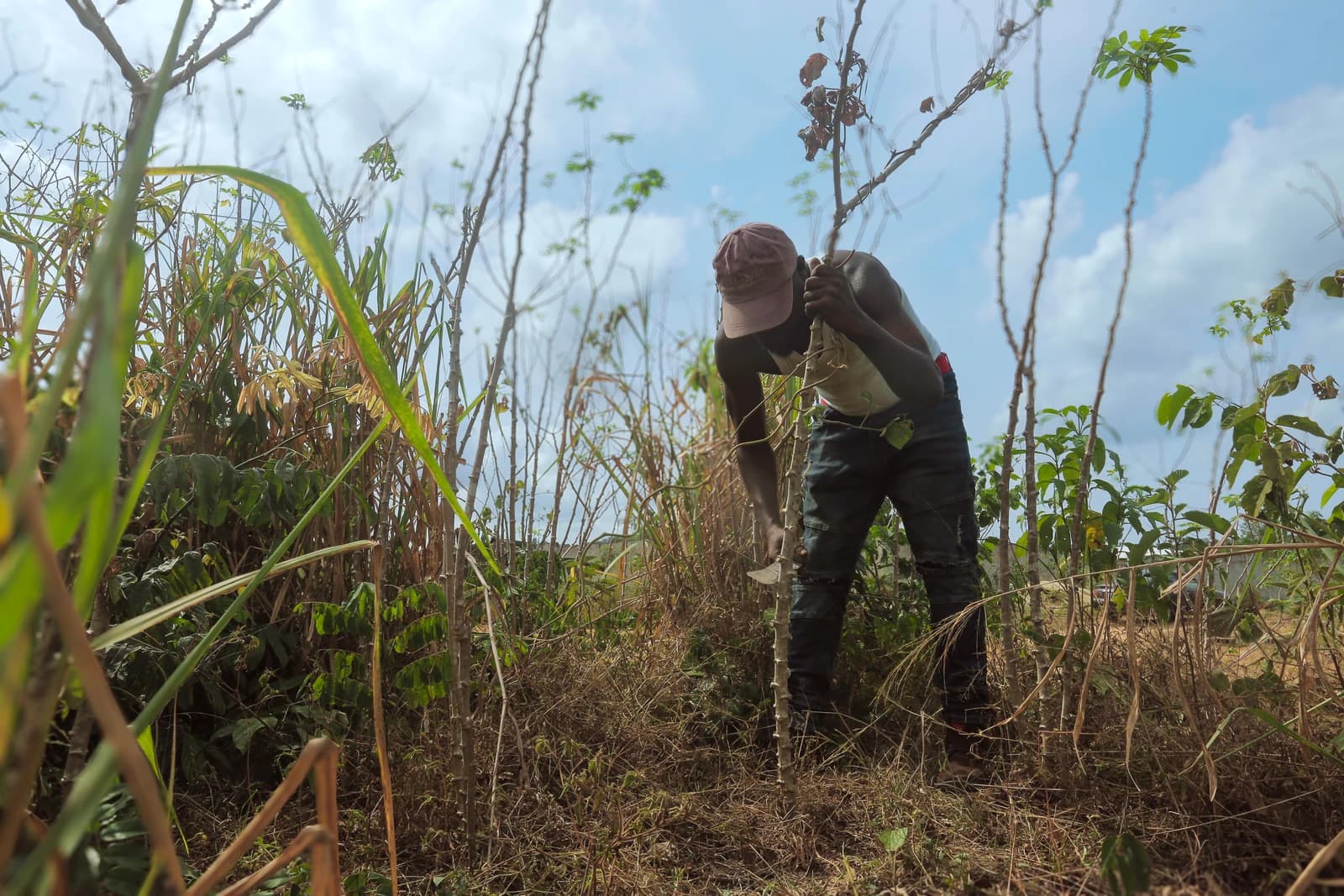
The move matters because Jakarta is not trying to become a rice powerhouse; it is trying to reduce dependence on a single crop and make better use of limited land. That is economically sensible in a city where space is scarce and food prices can quickly ripple through household budgets. By pushing cassava, corn, taro, pumpkin, banana and breadfruit, local officials are aiming for a more resilient buffer against supply shocks and a modest but meaningful boost to family consumption.
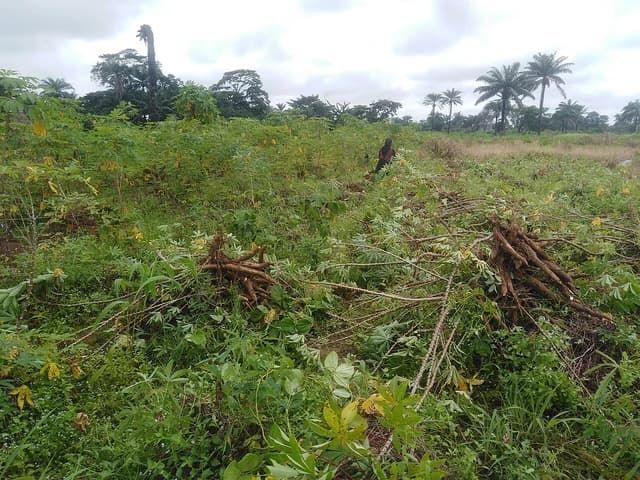
East Jakarta’s KPKP office said residents can use available land to grow “companion foods” to rice, part of a broader Jakarta food-security program backed by a provincial instruction on planting alternative staples for household resilience. The district is also framing the effort as a way to support family nutrition while squeezing more productivity out of idle plots, rooftops and neighborhood land.
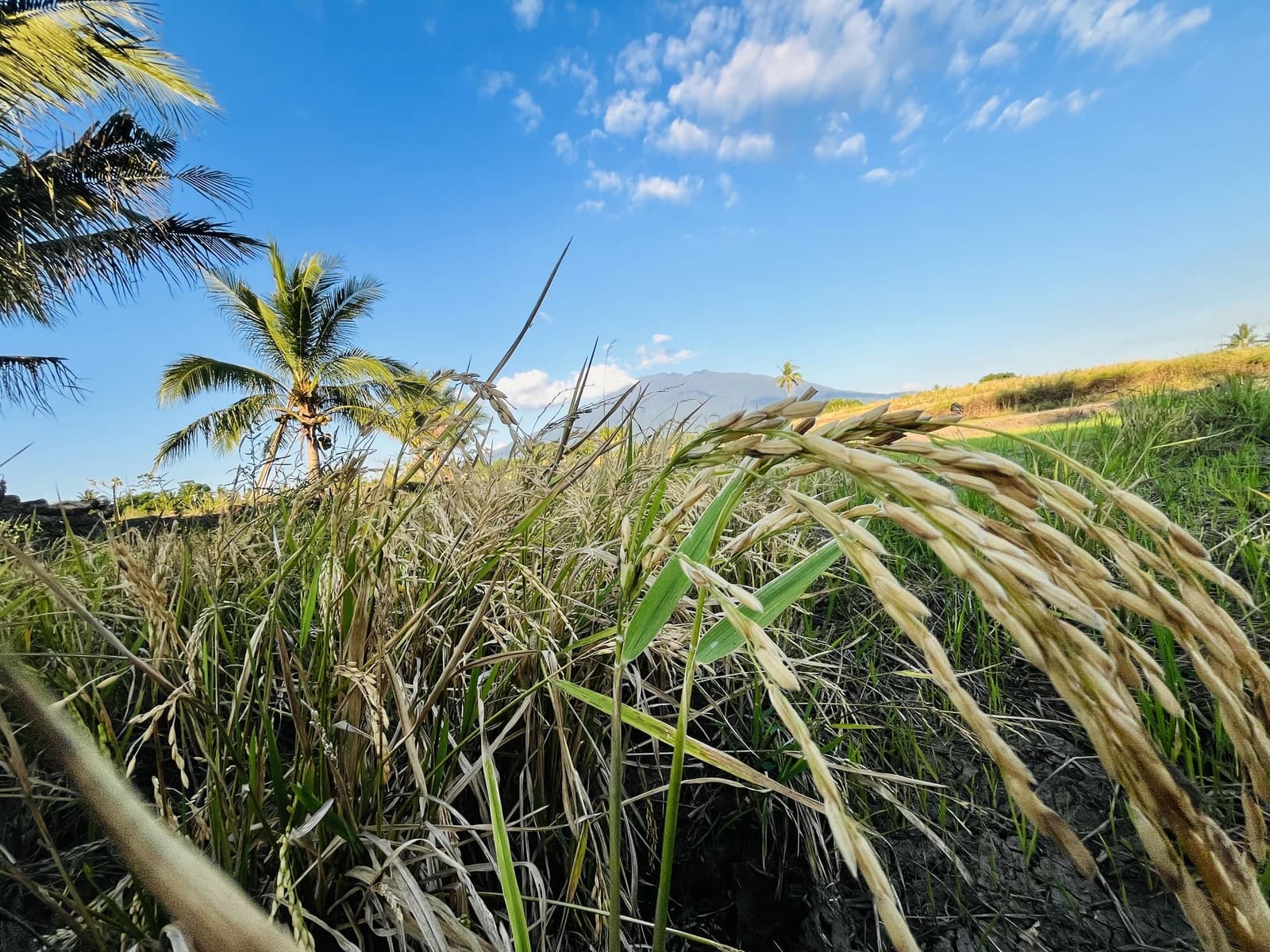
The idea is not just symbolic. Local officials highlighted a recent harvest in Cipinang Melayu that produced about 15 kilograms of cassava and 40 bunches of petai, a reminder that even small urban plots can contribute to daily needs. Earlier harvests in East Jakarta have also included rice, corn and vegetables, suggesting a steady push to normalize mixed planting rather than relying on one staple crop alone.
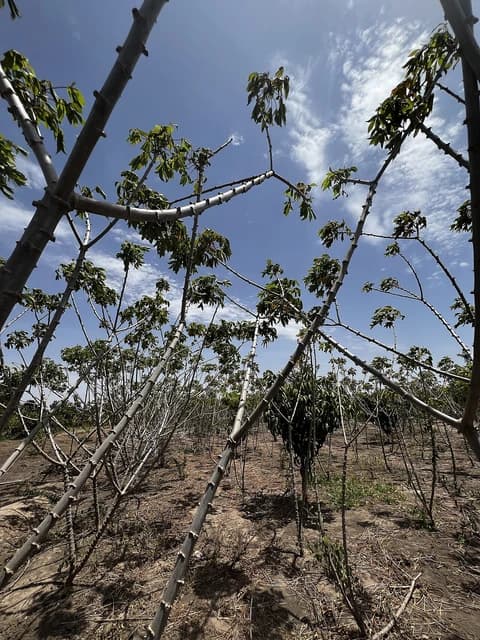
For investors, the story is less about one district’s harvest and more about the direction of policy. Governments across Indonesia are leaning harder into food resilience, and that can support demand over time for seeds, fertilizers, irrigation tools, farm inputs and small-scale agricultural services. It also underscores a broader theme that matters in emerging markets: food security is becoming an economic priority, not just a social one.
The bigger long-term takeaway is that diversification is becoming the new farming logic in urban and peri-urban areas. Cassava will not replace rice in Jakarta, but it does offer households a hardy, lower-maintenance crop that can help stretch budgets and improve nutrition. For investors, that makes the food-security push worth watching as part of a wider trend toward resilient agriculture and local supply chains.
| Entity | Gains | Losses |
|---|---|---|
| East Jakarta residents | ▲More food options | ▼Less idle land |
| Jakarta food security program | ▲Greater resilience | ▼Dependence on rice |
| Farm-input suppliers | ▲Higher demand | ▼None obvious |
| Rice-dependent consumers | ▲Broader staples access | ▼Less focus on rice-only policy |