The European Central Bank has opened a public vote on ten finalist designs for the next generation of euro banknotes, a symbolic but economically relevant step toward a 2027 rollout that will update the currency’s security and brand identity.
ECB Banknote Redesign Signals Cash Commitment

The redesign matters because euro cash remains a key payment rail across the 20-country currency bloc, especially for households, tourism and small businesses that still rely on physical money. A successful overhaul can help curb counterfeiting, refresh anti-fraud features and keep the currency aligned with modern production standards at a time when central banks are under pressure to defend trust in money itself.
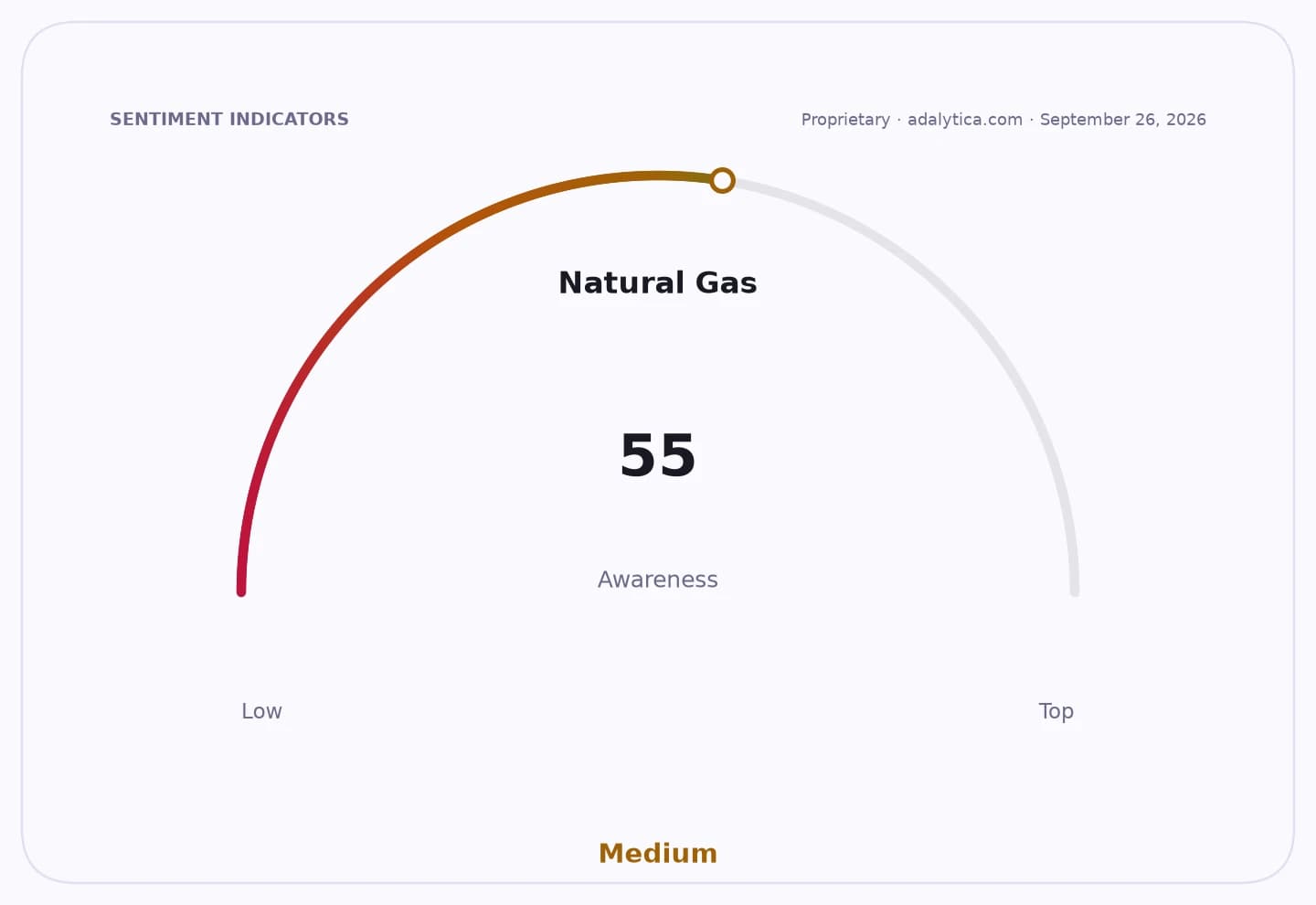
Sentiment IndicatorsⓘProprietary · adalytica.com · July 24, 2026
This is a snapshot — live sentiment, awareness and momentum for 130+ markets update continuously in the dashboard.Open AlphaPulse
The ECB is inviting citizens to vote on motifs through Sept. 21 before making a final design decision by year-end. The shortlist includes themes and figures intended to balance shared European identity with cultural recognition, with proposals featuring Leonardo da Vinci, Beethoven and Callas among the names tied to the new notes.
For investors, the move is not a market-moving policy shift on its own, but it is part of a broader ECB effort to modernize the euro system while keeping the currency relevant in an increasingly digital economy. The design process also underscores that the ECB is still invested in the visibility of cash even as card and mobile payments gain share, which matters for banks, payment firms and cash-handling businesses across Europe.
The euro itself is trading with a cautious tone in Adalytica’s Euro Trade Signals gauge, which shows “fear” at 30, while the FXE proxy for the currency has slipped back toward the mid-105 area after a brief recovery above its 50-day moving average earlier this year. The technical setup suggests investors remain more focused on rate expectations and growth than on banknote aesthetics, but the ECB’s latest move reinforces that the currency bloc is still shaping the euro’s long-term public image.
The next catalyst is the ECB’s year-end design decision and the timeline for implementation, which will determine how quickly the new notes move from concept to circulation and how much attention the overhaul gets outside central-bank circles.
| Entity | Gains | Losses |
|---|---|---|
| ECB | ▲Modernizes euro image | ▼Inherits rollout risk |
| Eurozone citizens | ▲Public voice in design | ▼No say on final choice |
| Cash users | ▲Stronger security features | ▼Face transition to new notes |
| Counterfeiters | ▲None | ▼Tougher anti-fraud design |