The European Central Bank has kicked off a public survey to help choose the next designs for euro banknotes, and while that may sound cosmetic, it matters because the new notes are really about trust, identity and the durability of Europe’s common currency.
ECB Euro Note Redesign Signals Institutional Confidence
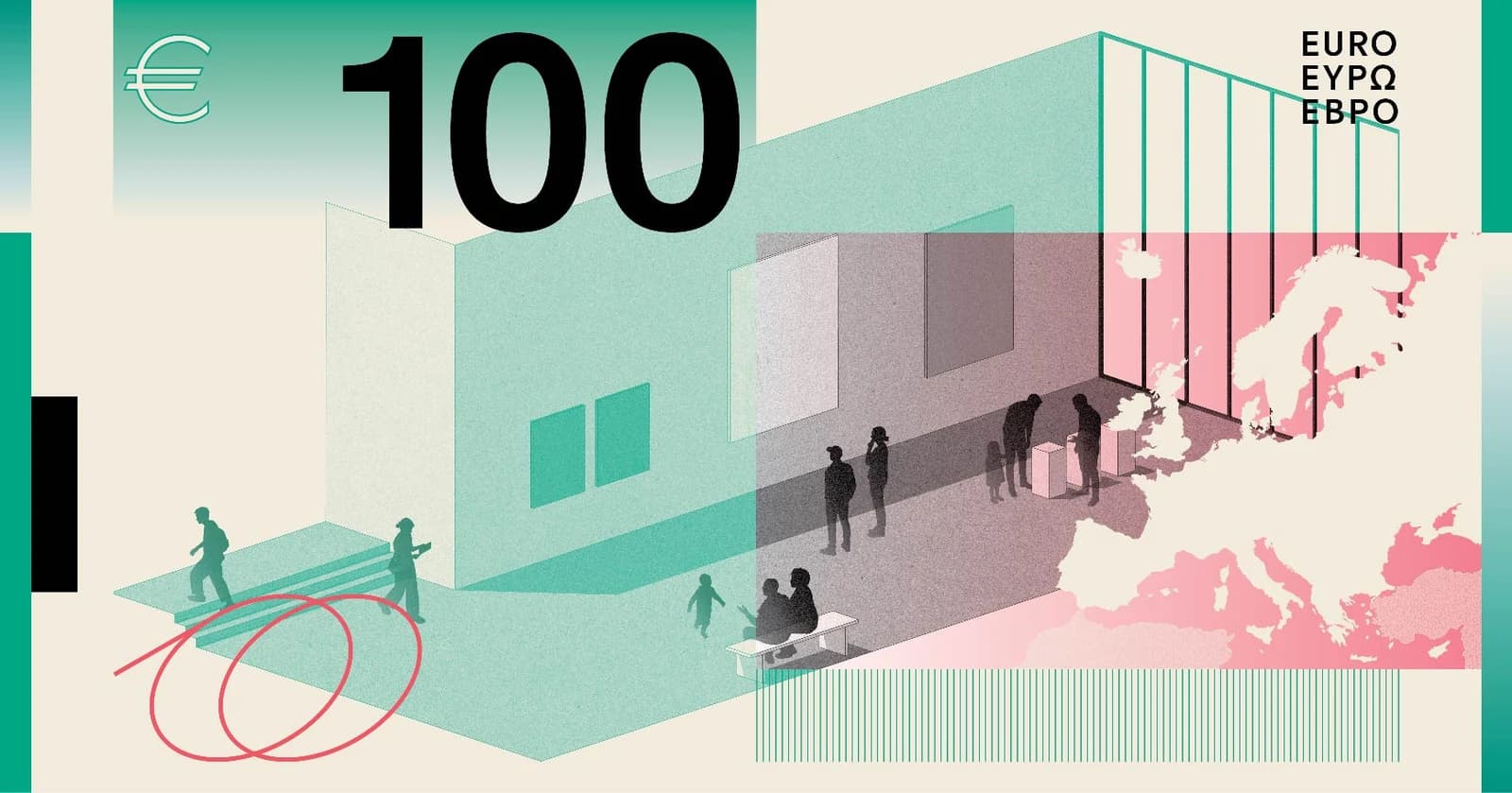
For investors, that is more than a design contest. A currency’s banknotes are one of the few symbols ordinary people still touch every day, and the ECB is using that visibility to refresh the euro’s image after more than two decades. If the redesign helps reinforce confidence in the single currency, that supports the broader story of eurozone stability at a time when Europe is trying to prove it can remain economically relevant and institutionally coherent.
Sentiment IndicatorsⓘProprietary · adalytica.com · July 25, 2026
This is a snapshot — live sentiment, awareness and momentum for 130+ markets update continuously in the dashboard.Open AlphaPulse

The ECB has said the finalist designs draw on themes such as culture, rivers and birds, underscoring a push to make the cash in circulation feel more distinctly European. It is also an attempt to modernize security features and keep the notes harder to counterfeit, which matters in practical terms for merchants, consumers and central banks alike. Better banknote design can reduce fraud, support cash usage and strengthen public acceptance of the currency across the bloc.
That may sound distant from markets, but the euro still has a real role in portfolios. FXE, which tracks the euro against the dollar, has been hovering around the mid-104 to mid-105 area recently, below its 50-day and 200-day moving averages. Conventional technical indicators show the fund’s RSI has cooled from overbought levels earlier this year, while MACD remains negative, suggesting the currency has not yet found a strong momentum breakout. In plain English: the euro is still fighting for conviction, and anything that supports long-term confidence in the bloc’s money matters at the margin.
Euro — 30-day sentimentadalytica.com
Explore this data interactively — full history, time series and cross-market comparisons.Open AlphaPulse

The deeper investment narrative is that Europe is trying to reinforce one of its most important economic assets: a currency that can command trust across 20 countries and hundreds of millions of people. That trust underpins everything from cross-border trade and savings to the pricing power of European banks and multinational companies. A new banknote series will not move the euro overnight, but it is part of the institutional maintenance that helps a currency endure.
There is also a political angle. By opening the choice of designs to the public, the ECB is signaling that the euro is not just a technocratic project from Frankfurt. It is trying to build a sense of ownership among citizens, which matters when trust in institutions can be fragile. For long-term investors, that kind of slow-burn legitimacy is often more important than a headline-grabbing policy move.
The vote runs until Sept. 21, 2026, and the final designs will then be selected for rollout. Investors should not expect a trading catalyst from the survey itself, but they should watch the broader message: the ECB is trying to refresh the euro’s face while quietly strengthening the currency’s foundations. That makes the story worth adding to the watchlist, especially for investors who think in years rather than days.
| Entity | Gains | Losses |
|---|---|---|
| ECB | ▲stronger euro identity | ▼little immediate market impact |
| Eurozone citizens | ▲fresher, safer banknotes | ▼no direct downside |
| Merchants and banks | ▲better anti-counterfeit features | ▼redesign costs |
| FXE euro bulls | ▲symbolic support for confidence | ▼short-term traders waiting for momentum |