Ecuador’s lenders have yet to open a formal refinancing line for clients hit by El Niño, leaving households and businesses exposed even as the shock to crops, transport and cash flow builds and a relief mechanism already exists in the rulebook.
Ecuador lenders delay El Niño refinancing support

That gap matters because the banking system is usually the first absorber of climate and weather damage in an emerging economy: it can smooth temporary losses for borrowers, prevent a wave of defaults and limit spillovers into employment, local consumption and loan quality. In Ecuador’s case, the mechanism has been on the books since 2020, but the banking board has not activated it for this episode, so support remains discretionary and uneven rather than system-wide.
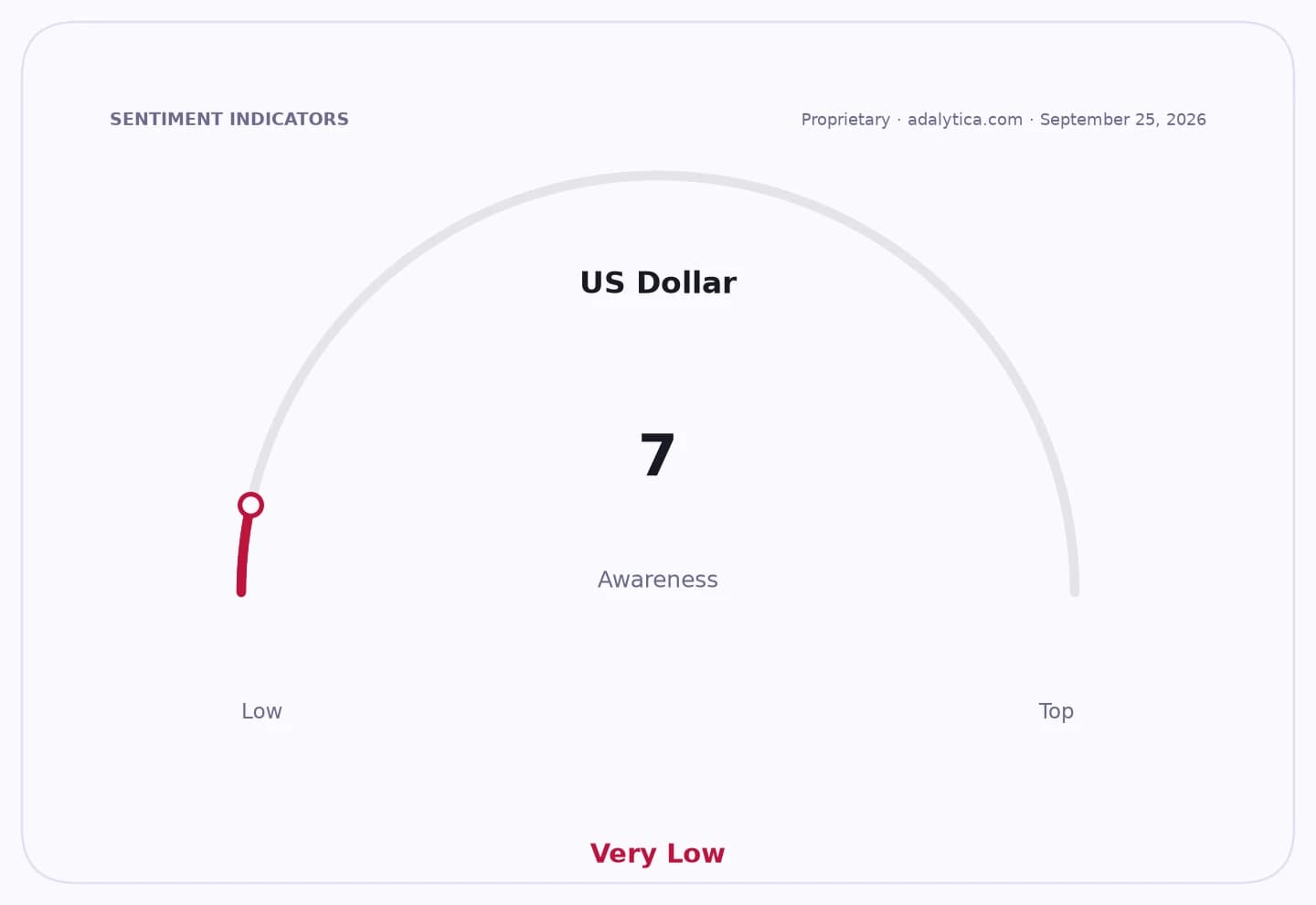
Sentiment IndicatorsⓘProprietary · adalytica.com · August 31, 2026
This is a snapshot — live sentiment, awareness and momentum for 130+ markets update continuously in the dashboard.Open AlphaPulse
For borrowers, the delay raises the risk that short-term liquidity problems turn into longer-term credit stress. Small firms in affected regions are often the least able to wait for policy clarity, while banks have to decide whether to restructure loans individually, tighten underwriting or hold back lending until losses are better quantified. That uncertainty can amplify the economic hit from El Niño, especially in sectors tied to agriculture, logistics, retail and informal income streams.
For investors, the issue is less about immediate market pricing than about credit risk and regulatory credibility. A synchronized refinancing program would typically support asset quality by extending maturities and reducing delinquencies. Without it, banks face a more fragmented response and potentially higher provisions if weather damage feeds into arrears. The country’s broader financial backdrop is already sensitive: regulators have been leaning harder on supervision after identifying 127 “ghost entities” operating between 2025 and 2026, a reminder that confidence in the system depends on both enforcement and timely crisis tools.
The narrative is therefore not simply that El Niño is hurting Ecuador. It is that the country has a pre-existing policy instrument for disaster-driven loan relief, but has not yet turned it on, forcing banks to manage the shock loan by loan. Until authorities decide whether to activate the refinancing framework, the economic cost of the weather event is likely to show up first in borrower stress and only later in bank balance sheets.
| Entity | Gains | Losses |
|---|---|---|
| Affected borrowers | ▲Debt relief, slower arrears buildup | ▼Higher near-term payment stress |
| Banks | ▲Chance to limit defaults if activated | ▼Higher credit risk, more case-by-case work |
| Regulators | ▲Flexibility to calibrate response | ▼Credibility risk from delayed action |
| Ecuador economy | ▲Less damage if refinancing expands | ▼Weaker credit flow and local demand |