Egypt’s central bank is set to auction 100 billion pounds ($2.1 billion) of treasury bills this week on behalf of the finance ministry, underscoring the government’s reliance on short-term domestic borrowing to cover budget funding needs and debt rollovers.
Egypt Central Bank Sells 100 Billion Pounds in T-bills
The offering, scheduled for Sunday, is split between 30 billion pounds of three-month bills and 70 billion pounds of nine-month paper. Treasury bills are one of the state’s main short-term financing tools, used to raise cash for public spending and meet maturing obligations.
The size of the auction matters because it comes as Egypt continues to lean on local-currency debt markets to manage pressure on public finances. Heavy bill issuance can help bridge near-term funding gaps, but it also keeps the state exposed to refinancing risk if investor demand weakens or borrowing costs rise further.
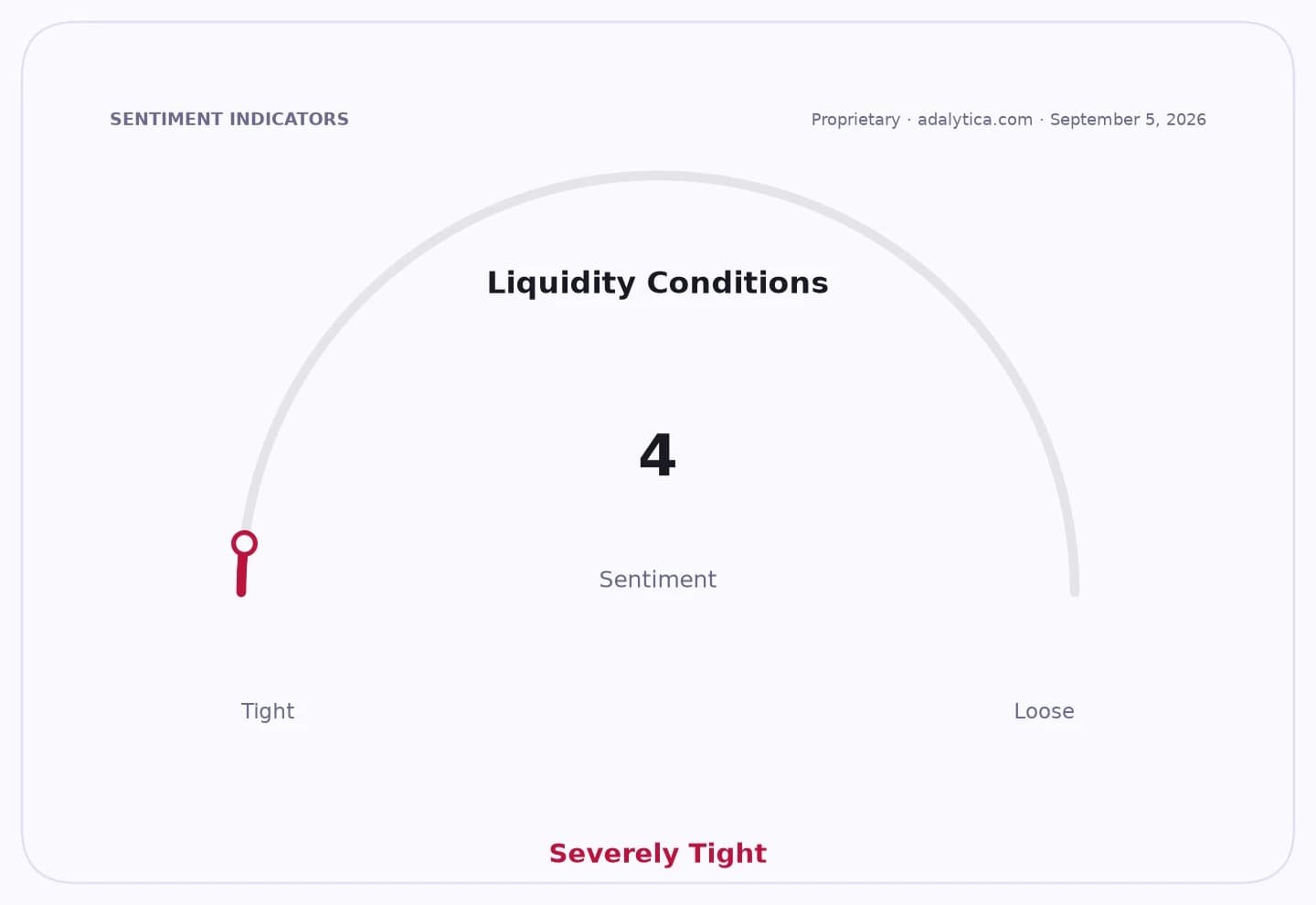
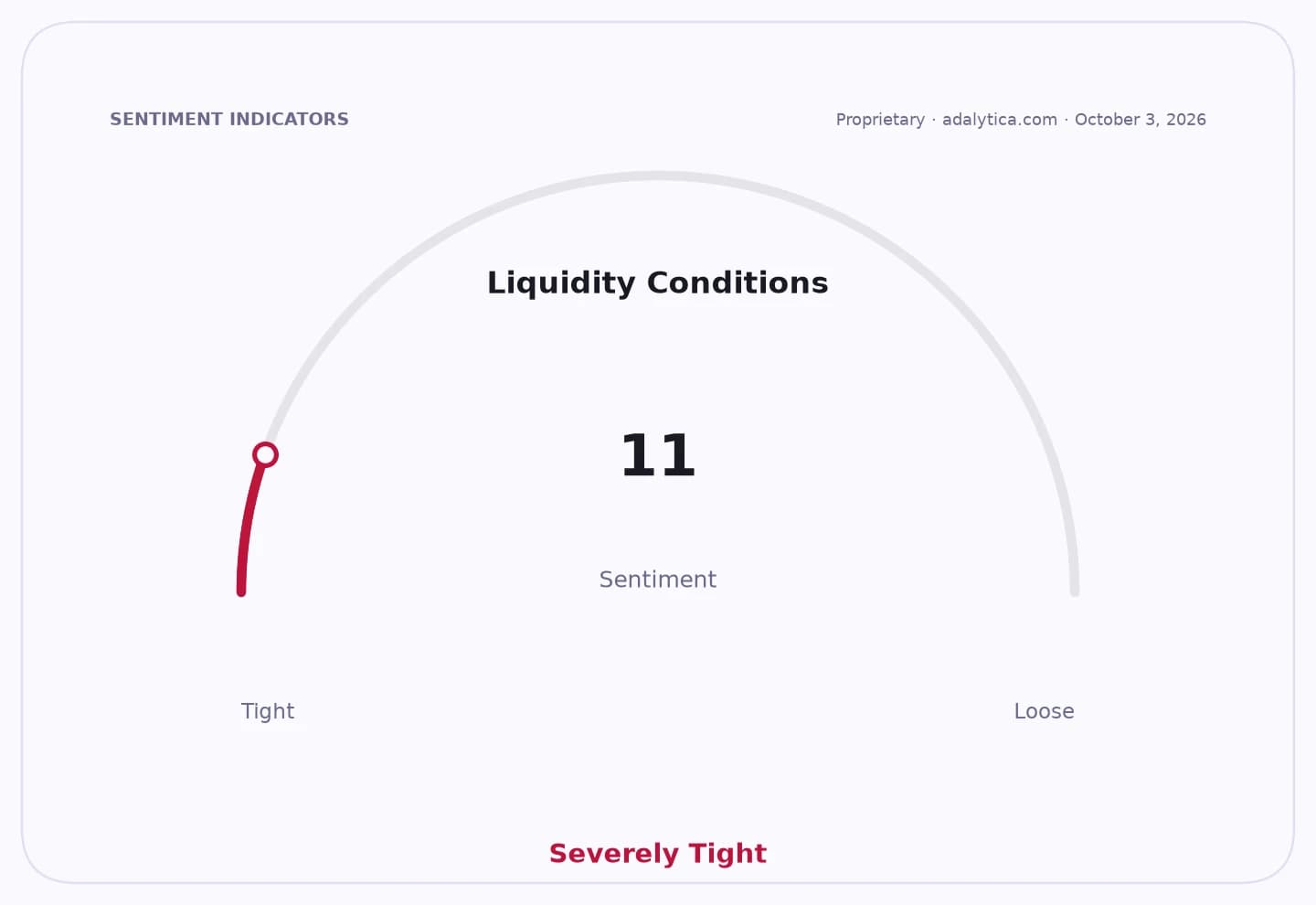
For investors, the auction is a direct read on liquidity conditions in Egypt’s banking system and on appetite for sovereign debt at a time when the pound has been under strain. Demand and pricing at the sale will be watched for clues on how much yield the market is demanding to absorb government paper, especially across the three-month and nine-month tenors.
The broader backdrop remains tight, with markets sensitive to rising borrowing costs and the government’s need to fund the budget while meeting existing obligations. Any sign that investors are demanding higher returns to hold Egyptian bills would add to financing pressure, while strong demand would suggest banks still have room to absorb more sovereign debt.
The next catalyst is the auction result, which will show whether the market can comfortably take down the full 100 billion pounds or whether the Treasury will have to pay up to place the debt.
| Entity | Gains | Losses |
|---|---|---|
| Egyptian government | ▲Near-term funding | ▼Higher rollover burden |
| Local banks | ▲Short-dated yield | ▼Liquidity tied up in bills |
| Bill buyers | ▲Government-backed return | ▼Inflation and FX risk |
| Existing debt holders | ▲Potential market support | ▼More sovereign supply |