Egypt has confirmed there will be no immediate increase in electricity tariffs for households using less than 1,000 kilowatt-hours, preserving August bills and delaying a cost shock for consumers already facing broader inflation pressures.
Egypt keeps household electricity tariffs unchanged in August
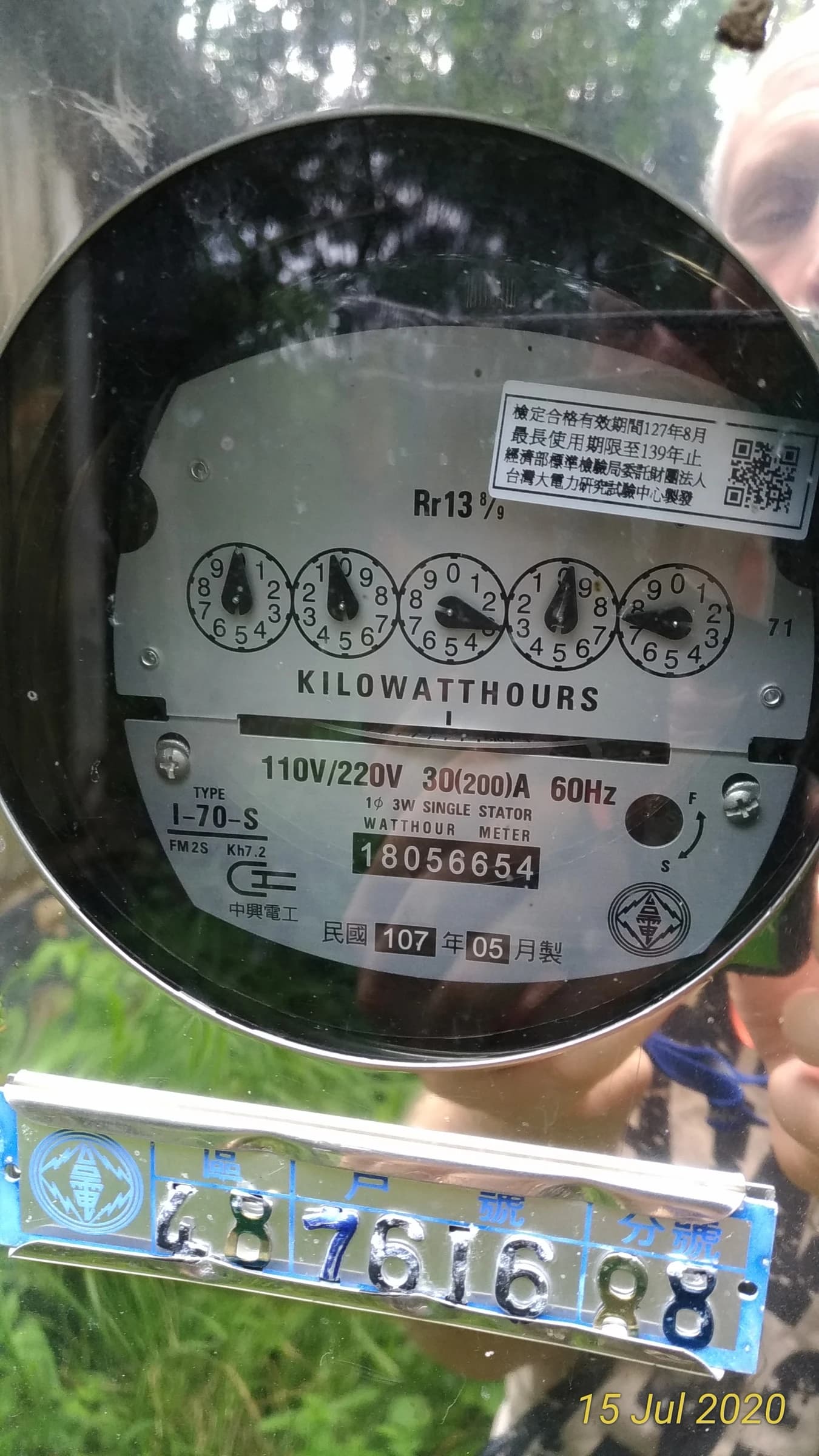
That matters because electricity is a core household expense and a politically sensitive one. Holding rates steady caps a near-term rise in living costs, supports disposable income and reduces the risk of another inflationary impulse at a time when families are still absorbing higher prices for food, transport and other essentials.
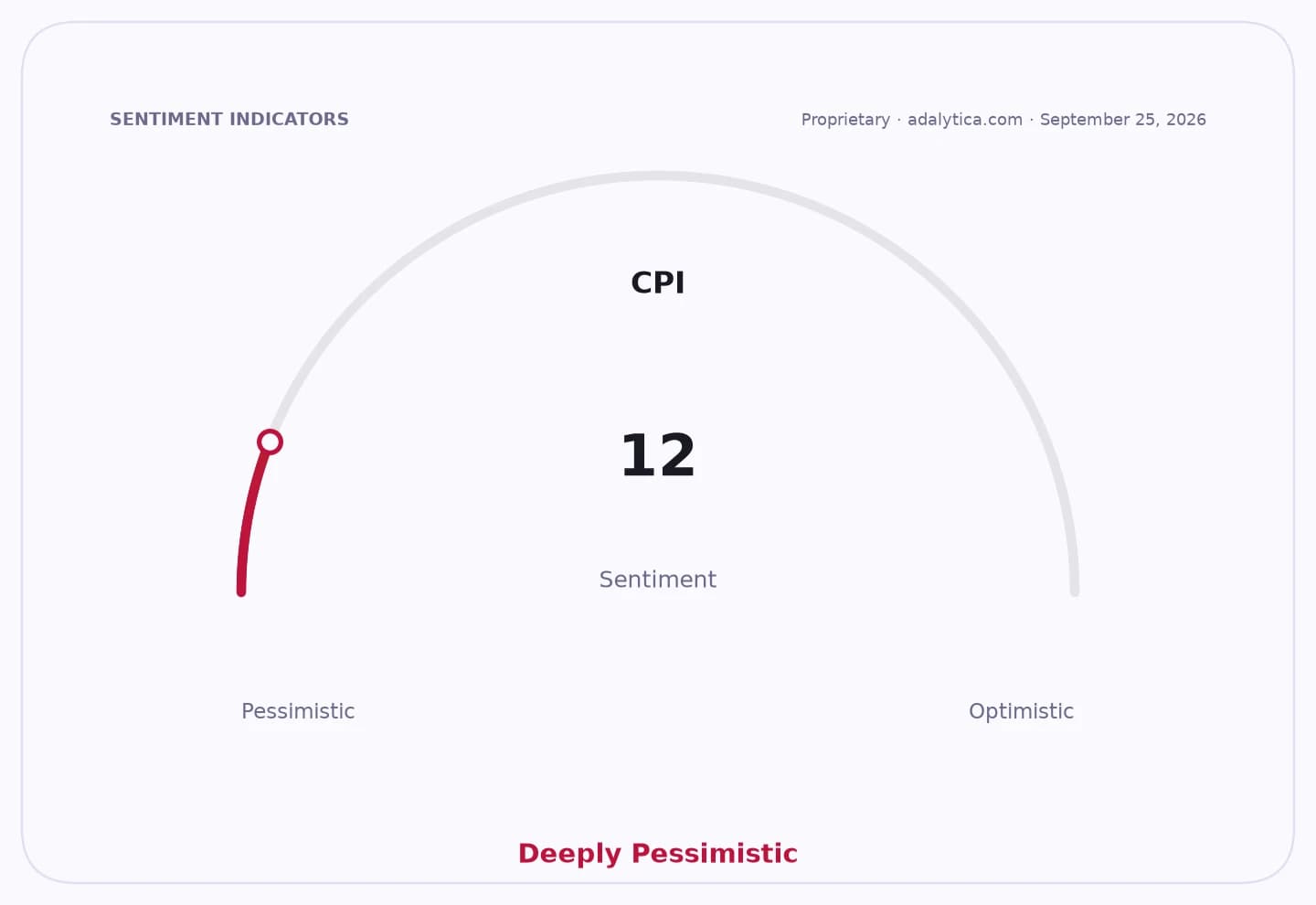
Sentiment IndicatorsⓘProprietary · adalytica.com · August 1, 2026
This is a snapshot — live sentiment, awareness and momentum for 130+ markets update continuously in the dashboard.Open AlphaPulse
For the government, the decision also signals a preference for social stability over faster tariff reform. Egypt has been under pressure to balance the financial needs of its power sector with affordability, particularly as fuel, financing and maintenance costs remain elevated. By keeping tariffs unchanged for the lowest-usage bracket, authorities are effectively subsidizing demand at the retail level while buying time to pursue broader energy-sector adjustments.
The move has a different implication for investors and creditors. It suggests the state is still willing to absorb part of the sector’s cost burden, which can be positive for near-term consumer sentiment but may limit the speed at which utilities and the sovereign can push through margin repair. For power-linked businesses, the absence of an immediate price hike reduces regulatory uncertainty in the short run, but it also leaves open the question of how and when costs will be recovered.
In market terms, the announcement is more notable for what it postpones than for what it changes. Energy tariff resets in emerging markets often feed directly into headline inflation, utility cash flow and fiscal planning. A delay can be supportive for domestic demand and reduce pressure on consumer-facing sectors, yet it can also mean the underlying imbalance in the electricity system remains unresolved.
The broader narrative is one of managed pricing. Rather than pass through higher costs immediately, Egypt is choosing to protect households first and deal with sector economics later. That approach may help keep consumption stable into August, but it leaves investors watching for the next reform step, especially if fiscal strains or energy costs force a more abrupt adjustment further down the line.
| Entity | Gains | Losses |
|---|---|---|
| Egyptian households | ▲Lower August bills | ▼Less incentive for efficiency |
| Government | ▲Short-term social stability | ▼Delayed tariff reform |
| Electricity sector | ▲Political support | ▼Slower cost recovery |
| Inflation-sensitive consumers | ▲Relief from higher utility costs | ▼None immediately |