The IMF’s latest review of Egypt has sharpened the market’s focus on a fragile but improving macro story: stronger growth prospects, easing inflation and a narrower current-account gap, all backed by a $1.8 billion disbursement that signals the program remains intact despite regional volatility.
Egypt IMF review brings $1.8 billion disbursement

That matters because Egypt is still one of the Middle East’s most consequential emerging markets, with its recovery tied to foreign-currency liquidity, debt sustainability and the government’s ability to keep reform momentum alive. The IMF’s endorsement gives Cairo a near-term funding boost and helps underpin confidence that the country can navigate external shocks without a return to the kind of balance-of-payments stress that has repeatedly forced policy tightening.
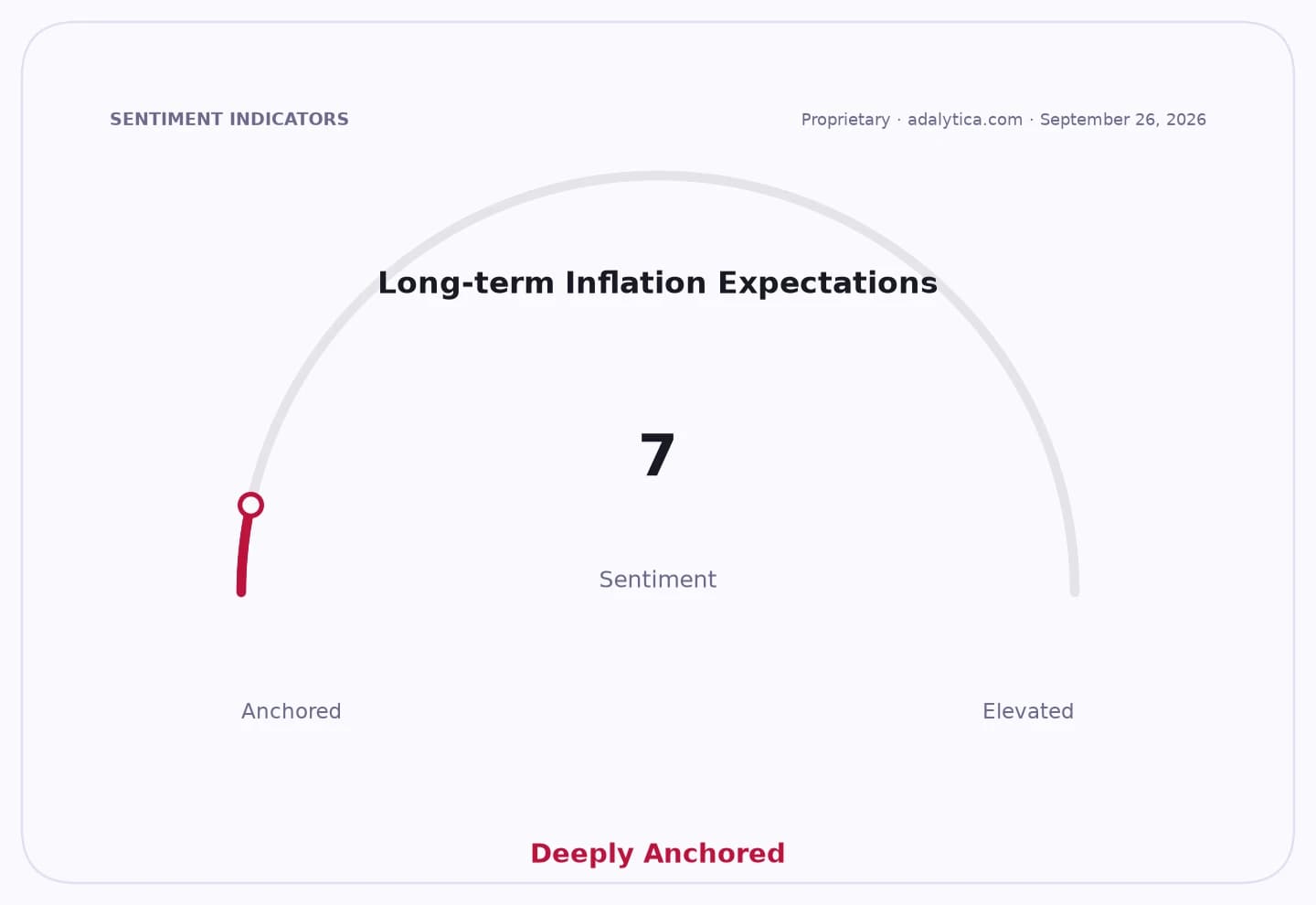
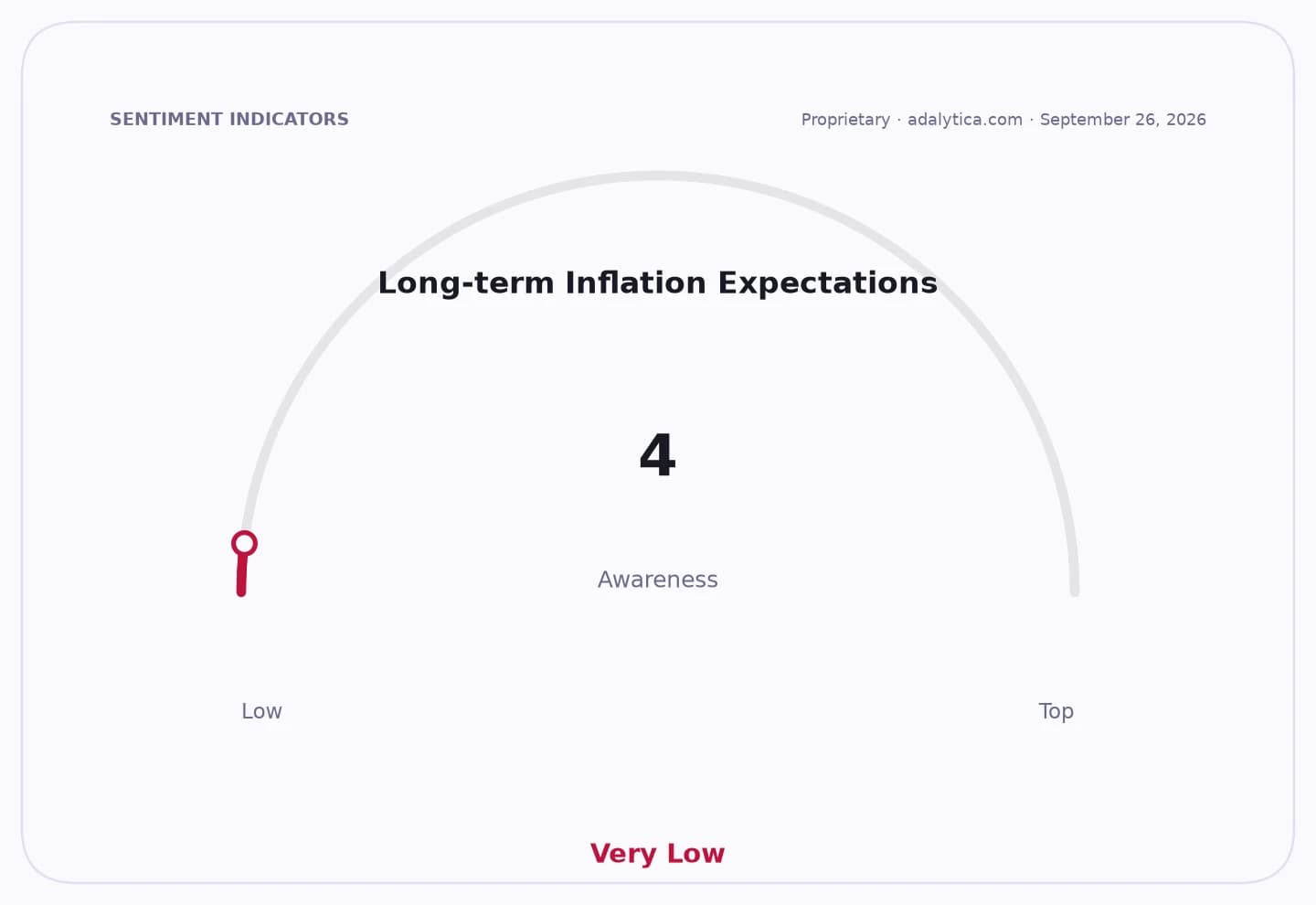
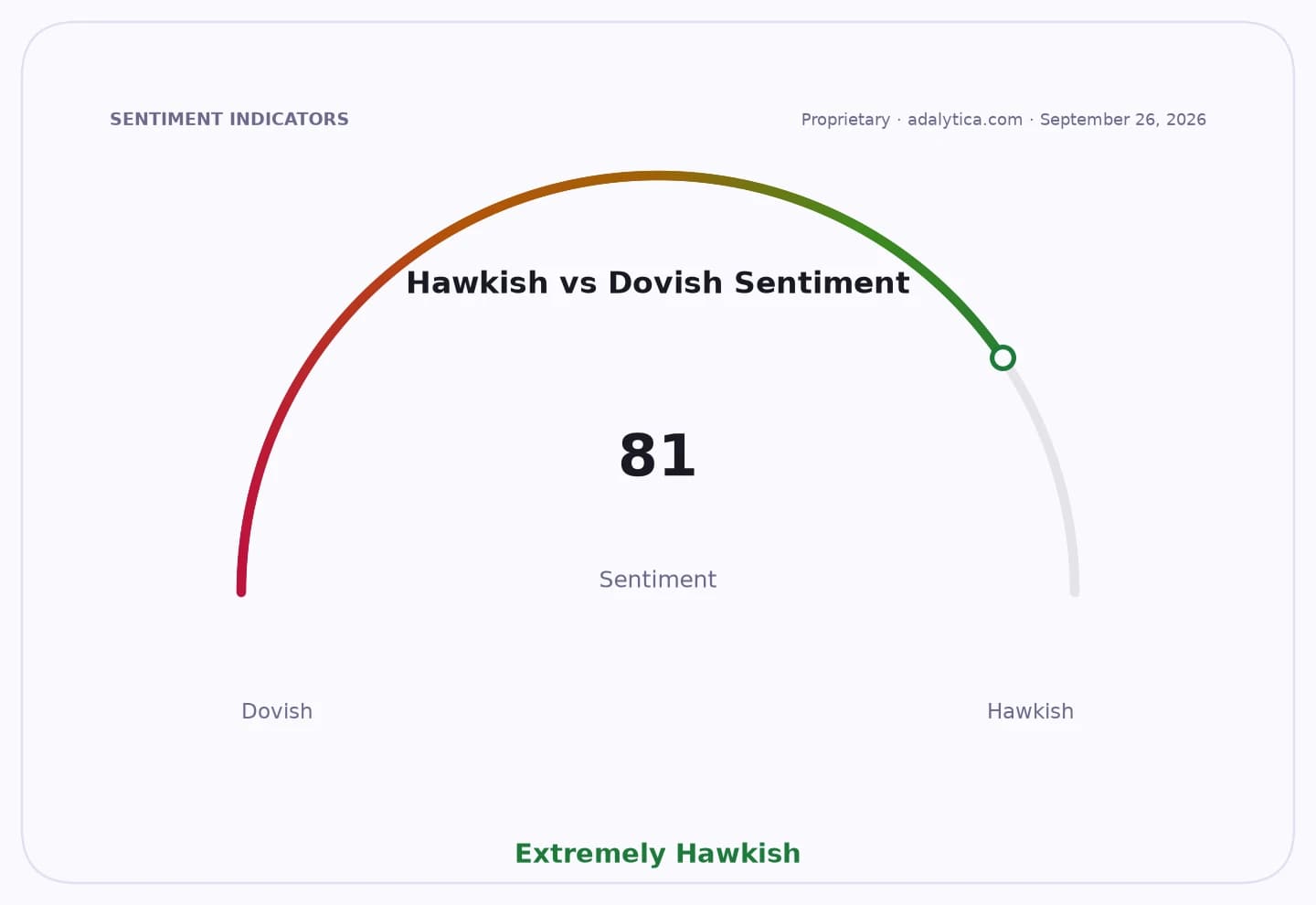
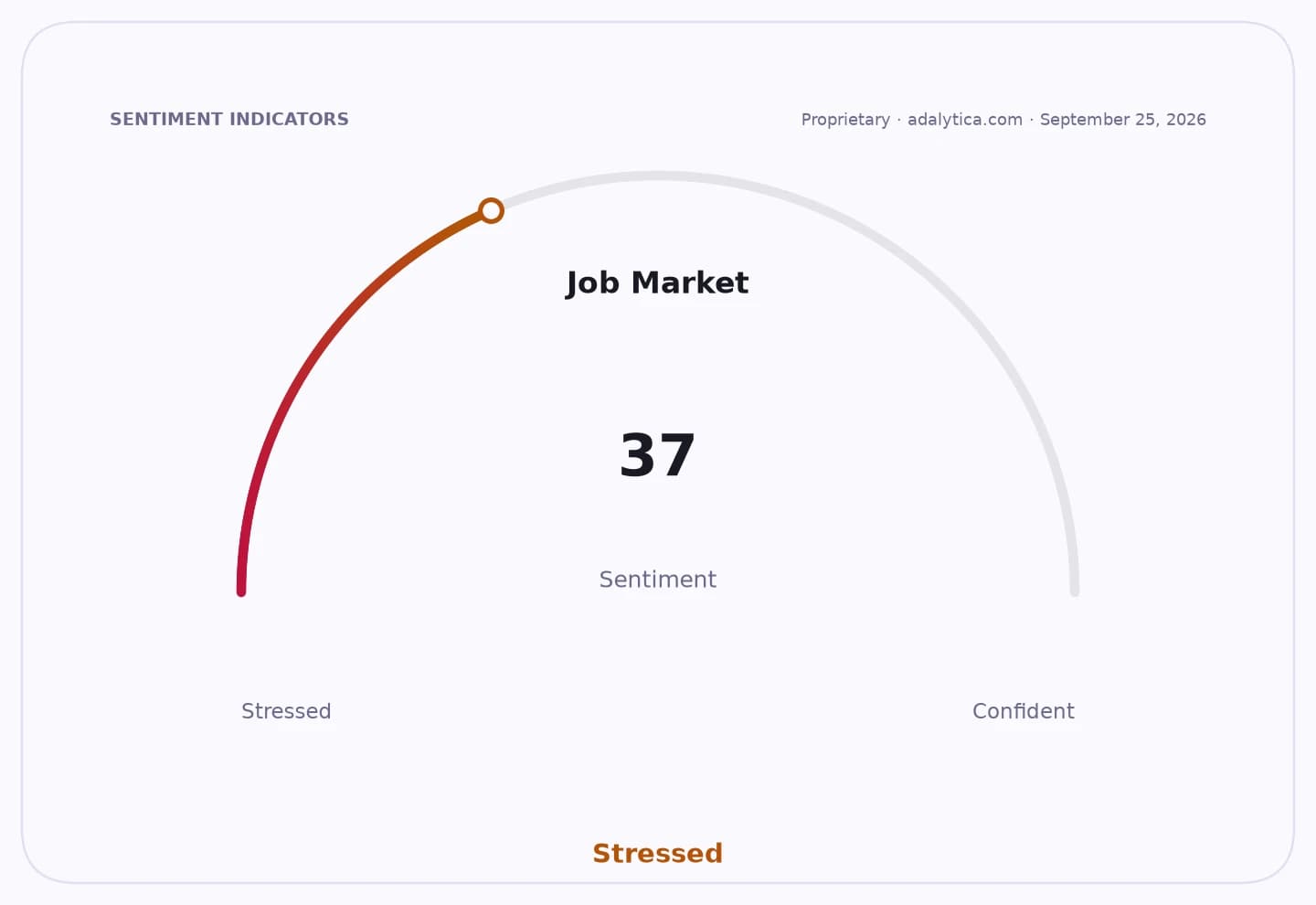
Sentiment IndicatorsⓘProprietary · adalytica.com · July 31, 2026
This is a snapshot — live sentiment, awareness and momentum for 130+ markets update continuously in the dashboard.Open AlphaPulse
Prime Minister Mostafa Madbouly framed the review as evidence that Egypt has passed its most difficult phase, and in one sense that is the key message for investors: the macro trajectory is better than it was a year ago. The IMF’s assessment points to firmer growth, lower inflation and a current-account deficit that is expected to improve, all of which would ease pressure on the pound, reduce import costs and make Egypt less dependent on emergency financing.
But the fund’s backing is not the same as a clean bill of health. The IMF continues to press for faster reforms, particularly measures that can reduce public-sector dominance, broaden the tax base and curb debt accumulation. For bondholders and equity investors alike, that is the difference between a stabilization trade and a durable rerating. Egypt can attract capital when confidence returns; sustaining it requires a path to higher productivity and a more credible external position.
The broader macro context still cuts both ways. Regional tensions in the Middle East remain a persistent risk, and Egypt is exposed to trade disruption, higher energy costs and swings in tourism and remittance inflows. At the same time, the program’s apparent progress is reinforcing the view that Cairo has more policy room than it did during earlier bouts of currency stress. That should help local assets at the margin, particularly if it supports further disinflation and reduces expectations of abrupt policy moves.
For investors, the central question is whether the IMF review marks a turning point or just another pause in a long adjustment cycle. Bullish case: reform compliance improves, external financing stabilizes and growth accelerates enough to bring down debt ratios. Bearish case: reform fatigue, lingering inflation and geopolitical shocks keep the economy vulnerable, forcing the government back into crisis management. The next catalyst will be whether Egypt can turn this IMF endorsement into sustained implementation rather than a temporary lift.
| Entity | Gains | Losses |
|---|---|---|
| Egypt government | ▲IMF funding; near-term confidence | ▼More pressure to reform |
| IMF | ▲Program credibility | ▼Exposure if reforms stall |
| Bondholders | ▲Better repayment optics | ▼Still face sovereign risk |
| Importers / consumers | ▲Easier inflation path | ▼Vulnerable to external shocks |