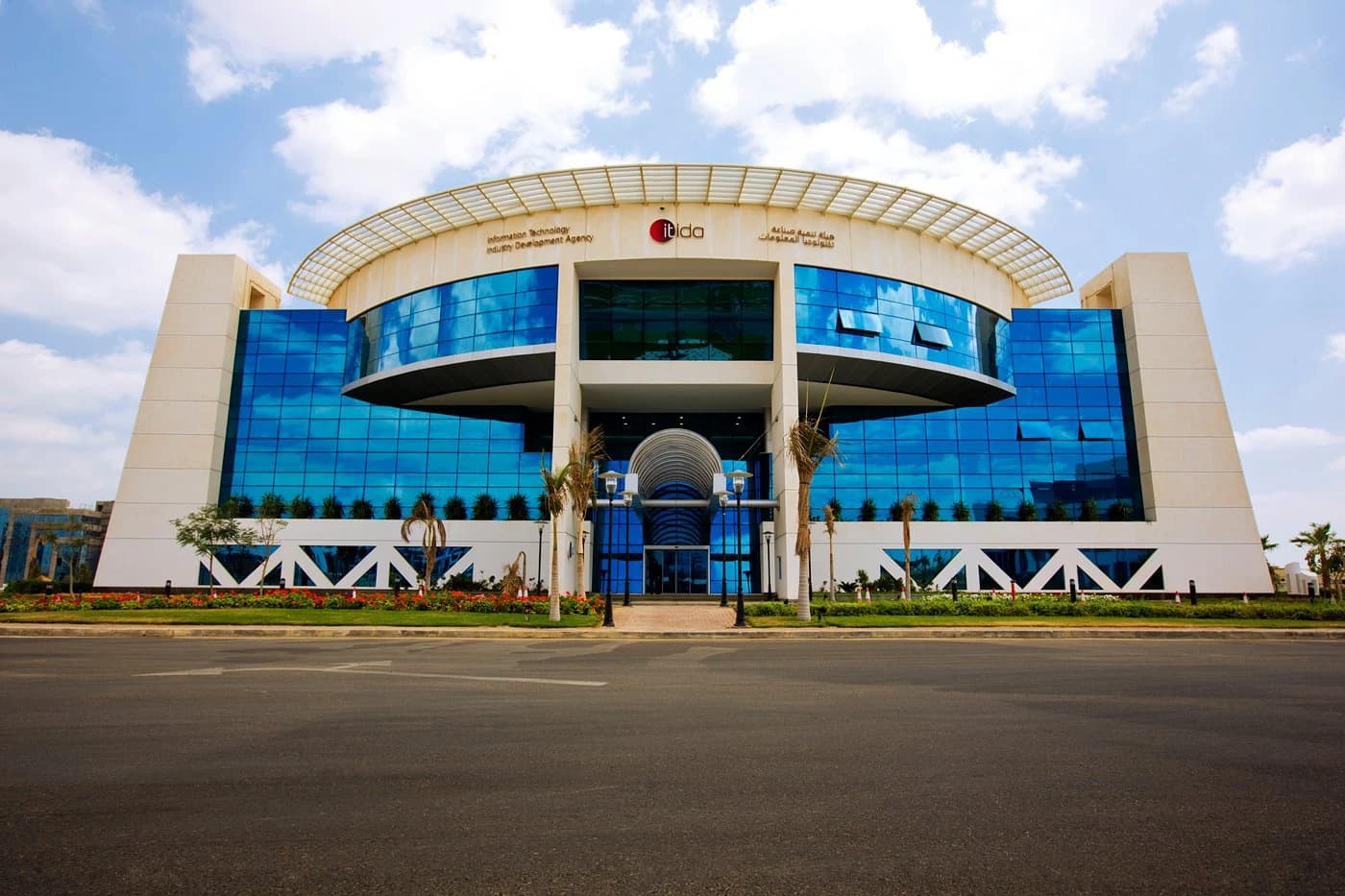
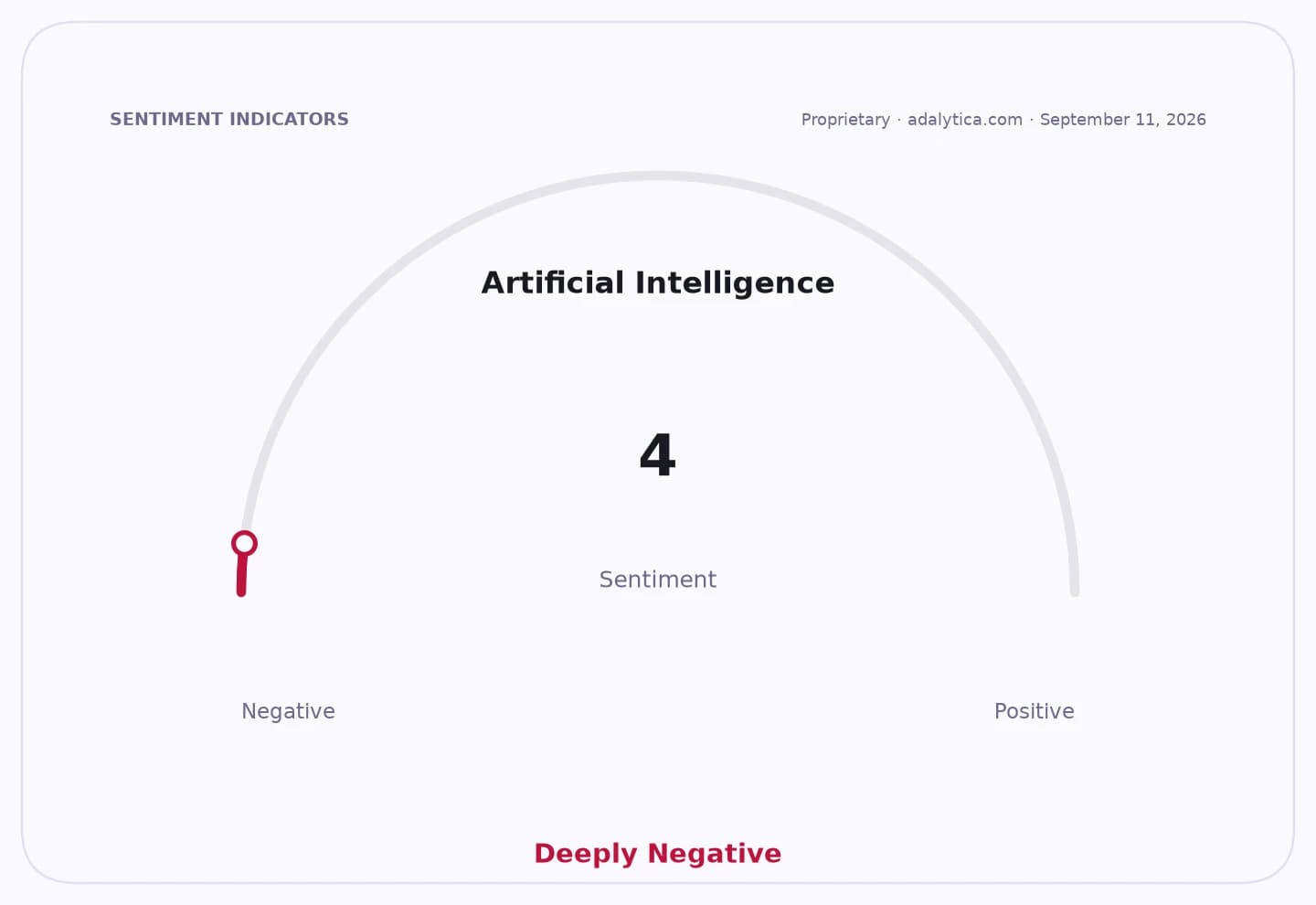
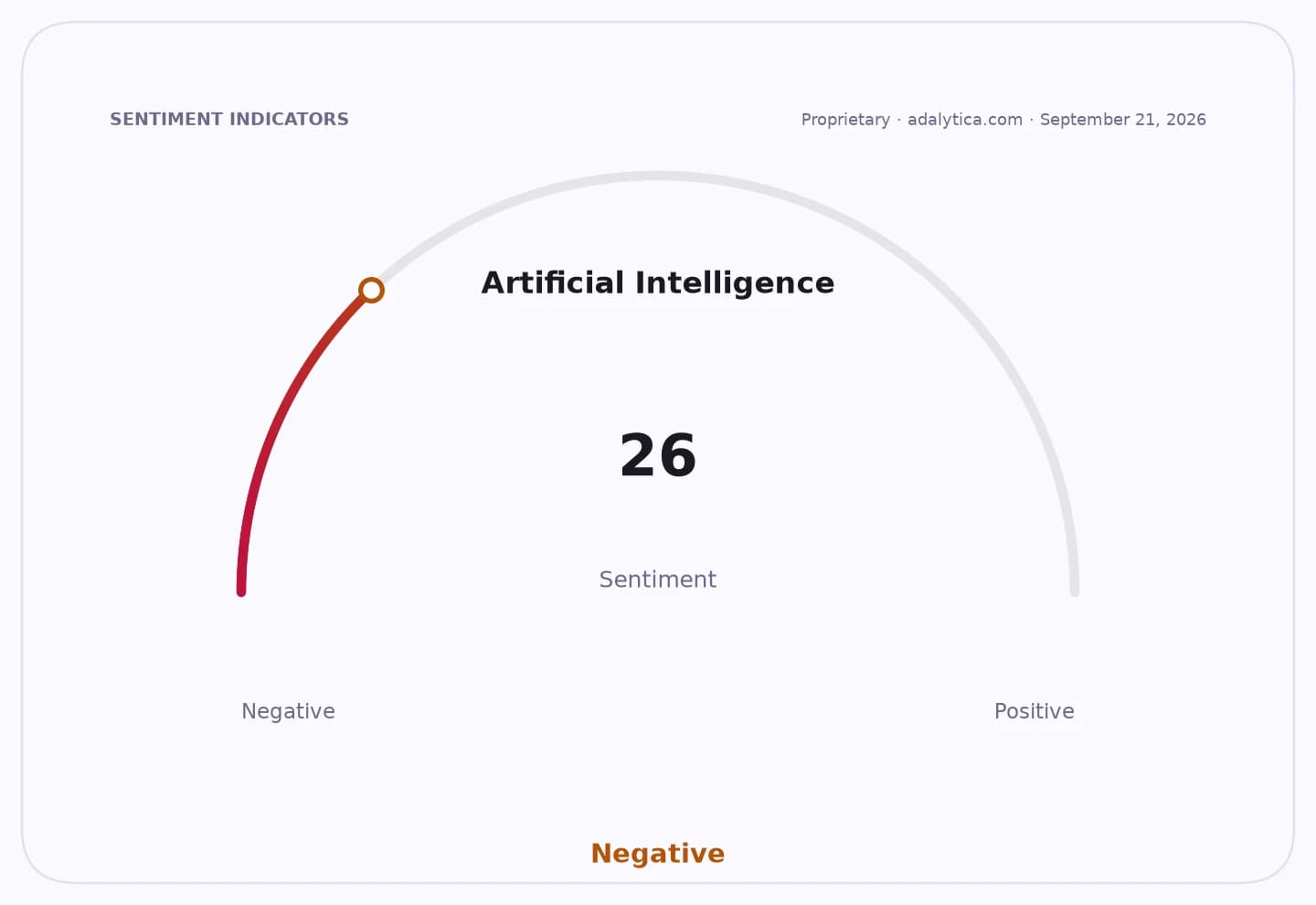
Egypt is moving to build its first large-scale artificial intelligence data center, a $1 billion project that puts the country at the center of a widening U.S.-China fight for influence over digital infrastructure in the Middle East and Africa.
Egypt plans $1B Nvidia AI data center
The plan, announced by Egypt’s communications and information technology minister, calls for a facility built with technology from Nvidia, the dominant supplier of AI chips and related infrastructure. For Egypt, the project is more than a technology upgrade: it is a bid to secure computing capacity locally, attract AI investment and reduce reliance on foreign cloud infrastructure as governments increasingly treat data and model access as strategic assets.
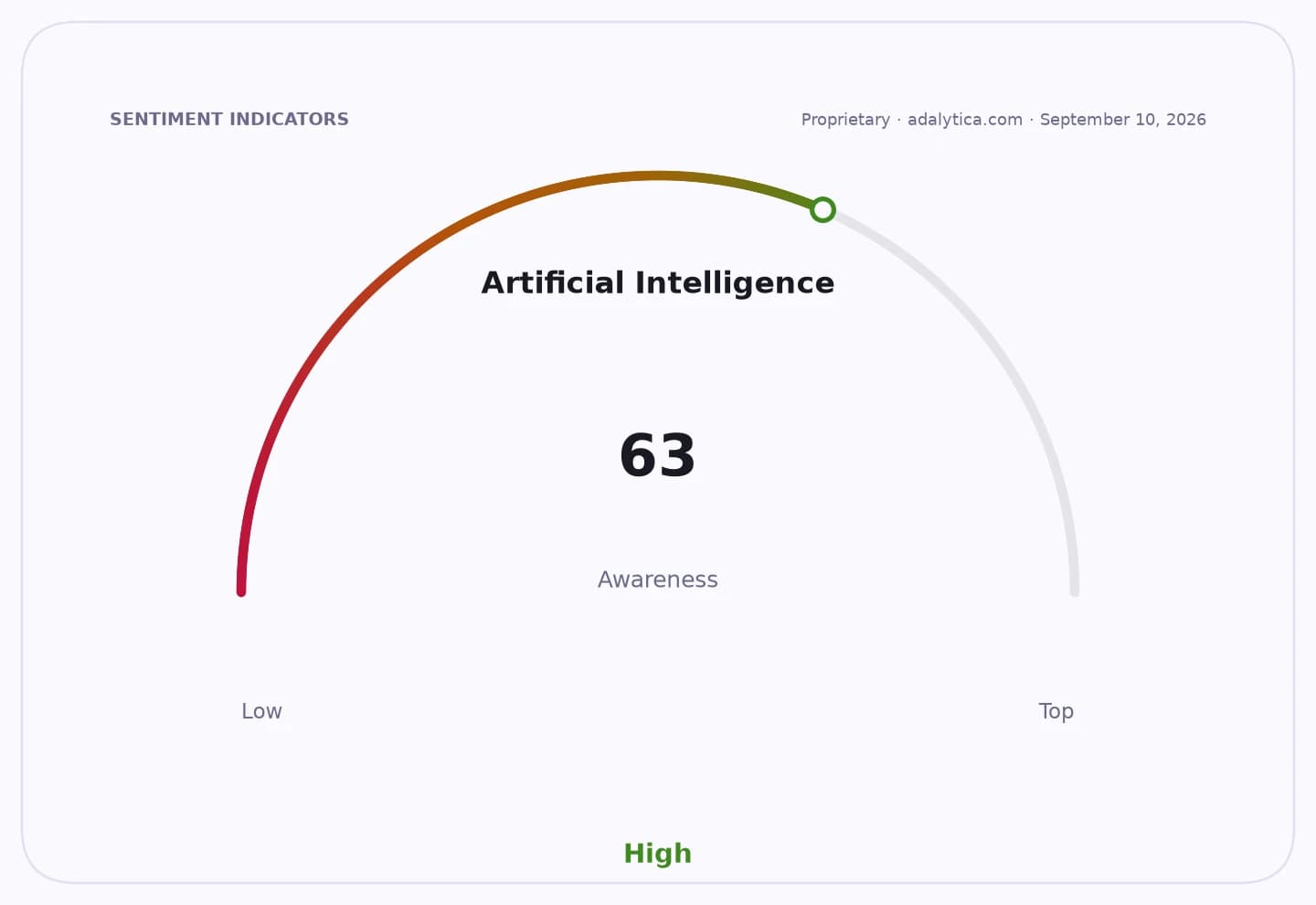
Sentiment IndicatorsⓘProprietary · adalytica.com · September 10, 2026
This is a snapshot — live sentiment, awareness and momentum for 130+ markets update continuously in the dashboard.Open AlphaPulse
The timing is politically sensitive. Chinese President Xi Jinping visited Egypt last week, his first trip there in a decade, and Bloomberg reported before the visit that Huawei had offered to build a data center for Egypt. Washington responded by pushing a counterproposal from U.S. companies including Nvidia, underscoring how AI infrastructure has become another front in great-power competition.
For investors, the deal reinforces demand for Nvidia’s ecosystem beyond the U.S. and Europe, as governments and enterprises race to build the power-hungry facilities needed to train and run AI models. It also points to continued capital spending by cloud and infrastructure players, even as recent trading in Nvidia has shown volatility; the stock closed at $218.11 on Sept. 10, below its 50-day moving average of $212.16 but still above its 200-day average of $197.12, while RSI readings near 50 suggest neither extreme overbought nor oversold conditions.
The broader message is that AI buildout is no longer confined to the big U.S. hyperscalers. Emerging markets are now competing for chips, power and network capacity, and the winner will gain both economic leverage and a foothold in the next phase of digital development.
The key question now is how quickly Egypt can secure financing, power and approvals for the project, and whether other regional governments follow with similar bids as U.S. and Chinese technology providers fight for long-term infrastructure wins.
| Entity | Gains | Losses |
|---|---|---|
| Egypt | ▲Local AI capacity; strategic autonomy | ▼Higher upfront capital burden |
| Nvidia | ▲New infrastructure demand | ▼Intensifying geopolitical scrutiny |
| Huawei | ▲Fewer chances if U.S. offer wins | ▼Lost foothold in Egypt bid |
| U.S. tech firms | ▲Regional AI presence | ▼Competition from Chinese vendors |