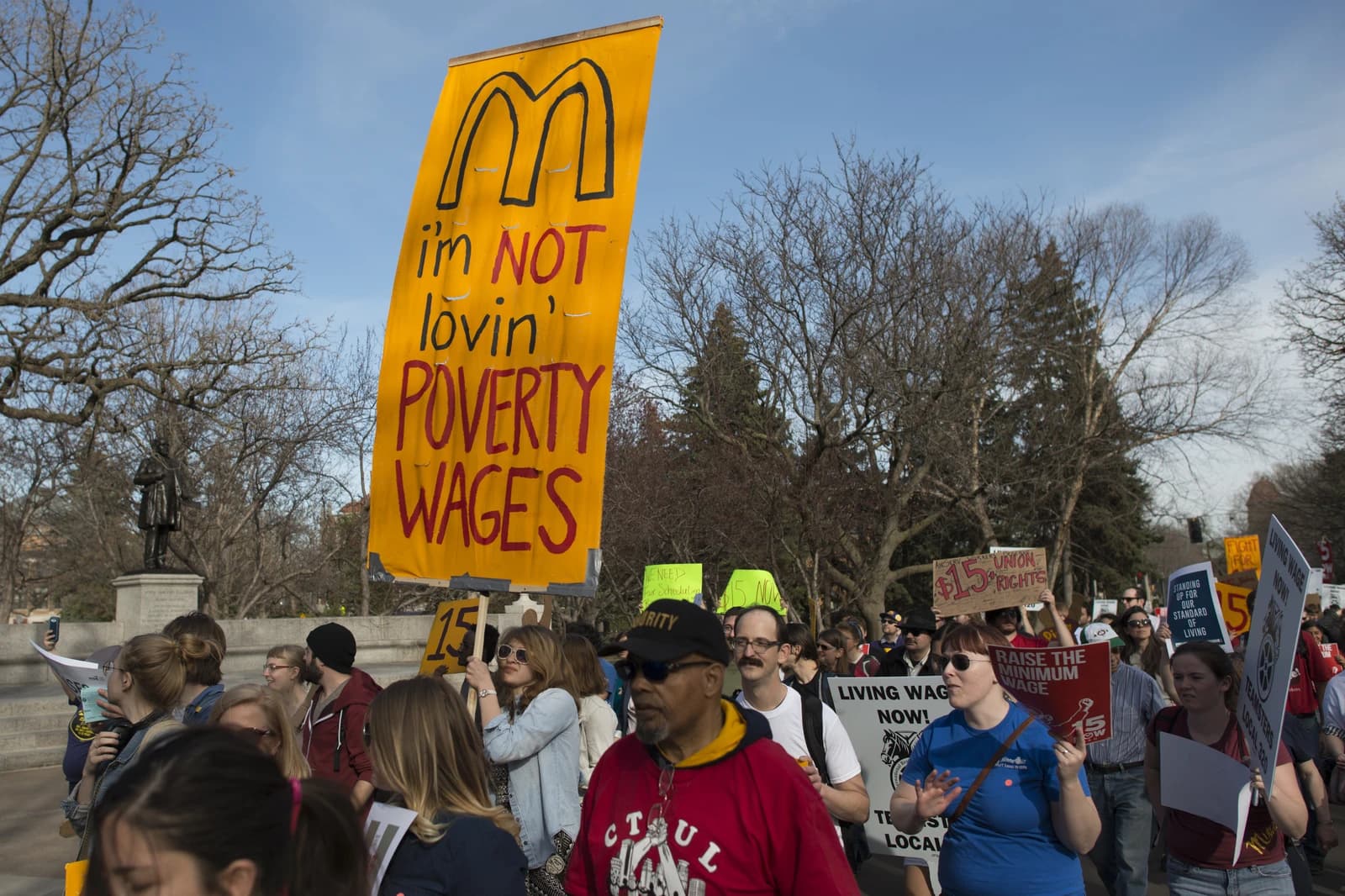
Egypt is set to raise the private-sector minimum wage to 8,500 pounds a month from January 2027, a move that will lift pay for millions of workers but also adds to pressure on employers already facing sticky inflation and weak consumer demand.
Egypt Private-Sector Minimum Wage Set at 8,500 Pounds
The wage floor comes as Egypt’s inflation remains elevated, with the headline consumer price index at 337.5 in October and the core index at 339.9, underscoring how expensive food, transport and services remain for households. Real wage gains will be limited if prices continue rising at the current pace, which helps explain why labor groups have pushed for a larger increase while businesses and policymakers have argued for caution.
Sentiment Indicators
For investors, the decision matters because it feeds directly into labor costs for consumer-facing industries, including retail, food, logistics and hospitality, where wages make up a significant share of operating expenses. Higher payrolls can squeeze margins unless companies can pass the cost on, a difficult task in an economy where demand is already strained and disposable income remains under pressure.
The timing also matters for monetary policy. Egypt’s labor market remains relatively stable, with unemployment at 4.1% in October, but the central bank has repeatedly flagged wage adjustments as a potential inflation risk if they outpace productivity. That puts the wage hike in the middle of a delicate balancing act between supporting consumption and avoiding another round of price pressures.
Adalytica’s CPI sentiment gauge is at 71, in “greed” territory, while its wage inflation sentiment is neutral at 39, reflecting uncertainty over how aggressively pay will rise and how much of the increase businesses can absorb. The final figure will shape January 2027 payroll budgets, consumer spending power and the inflation path that investors will watch closely into the new year.
| Entity | Gains | Losses |
|---|---|---|
| Egyptian workers | ▲Higher monthly pay | ▼Still-lagging real income |
| Consumer-facing employers | ▲More labor certainty | ▼Higher payroll costs |
| Households | ▲Better cash flow | ▼Limited relief if inflation persists |
| Policymakers | ▲Social stability | ▼Added inflation pressure |