Egypt’s foreign-exchange reserves have climbed to a record $57.5 billion, giving the central bank a stronger buffer against external shocks just as global capital flows, geopolitics and higher-for-longer rates keep pressure on emerging markets.
Egypt reserves hit record $57.5 billion

The milestone matters because reserves are the clearest signal that a country can meet import needs, service external debt and defend financial stability without immediately leaning on emergency financing. For Egypt, it also suggests the policy reset launched in 2024 is beginning to bite: the central bank is pairing a flexible exchange rate with tighter inflation control, while the banking system’s net foreign assets have risen to their highest level since 2011 and inflation has eased.
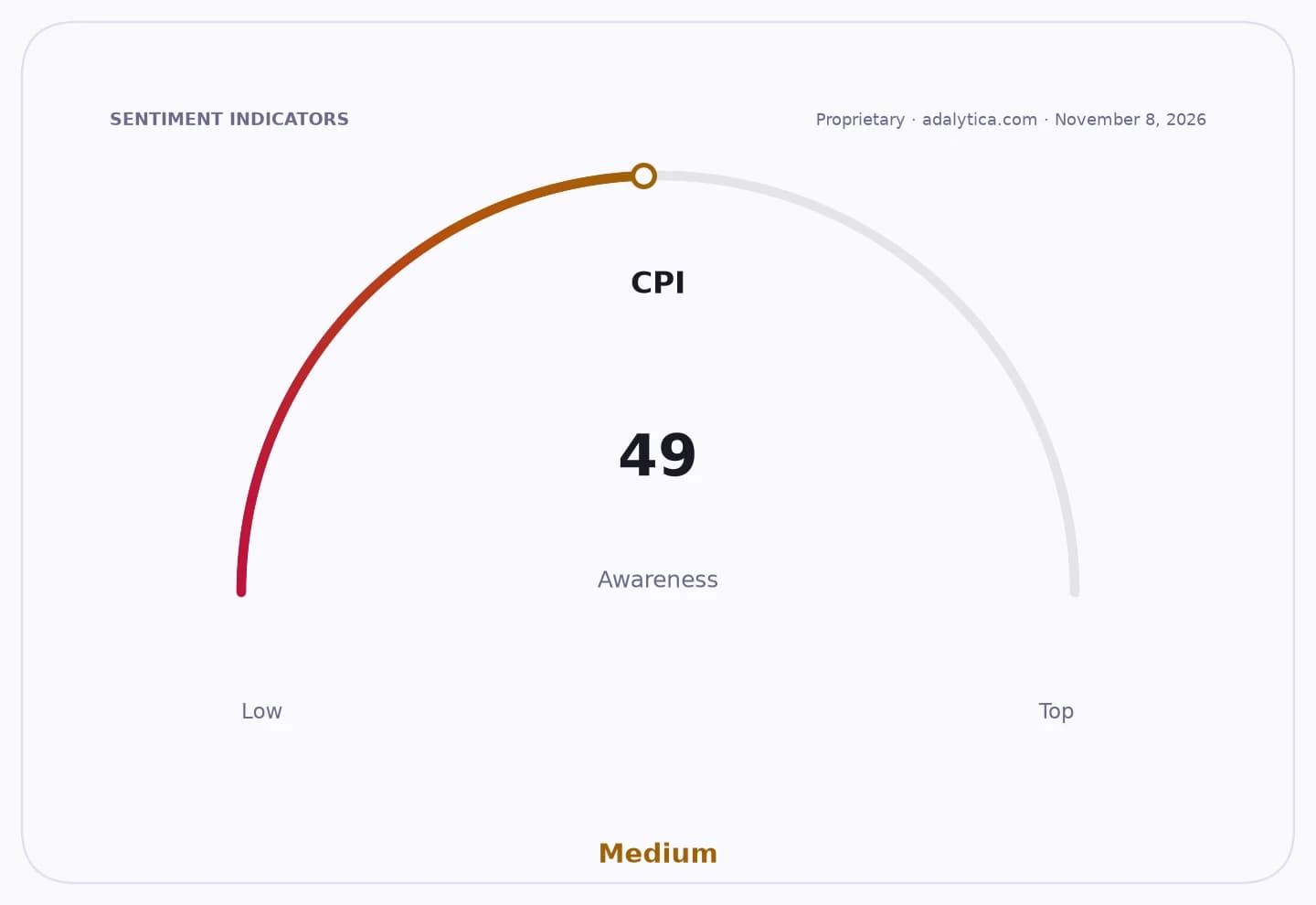
Sentiment Indicators
That combination is important for investors. A record reserve cushion usually lowers the odds of abrupt currency stress, supports sovereign-credit confidence and improves the backdrop for local-currency assets, bank balance sheets and foreign participation in the domestic market. It also gives policymakers more room to manage volatility if global risk appetite turns.
Central bank Governor Hassan Abdullah said the reserves reached the all-time high at the end of October, speaking at a financial markets conference in Cairo attended by about 500 participants from 40 countries. He framed the increase as part of a broader effort to preserve financial stability, strengthen the banking sector and absorb external shocks through a market-driven exchange rate.
The timing is notable. The conference agenda itself reflected the pressures shaping capital markets everywhere: geopolitical tensions, fast-moving technology shifts and swings in cross-border flows. For Egypt, the reserve buildup is the economic answer to that uncertainty — more hard currency, less fragility.
There is also an investment narrative forming behind the headline. Egypt is trying to turn macro stabilization into a repricing story. If reserves keep rising and inflation keeps moderating, the market will increasingly view the country as a beneficiary of reform rather than a repeat crisis case. That opens the door to tighter sovereign spreads, improved bank funding conditions and renewed interest in Egyptian equities and hard-currency debt.
The central bank is also leaning into the next phase of financial infrastructure, saying it is using artificial intelligence through its data science center to improve operations and economic analysis, while warning that broader adoption will require stronger governance and cyber defenses. That matters because the reserve story is not just about dollars in the vault; it is about whether Egypt can modernize its financial system without sacrificing stability.
For investors, the takeaway is simple: Egypt’s record reserves are not the finish line, but they are a powerful confirmation that the macro repair is real. If the trend continues, the trade is to look for the assets that benefit first from falling stress and improving confidence — banks, local fixed income and, eventually, the broader domestic market.
| Entity | Gains | Losses |
|---|---|---|
| Egypt central bank | ▲Bigger FX buffer | ▼Less urgency for crisis support |
| Egyptian banks | ▲Stronger balance sheets | ▼Lower FX scarcity premium |
| Sovereign debt holders | ▲Lower default risk | ▼Fewer distressed-pricing opportunities |
| Importers and consumers | ▲More currency stability | ▼Speculators betting on devaluation |