Egypt is stepping up efforts to attract overseas capital to its urban and tourism developments as Housing Minister Sherif El-Sherbiny met the head of the GTO International Foundation to expand marketing into new foreign markets.
Egypt promotes urban and tourism projects abroad
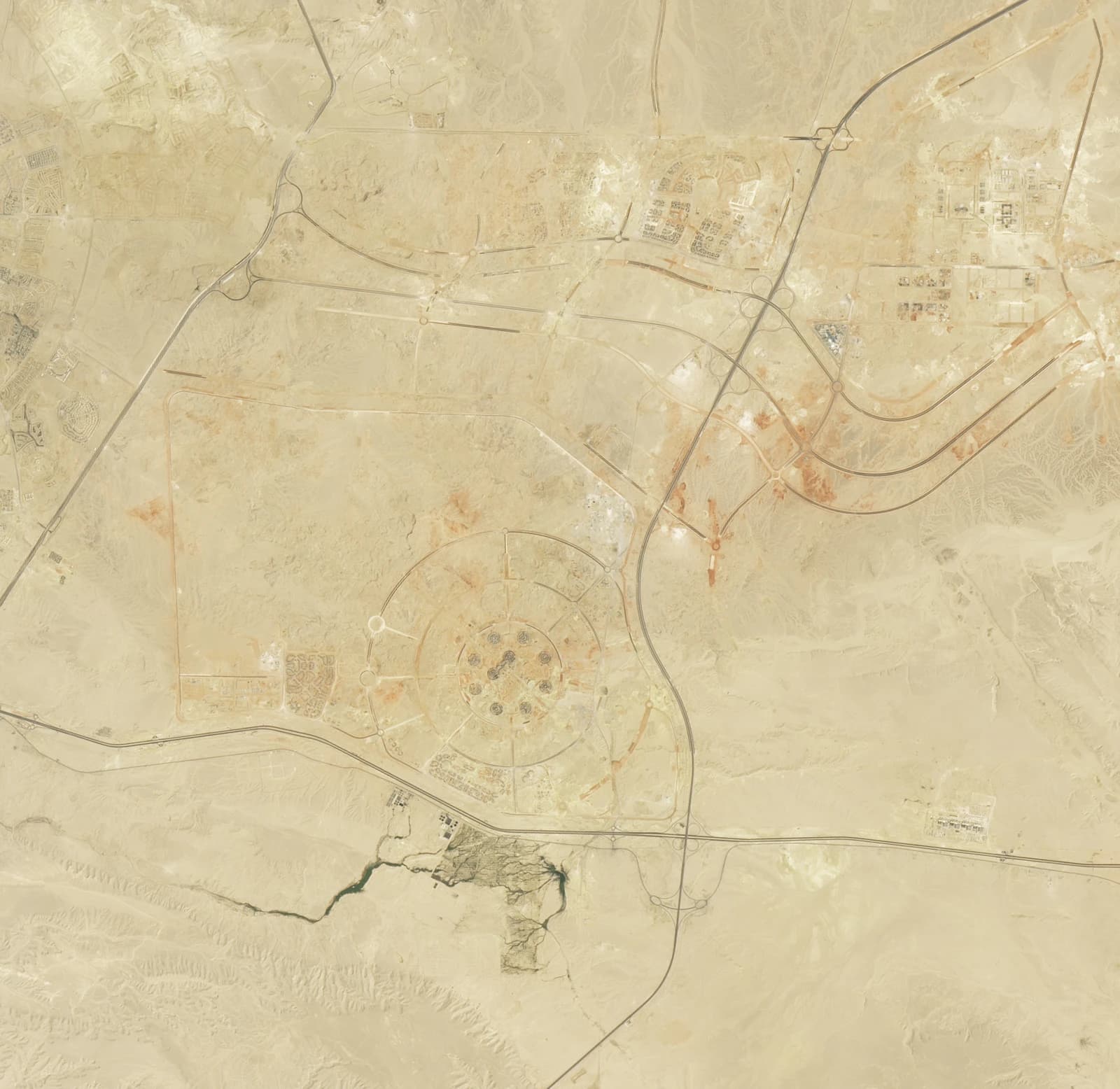
The push matters because real estate remains one of Egypt’s most important sectors for jobs, investment and foreign-currency inflows, while the government is still trying to tame a fragmented market marked by millions of illegal buildings and widespread unplanned urban growth. Expanding the pool of foreign buyers and developers could help channel demand into planned projects, support state-backed communities and ease pressure on the formal housing market.
Sentiment IndicatorsⓘProprietary · adalytica.com · August 16, 2026
This is a snapshot — live sentiment, awareness and momentum for 130+ markets update continuously in the dashboard.Open AlphaPulse
The ministry’s outreach also fits into Cairo’s broader campaign to restructure the property sector, improve transparency and use real estate as a tool for economic stabilization. Authorities have been leaning on overseas Egyptians and foreign investors to support development plans, including land and farm-related programs that have drawn thousands of applications from Egyptians abroad.
For investors, the immediate readthrough is less about a single deal than about policy direction: Egypt wants to market its urban and tourism assets more aggressively to buyers outside the domestic market. That could benefit developers, contractors, hospitality-linked assets and landholders with exposure to government-backed projects, while underscoring the state’s reliance on private capital to help finance new communities.
In market terms, the story lands at a time when sentiment around housing and rent inflation remains fragile, even as broader global risk appetite has cooled. Technical indicators on related listed property names show mixed near-term momentum, with some stocks still holding above their 200-day moving averages but losing altitude after strong runs.
The next catalyst will be whether the ministry follows the marketing discussion with concrete incentives, overseas roadshows or new sales channels that make Egyptian projects easier to buy from abroad. Investors will also watch whether the effort translates into foreign bookings, land sales or joint ventures rather than just promotional messaging.
| Entity | Gains | Losses |
|---|---|---|
| Egyptian developers | ▲Wider foreign demand | ▼Reliance on domestic buyers |
| Government housing policy | ▲More FX-linked interest | ▼Pressure to fix market distortions |
| Foreign buyers | ▲Access to new projects | ▼Currency, legal, execution risk |
| Unplanned housing market | ▲Less focus on informal stock | ▼Higher scrutiny and regulation |