Egypt’s push to modernize waste collection is exposing a much bigger prize: a recycling economy that local experts say could generate more than $8 billion a year if it is organized well, and that could either lift formal operators or squeeze the informal workers who have long captured the most valuable scrap.
Egypt waste reform could build $8 billion recycling market
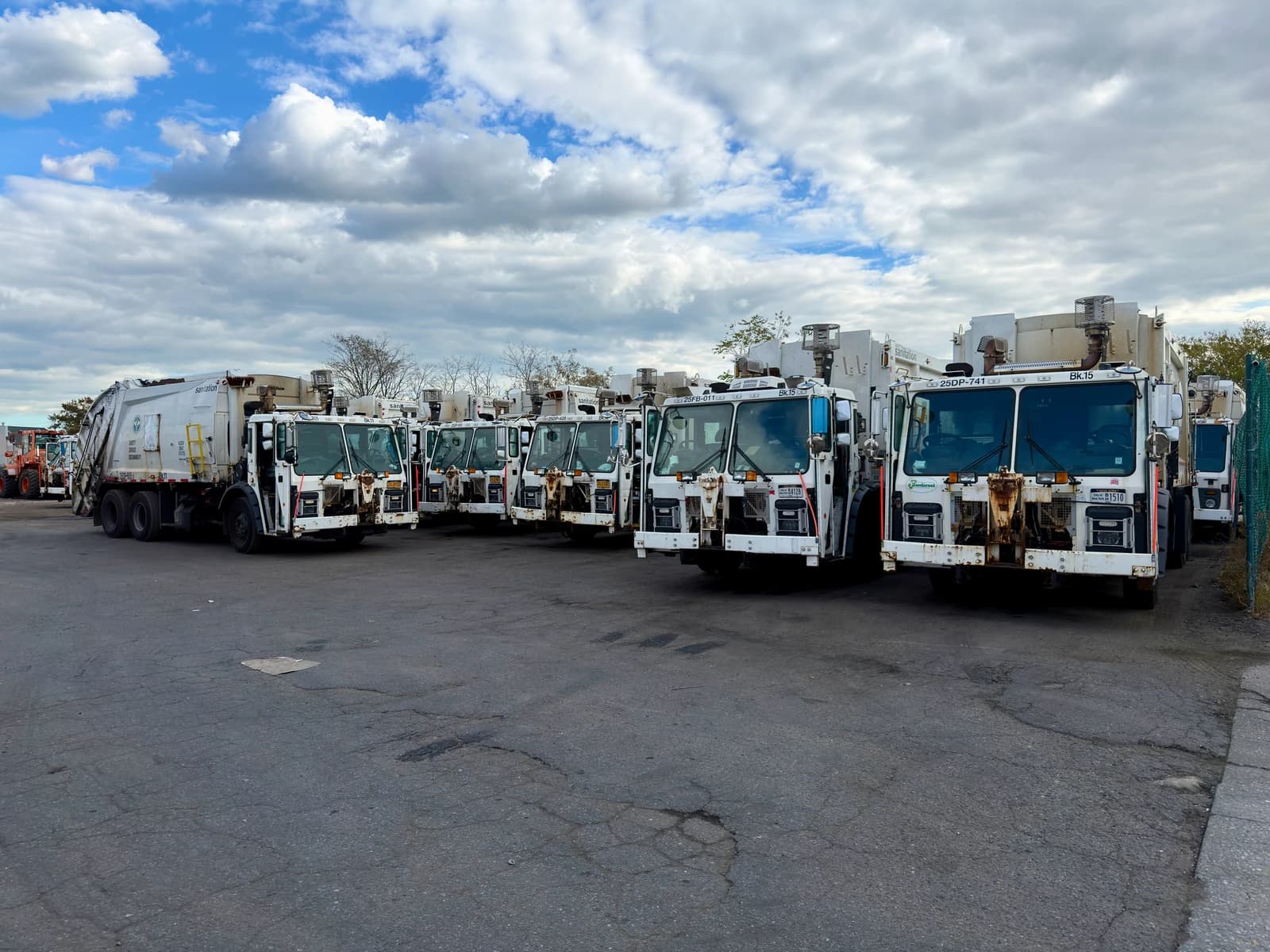
That matters because garbage is no longer just a sanitation problem in Egypt. It is becoming a resource market tied to metals, plastics, fuel, fertilizer and industrial inputs, with a value chain that stretches from curbside collectors to brokers, compactors and recycling plants. In a country that produces about 100 million tons of waste a year, with agricultural waste alone topping 50 million tons, the economic stakes are large enough to influence jobs, urban policy and private investment.
Sentiment Indicators
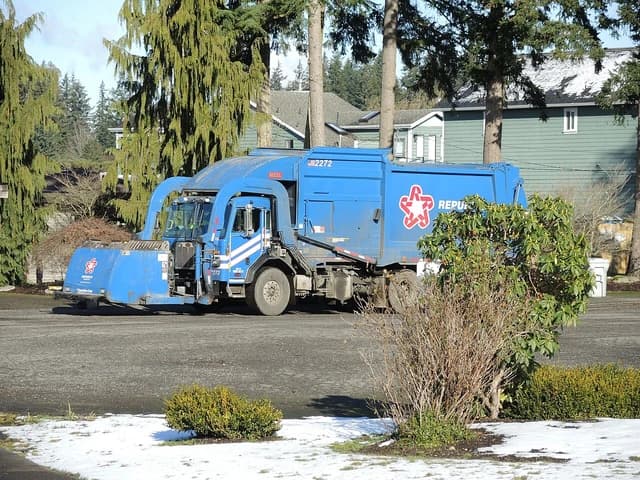
The immediate flashpoint is a trial of smart collection machines and underground bins in Giza’s Dokki district. Officials want cleaner streets and higher recycling rates. But the people who already make a living from waste say the system could divert the highest-value materials — especially plastic bottles, aluminum cans and other metal scrap — before they reach the informal collectors who depend on them.
That is the real tension in Egypt’s waste story: modernization versus livelihoods. The sector has long relied on an informal army of scavengers, sorters and scrap dealers who know the market and move quickly when prices rise. They are not rejecting reform. They are asking whether reform will include them, or replace them. For investors, that question matters because the success of any waste-management overhaul depends on whether the existing collection network can be formalized instead of displaced.
The economics are easy to see. One local environmental official said a kilo of compressed aluminum cans can fetch about 90 Egyptian pounds, roughly 90,000 pounds a ton, while another source in the sector said the highest-value metals command far more than ordinary trash. An economist quoted in the report estimated the broader recycling market could be worth more than $8 billion annually, describing it as a hidden economy and a national asset. Even if the exact figure is debatable, the direction is not: higher commodity prices and stronger demand for recycled feedstock are making waste more valuable.
That has implications beyond street cleaning. Recycling supports industrial supply chains, reduces landfill use and can cut imports of raw materials. It also creates a platform for energy production from organic waste, which is why the government is investing in more sorting lines, recycling plants and private-sector participation. The Ministry of Local Development says collection efficiency has improved sharply in recent years, and the state is already training informal workers and issuing professional cards to thousands of them in an effort to bring them into the formal system.
For investors, the long-term opportunity is in scale and organization. A fragmented, cash-based market with weak rules tends to enrich middlemen and underinvest in equipment. A regulated one can support private operators, lenders, equipment suppliers and industrial recyclers with clearer margins and more reliable feedstock. That is why the state’s push to expand private-sector involvement, build new recycling infrastructure and tighten the legal framework could eventually create a more investable waste industry.
But there are risks. If pricing at the new machines is too low, collectors will ignore them. If the formal system captures the best materials without offering jobs, insurance or stable incomes to informal workers, resistance will follow. And if the rollout is too expensive or badly located, the country could spend heavily without materially improving recycling economics.
The bottom line is that Egypt is trying to turn trash into an industrial asset. If it can integrate the informal sector and keep the economics attractive for households and collectors, the waste market could become one of the country’s more durable growth stories. For long-term investors, that makes the sector worth watching, especially companies and infrastructure projects tied to collection, sorting, recycling and resource recovery.
| Entity | Gains | Losses |
|---|---|---|
| Egyptian state | ▲Cleaner cities, formal tax base | ▼Higher rollout costs |
| Informal collectors | ▲Formal jobs, social protection | ▼Loss of top-value scraps |
| Private recyclers | ▲More feedstock, bigger market | ▼More regulation, tighter competition |
| Households and cities | ▲Better sanitation, less landfill use | ▼Lower immediate cash incentives |