A new PLN 3 billion steelworks in Poland’s Zagłębie region is being built not just to process scrap, but to extract copper, gold and silver from waste metal, turning an industrial by-product into a higher-value feedstock as Europe seeks more secure supplies of critical materials.
Poland steelworks to recover copper gold silver
The project matters because it sits at the intersection of industrial recycling, commodity scarcity and supply-chain security. By recovering precious and nonferrous metals from scrap, the plant can lift the value of every tonne processed and reduce dependence on imported primary metal at a time when manufacturers are under pressure to localize supply chains and improve traceability.
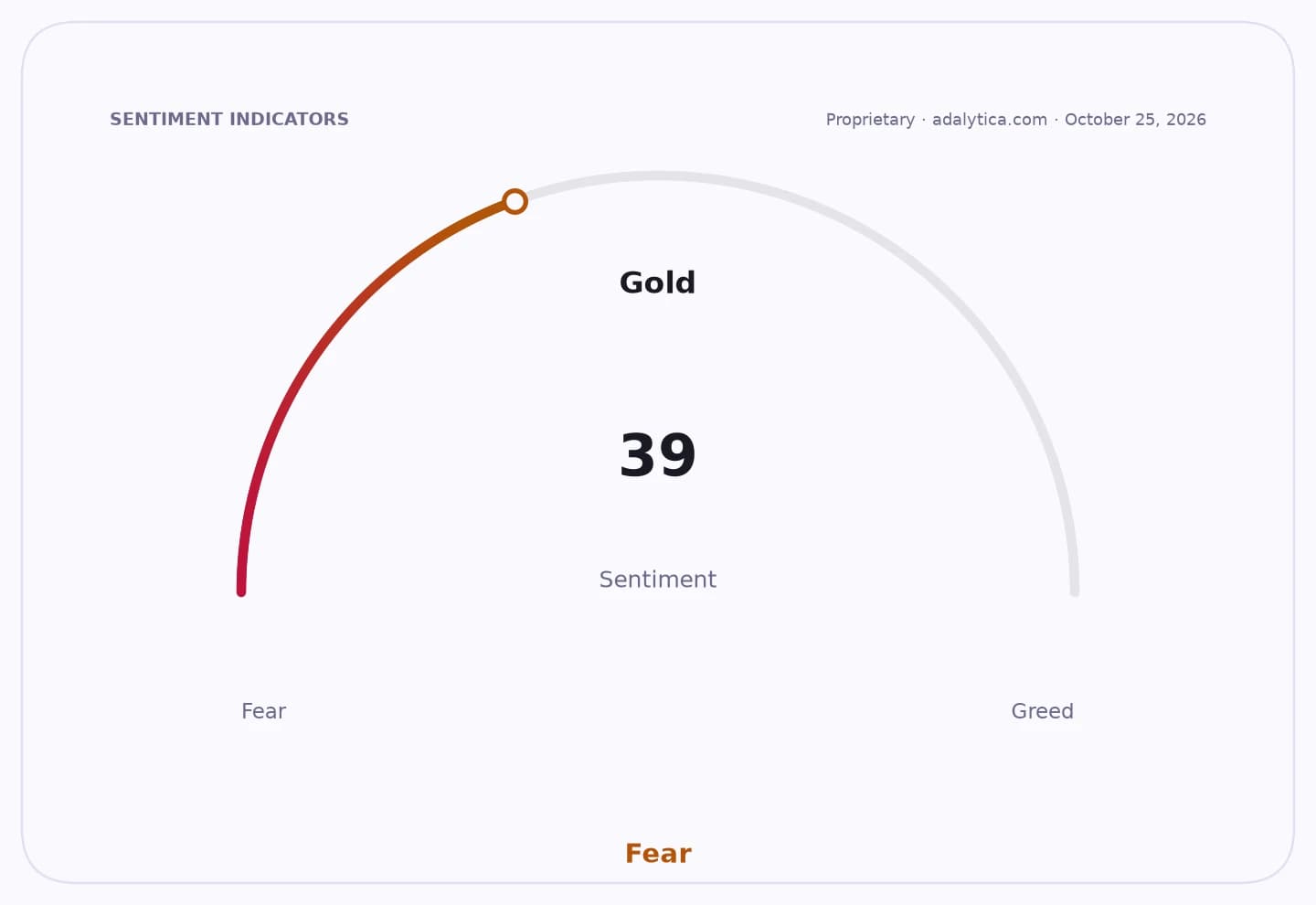
Sentiment Indicators
That is economically significant for Poland, where heavy industry is still wrestling with energy costs, emissions rules and the need for capital-efficient growth. A recycling plant can generate revenue from multiple metal streams rather than a single product, which improves margin resilience if one commodity weakens. It also fits a broader European push to extract more value from domestic waste streams instead of relying on mined output exposed to geopolitics, permitting delays and long project lead times.
For investors in metals and miners, the development reinforces a structural theme: recycled supply is becoming a more important competitor to primary production. Freeport-McMoRan, Pan American Silver and Newmont have all traded with volatile momentum this year as commodity markets and growth expectations shifted, but a larger recycling footprint can cap some upside in tight markets while supporting industrial users with cheaper, shorter-cycle supply. Newmont’s shares, for example, have retreated to about $111 from above $134 in late August, while Freeport has fallen back toward $65 from the $70s, underscoring how quickly sentiment can reverse even as long-term demand narratives remain intact.
The move also lands against a volatile precious-metals backdrop. Gold sentiment in Adalytica’s gauge is at “Extreme Fear,” suggesting investors have been cutting exposure even as strategic demand for bullion and precious-metal recovery remains intact. For chipmakers and other industrial buyers, recycled gold and silver can provide a more stable source of input material, particularly when customs scrutiny and environmental concerns make e-waste and scrap processing harder to manage.
The bear case is that recycling projects still face execution risk, including feedstock quality, collection economics and permitting. But if the plant reaches scale, it could strengthen Poland’s position in Europe’s metals value chain and give manufacturers a domestic source of recovered copper, gold and silver that is less exposed to mining disruptions and global shipping bottlenecks.
For investors, the key watchpoint is whether this becomes a one-off project or part of a broader buildout of high-value scrap processing across Europe. If it does, the most immediate winners are industrial recyclers and downstream manufacturers; the losers are primary producers whose pricing power is diluted by more efficient secondary supply.
| Entity | Gains | Losses |
|---|---|---|
| Polish recyclers | ▲Higher-value scrap processing | ▼Greater capital intensity |
| Manufacturers in Europe | ▲Local metal supply | ▼Less reliance on imported primary metals |
| Primary miners | ▲— | ▼More competition from recycled supply |
| Precious-metals buyers | ▲Shorter supply chains | ▼Potentially lower scarcity premium |