The International Monetary Fund’s decision to back about $140 million in fresh funding for El Salvador matters because it shows the country has kept its most controversial financing relationship intact while preserving access to outside money.
El Salvador gets IMF backing for $140 million
For investors, that is the real story: the IMF is still willing to support President Nayib Bukele’s government, but only after getting comfort that El Salvador’s bitcoin buying is no longer being funded by public resources. That removes, at least for now, one of the biggest risks hanging over the country’s reform program — the fear that cryptocurrency experimentation could derail a broader effort to stabilize the economy, unlock lending and restore credibility with global markets.
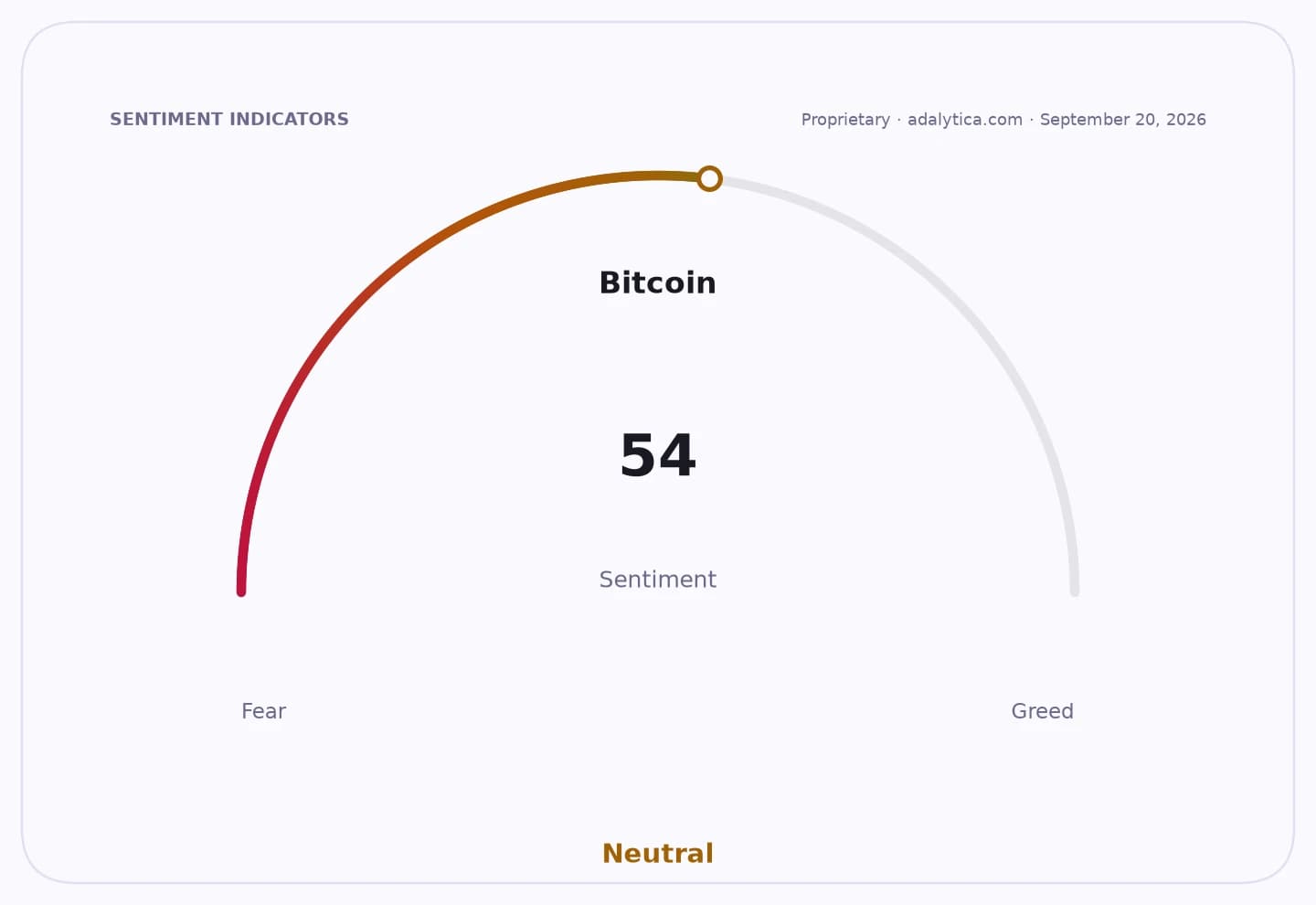
Sentiment IndicatorsⓘProprietary · adalytica.com · September 4, 2026
This is a snapshot — live sentiment, awareness and momentum for 130+ markets update continuously in the dashboard.Open AlphaPulse
The staff-level agreement covers the second and third reviews of a 40-month program tied to a $1.4 billion facility. It still needs approval from the IMF’s executive board, but the message is clear. El Salvador can keep its crypto identity in the background, as long as it does not turn into a direct drain on the state.
That distinction matters economically. The IMF is effectively separating the symbolic value of bitcoin from the fiscal reality of the sovereign balance sheet. If El Salvador were using taxpayer money for additional bitcoin accumulation, it would deepen concerns about reserve management, debt discipline and policy credibility. By limiting purchases to documented private donations, the fund is signaling that the program’s core objective — keeping the government on a path toward austerity and reform — remains intact.
The IMF was also more upbeat on the broader economy than it has been in years. It said El Salvador continues to perform strongly, after growth beat forecasts last year, and projected expansion of 4.5% in 2026, helped by investment, consumer spending, remittances, tourism and capital inflows. That is important because it suggests Bukele’s government is getting a payoff, at least in macro terms, from improved security and greater investor confidence.
For long-term investors, the implication is not that El Salvador has become risk-free. It has not. The country is still small, highly dependent on external financing and politically associated with austerity that has fallen heavily on public employees. Economists estimate around 15,000 state workers have been laid off since 2024, while labor unions put job losses since 2019 far higher. But the IMF’s willingness to release funds tells you the financing story is moving in the right direction.
That is what markets care about: whether a sovereign borrower is becoming more, or less, financeable. A country that can keep IMF support, attract capital inflows and show stronger growth is a country with a better chance of meeting its obligations and refinancing itself on manageable terms. If that trend holds, it should be a modest positive for Salvadoran sovereign risk, even if bitcoin remains a headline magnet.
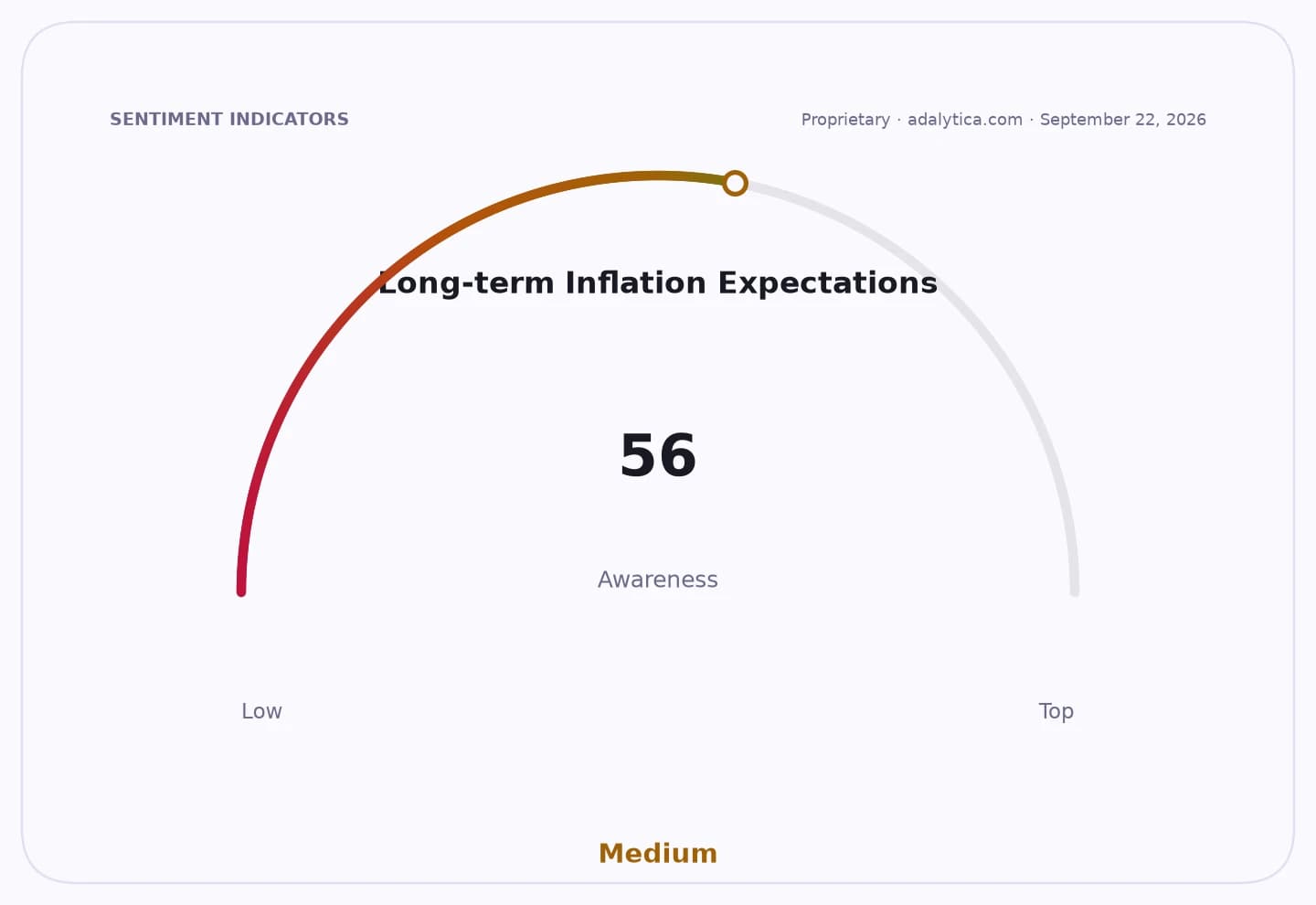
Bitcoin itself is less of a macro story here than a governance story. The crypto market has its own rhythm, and Adalytica.com’s Bitcoin Fear & Greed Index shows sentiment in neutral territory while awareness remains in extreme fear, a reminder that investor psychology around the asset can swing sharply. But for El Salvador, the bigger question is not price action. It is whether the state can keep its economic program separate from the volatility of a speculative asset.
That is why this IMF decision is worth watching beyond the headlines. If El Salvador keeps delivering growth, improves investor confidence and avoids turning bitcoin into a budgetary liability, it could slowly build a more durable financing profile. For investors in sovereign debt, emerging markets or even the wider crypto ecosystem, that makes the country a small but revealing test case. Hold it as a watchlist name — but think in years, not days.
| Entity | Gains | Losses |
|---|---|---|
| El Salvador government | ▲Fresh IMF funding | ▼Less room for bitcoin promotion |
| IMF | ▲Reform credibility | ▼None if conditions hold |
| Salvadoran bondholders | ▲Better financing outlook | ▼Still face austerity risk |
| Public employees | ▲None | ▼Job losses and spending restraint |