eMAG’s Black Friday 2026 campaign got off to a fast start, with sales surpassing 430 million lei in the first hours, underscoring how the event has become a key demand test for Romanian e-commerce and digital payments.
eMAG Black Friday sales top 430 million lei
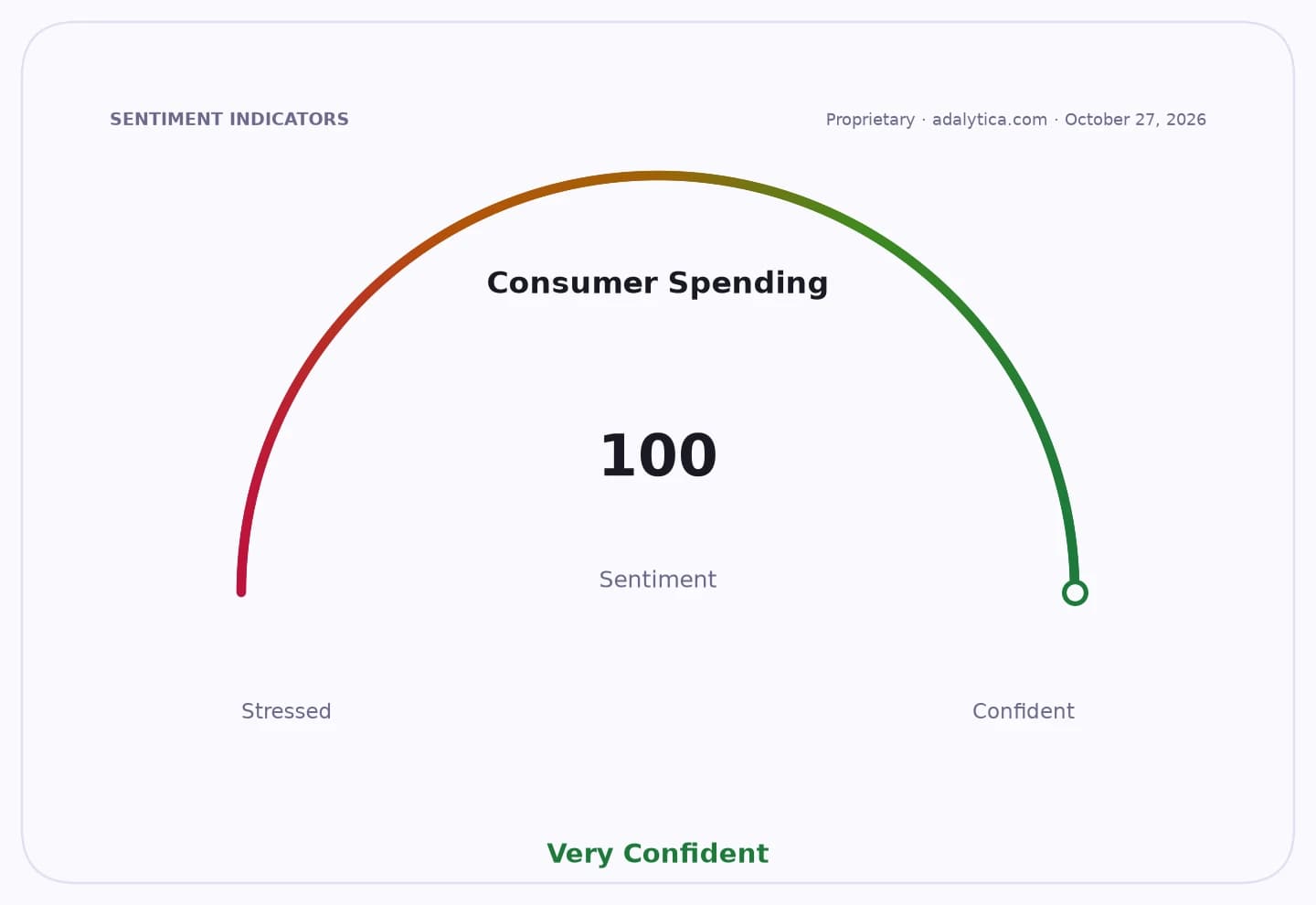
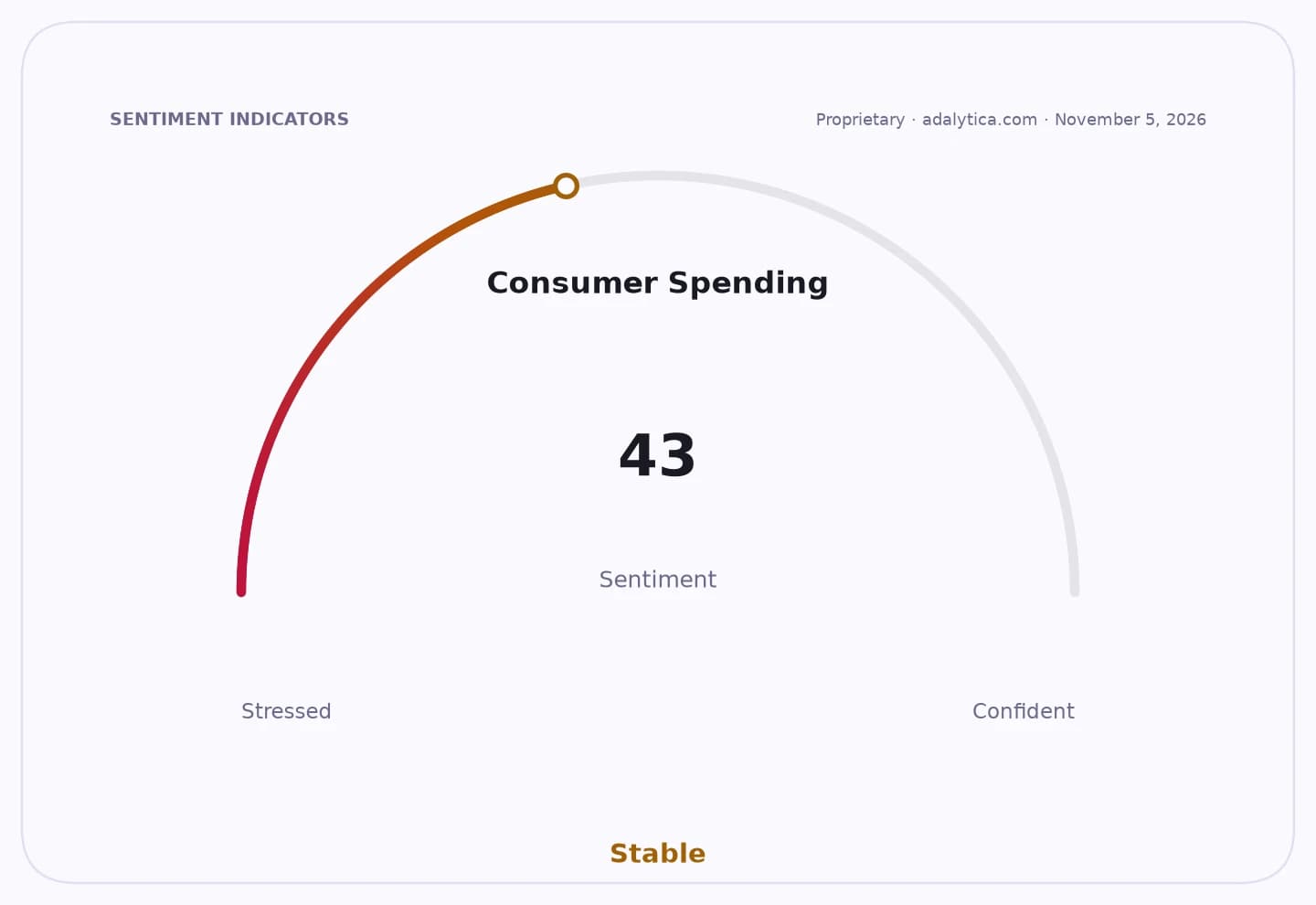
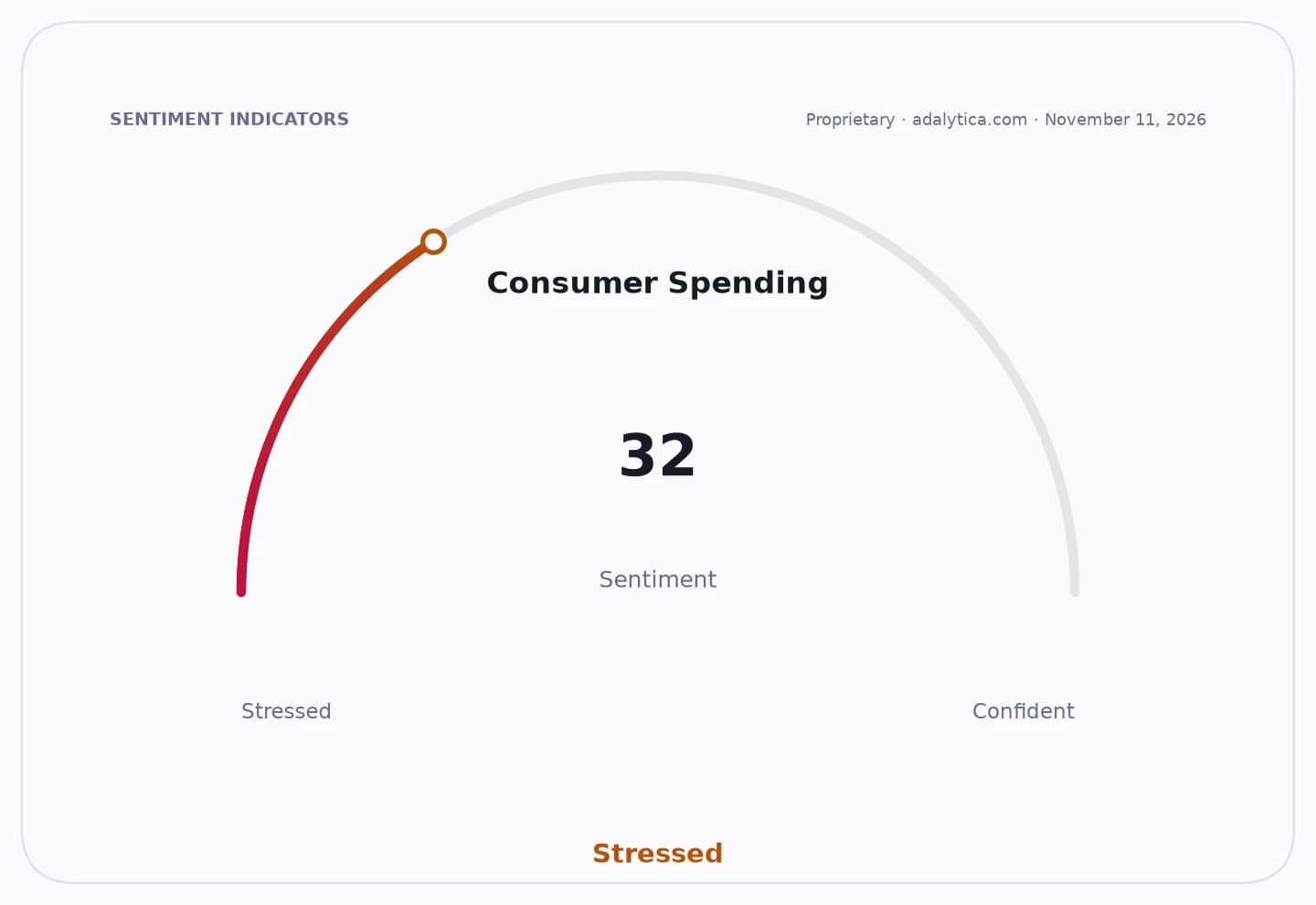
The early numbers matter because Black Friday has evolved from a one-day discount push into a high-stakes liquidity event for online retail, providing a read-through on consumer appetite, basket sizes and payment preferences. For eMAG, Romania’s largest online retailer, the opening pace suggests that price-sensitive shoppers are still willing to spend when promotions are deep enough, even as broader consumer sentiment has weakened in recent weeks.
Sentiment Indicators
By around 8:30 a.m., eMAG said it had attracted 271,908 customers and generated more than 430 million lei in sales, with 86.8% of payments made by card. An hour after launch, sales had already reached 371.7 million lei from more than 240,000 users, according to figures reported by Wall-street.ro. Within 10 minutes of the 7:14 a.m. start, sales had hit 95 million lei.
The payment mix is notable. The dominance of card transactions points to the continued expansion of cashless checkout in a market where online retail is still gaining share from traditional stores. That is good for eMAG and its payment partners because card use typically speeds processing, lowers friction at checkout and reduces reliance on cash-on-delivery logistics. It also indicates that consumers are comfortable making larger-ticket purchases online during peak promotional periods.
Investor interest in the event is wider than eMAG itself. Black Friday volume is a proxy for the health of discretionary spending across the region, and the day’s performance can influence expectations for merchants, payment processors, parcel networks and marketplace operators. Strong early sales support the case that seasonal discounting can still drive meaningful traffic and conversion even against a softer consumer backdrop.
The cautionary reading is that Black Friday sales are concentrated into a short window and can pull demand forward rather than create new demand. For retailers, that can pressure margins if discounts are too steep. For investors, the key question is whether the campaign produces incremental purchases or simply shifts spending that would have happened later in the season.
Still, the opening burst suggests Black Friday remains one of the most important commercial events in Romanian e-commerce, and eMAG’s early performance will be watched for clues on whether consumer demand can hold through the rest of the holiday cycle.
| Entity | Gains | Losses |
|---|---|---|
| eMAG | ▲Higher traffic and sales | ▼Margin pressure from discounts |
| Card networks/payments | ▲More cashless transactions | ▼Cash-on-delivery share |
| Consumers | ▲Lower prices and wider choice | ▼Risk of impulse spending |
| Competing retailers | ▲Pressure to match promotions | ▼Share loss if conversion lags |