Seven in 10 Romanians say they plan to shop on Black Friday this year, a sign the country’s biggest discount event is still one of the main demand spikes for retailers even as households keep a close eye on budgets.
Romania Black Friday Intent Rises to 70% in 2026
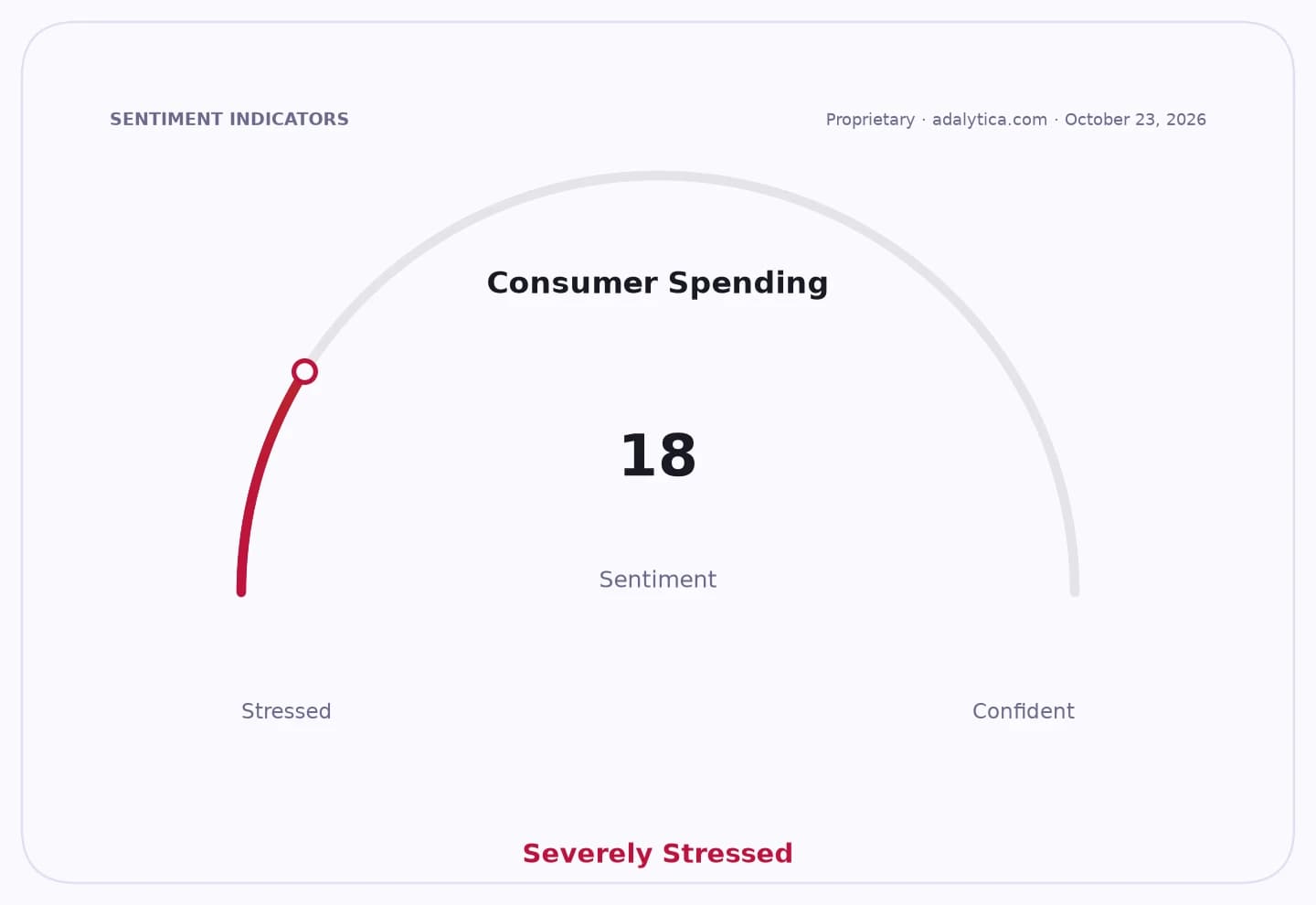
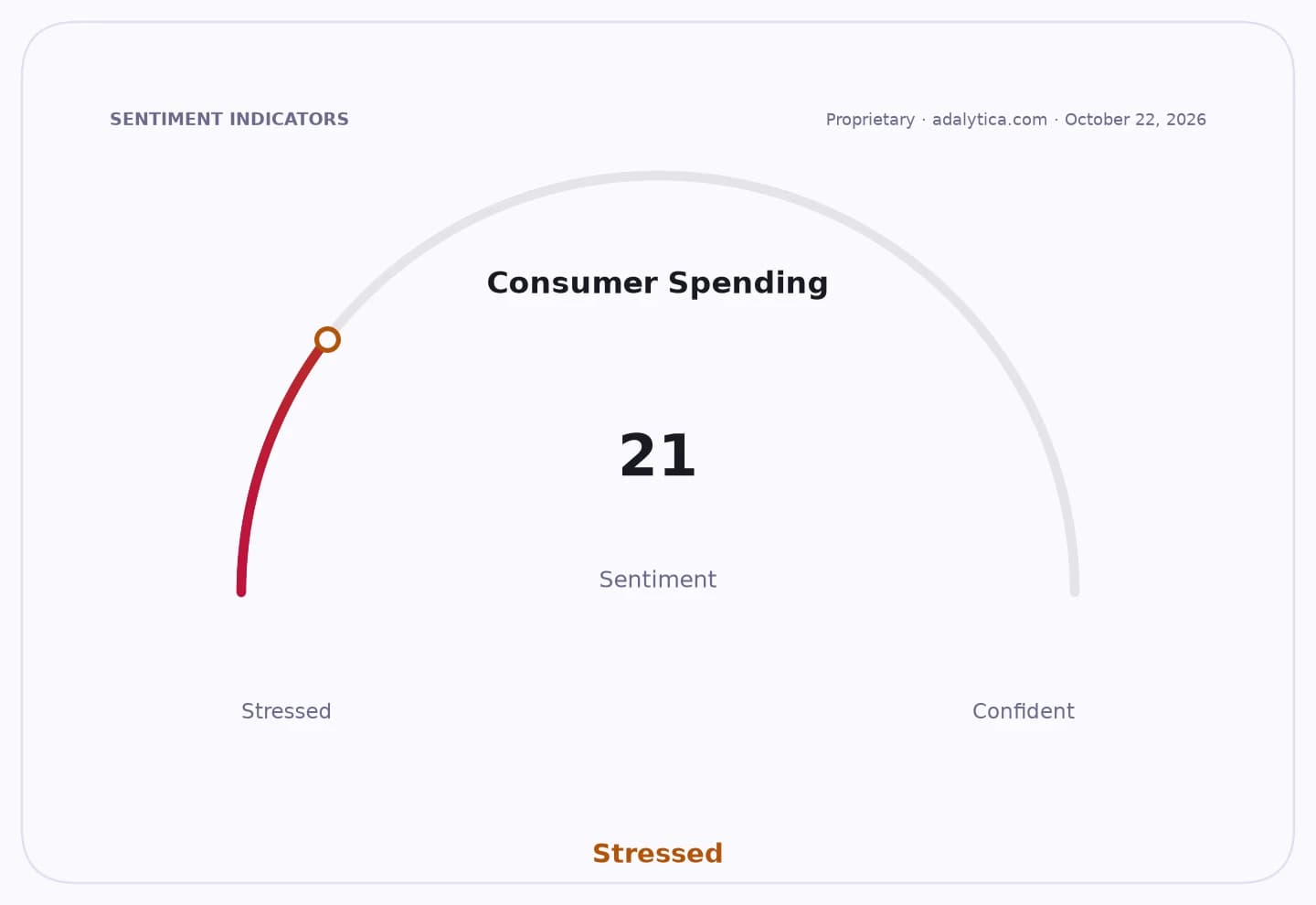
Consumer Spending
The MKOR survey shows purchase intent rising to 70% in 2026 from 62% last year and 57% in both 2023 and 2024, suggesting Black Friday is regaining momentum after a slower patch. That matters for merchants because the event has become a key test of consumer appetite, inventory planning and promotional pricing in a market where shoppers are still sensitive to value.
Sentiment Indicators
The split in what men and women want to buy is also shaping where the money will go. Electronics and appliances remain the top draw across both groups, cited by 55% of women and 47% of men who plan to buy, but men are far more likely to chase phones, laptops and smartwatches, with 44% naming IT&C products versus 29% of women.
Women are leaning harder toward beauty and lifestyle categories. Cosmetics, perfumes and personal-care products are on the list of 37% of women versus 17% of men, while clothing, footwear and accessories attract 37% of women compared with 24% of men. Home goods also skew female, at 30% versus 17%.
Men, by contrast, are much more likely to spend on gaming and auto-related products. Video games and gaming gear appeal to 19% of men and 6% of women, while auto and moto products are mentioned by 14% of men and just 3% of women. That kind of category mix can shape which retailers see the heaviest traffic and which promotions convert best.
Budgets appear steady rather than exuberant. Shoppers who plan to buy say they expect to spend about 2,100 lei on average, close to the 2,046 lei declared in 2025 and below 2024’s 2,179 lei, though MKOR said the comparison is only indicative because the survey question changed this year.
What investors should watch is conversion, not just intent. MKOR said 86% of planned buyers have already set a budget, with half saying they will spend based on the cash they have available and 43% citing product price as the main decision factor, a reminder that discount depth still matters more than branding on Black Friday.
The channel mix is also shifting toward digital. Six in 10 respondents who intend to buy say they will shop exclusively online, up from 47% last year, while only 8% plan to buy only in physical stores. That is a tailwind for e-commerce platforms, payment processors and delivery networks, and a challenge for brick-and-mortar chains trying to defend traffic.
Historical results suggest the event could still overdeliver. MKOR said actual buying has tended to exceed pre-event intent, with 79% of respondents saying they purchased in 2025 versus 62% who had planned to do so beforehand. Separate NETOPIA Payments data showed total processed payments on Black Friday 2025 rose 19% from 2024, while the average card payment reached 400 lei, 60% above the annual average.
For retailers and payments firms, the next catalyst is execution: discount levels, stock availability and checkout reliability will determine whether the strong intent translates into another record online sales day.
| Entity | Gains | Losses |
|---|---|---|
| E-commerce retailers | ▲Higher online traffic | ▼Physical store footfall |
| Payment processors | ▲More transaction volume | ▼Cash-heavy sales mix |
| Electronics sellers | ▲Broadest demand | ▼Niche categories |
| Beauty and fashion brands | ▲Strong female demand | ▼Gaming and auto sellers |