PC and console gamers are increasingly delaying purchases until discounts arrive, a shift that threatens the economics of full-price releases and strengthens the hand of digital storefronts, subscription services and discount-heavy marketplaces.
Newzoo: Gamers Delay Game Purchases for Sales
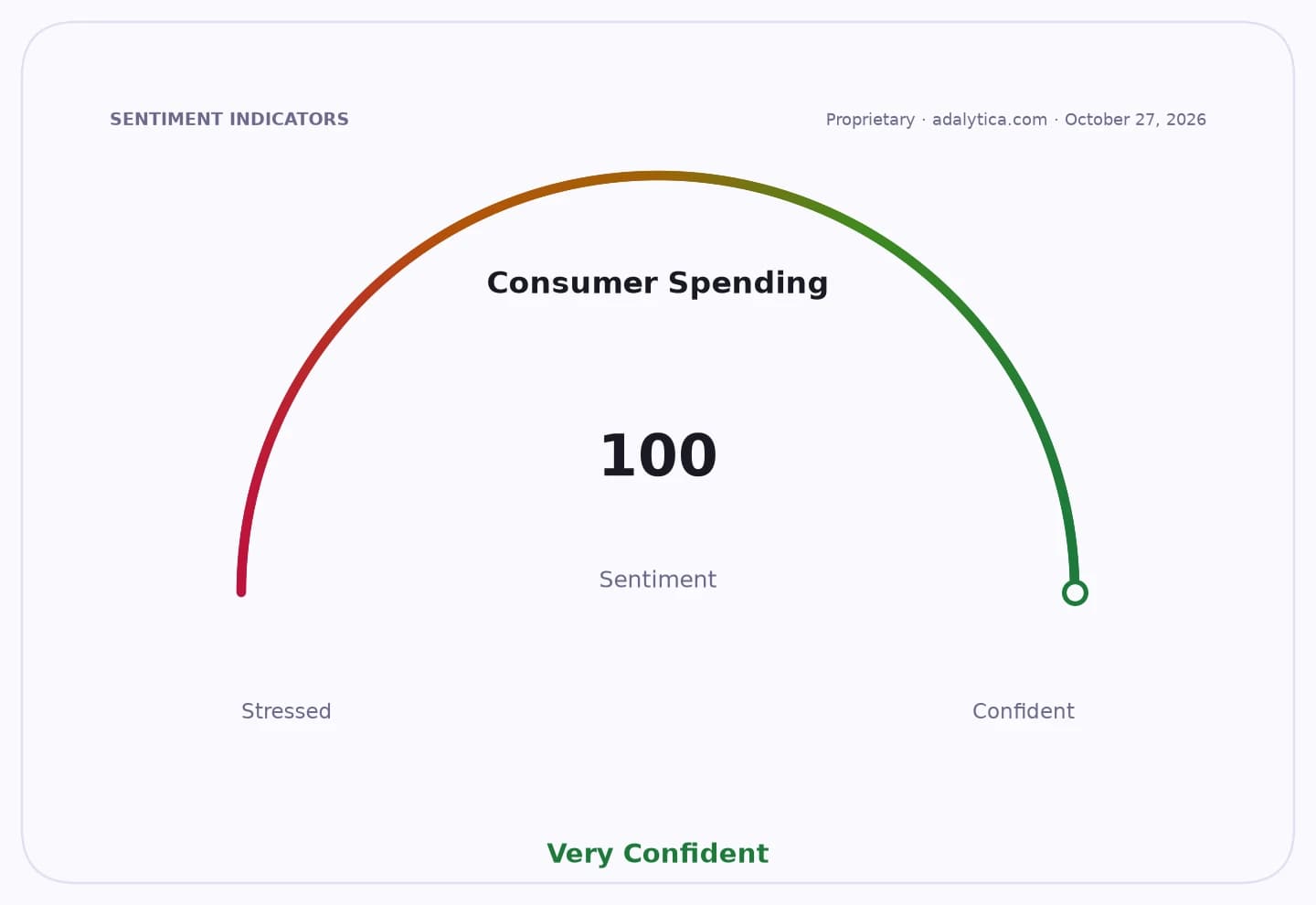
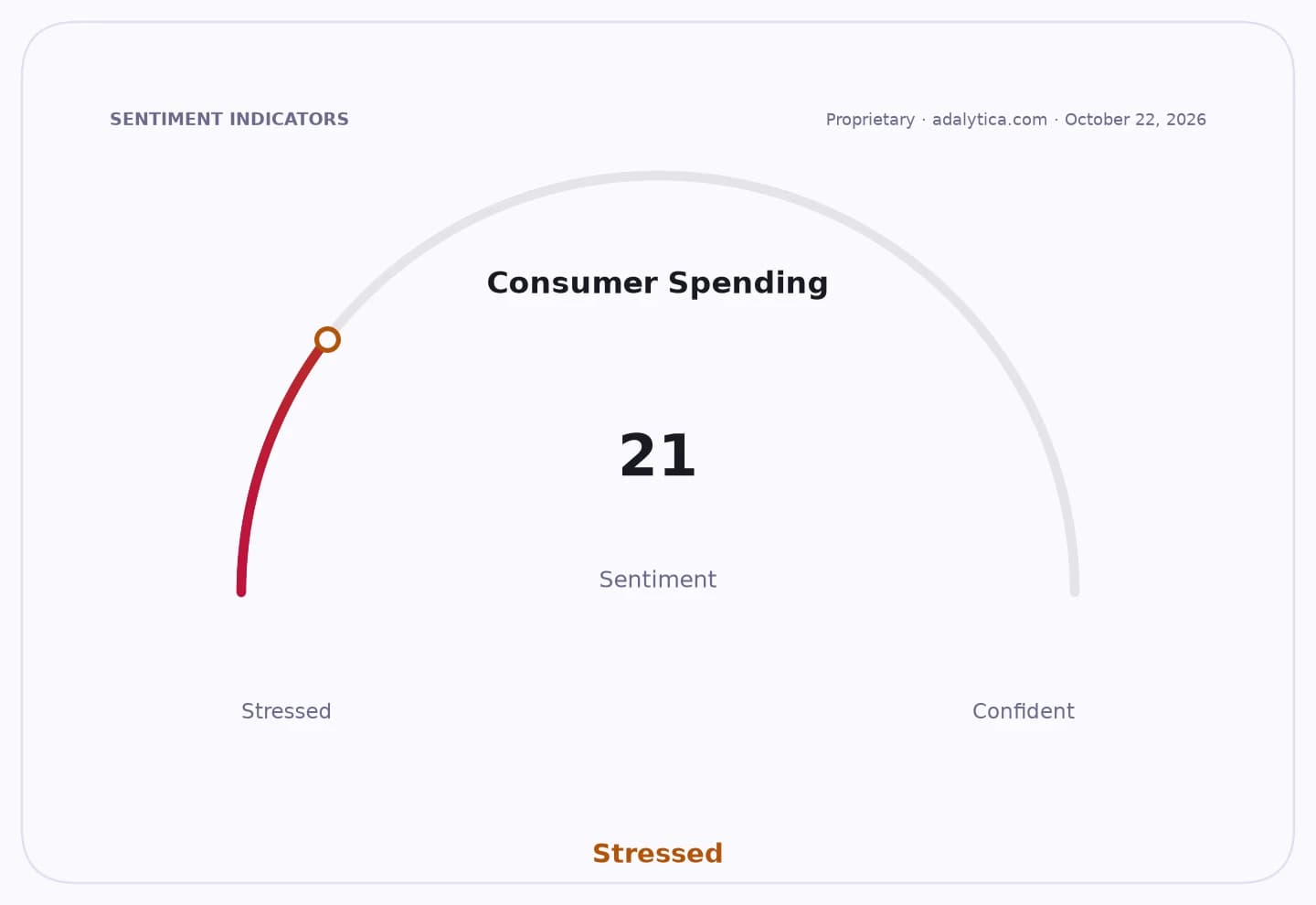
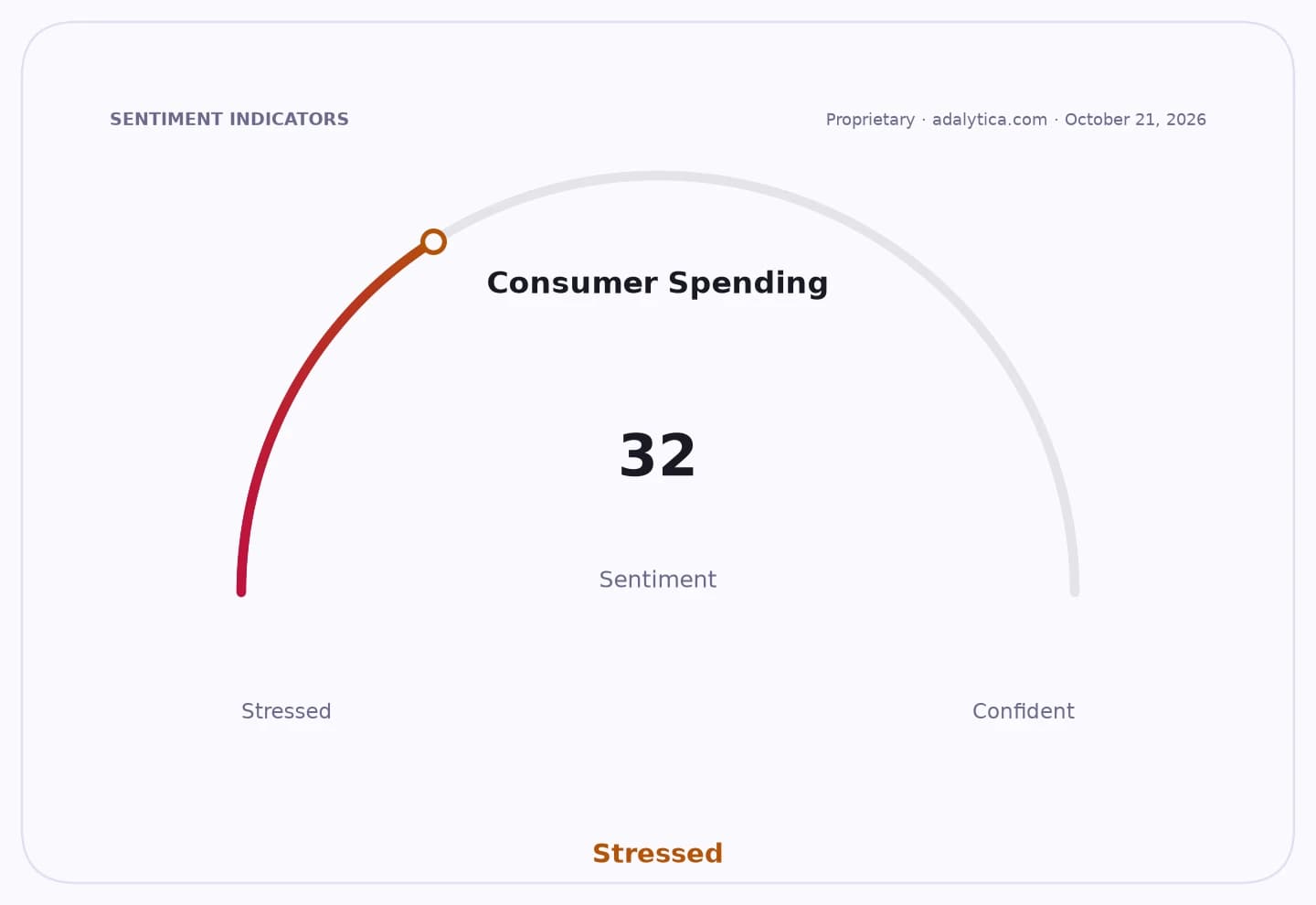
Consumer Spending
Newzoo said 73% of premium gamers now say they are more likely than before to wait for sales, with almost 60% of their game purchases taking place after launch month. The research, based on a survey of 6,166 premium gamers in six countries, suggests that the $70-plus new-release model is facing a more selective customer base that is weighing price against a widening menu of substitutes, including free-to-play titles, remasters, upgrades to existing games and subscriptions.
Sentiment Indicators
That matters because the timing of purchases is as important as the volume. When players defer buying until later in the sales cycle, publishers lose some of the initial pricing power that traditionally supported blockbuster launches and early-margin revenue. The result is a more back-loaded revenue curve, greater dependence on post-launch promotions and a tougher environment for premium titles to sustain full-price demand beyond the first few weeks.
For investors, the implication is straightforward: companies with large console and PC exposure may face more pressure to justify premium pricing, while those with stronger recurring revenue, live-service engagement or deeper back catalogs are better placed to absorb the shift. Take-Two Interactive, for example, derives a substantial share of revenue from console products, making it more exposed to delayed purchases and the discounting cycle than businesses with broader recurring monetization. The stock has also shown marked volatility, underscoring how sensitive the market remains to any change in release cadence or pricing discipline.
The findings also help explain why platform economics remain resilient even as consumer behavior changes. Nearly all premium gamers still buy from official storefronts, according to Newzoo, so the major digital platforms keep their role as the primary point of sale. But the rise of authorized resellers and third-party marketplaces shows that price discovery has become more fragmented, giving consumers more ways to arbitrage timing and discounts.
Subscriptions complicate the picture further. Newzoo said 44% of subscribers buy fewer games after signing up, but the overall effect on spending is less clear-cut than that figure suggests. The key question for publishers is not just whether subscriptions cannibalize unit sales, but whether they redirect spending toward a broader mix of content and keep users engaged longer. That makes subscription economics both a competitive threat and a potential stabilizer, depending on how publishers structure catalog access and launch strategy.
The broader message for the games industry is that the premium market is behaving less like a one-time purchase cycle and more like a managed pricing ecosystem. Publishers that can preserve launch demand, build durable franchises and monetize beyond day-one sales are likely to outperform. Those that rely too heavily on $70 releases may find consumers increasingly willing to wait.
| Entity | Gains | Losses |
|---|---|---|
| Discount hunters | ▲Lower entry prices | ▼Immediate access |
| Publishers of premium games | ▲Longer-tail sales if managed well | ▼Full-price launch demand |
| Digital storefronts | ▲Higher traffic and transaction volume | ▼Less pricing power for new releases |
| Subscription services | ▲More sticky engagement | ▼Fewer standalone game purchases |