Amazon is using Prime Gaming to deepen loyalty with subscribers, and the October lineup of 10 free titles underscores how the company keeps turning membership perks into a retention engine that can matter more than any single game drop.
Amazon Prime Gaming October Free Titles and Retention
The immediate investment case is not about gaming revenue itself. It is about Amazon’s ability to bundle entertainment, shipping, cloud, and retail into a sticky ecosystem that lowers churn and supports recurring spending. In a market where consumer budgets are under pressure and retail competition remains brutal, perks like Prime Gaming help keep Prime valuable enough that households are less likely to cancel — a small behavioral nudge that can translate into meaningful lifetime value across Amazon’s commerce network.
Sentiment IndicatorsⓘProprietary · adalytica.com · October 9, 2026
This is a snapshot — live sentiment, awareness and momentum for 130+ markets update continuously in the dashboard.Open AlphaPulse
This month’s offering is broad enough to hit multiple audiences. Amazon is handing out DOOM from 2016 and Five Nights at Freddy’s: Into the Pit now, then rolling out Conarium, WarBreeds, Caravan SandWitch, Vampire: The Masquerade – Swansong, Ad Infinitum, Time Travel: Escape Room Game, Kiborg and Trash Goblin over the rest of October through Prime Gaming and Amazon Luna. The mix of shooters, horror, adventure and indie titles is deliberate: Amazon is not trying to build a blockbuster gaming business here, but to make Prime feel indispensable across more use cases.
That matters because the market often underrates subscription ecosystem economics. The value of Prime is not just free shipping or streaming; it is the accumulation of small benefits that make cancellation inconvenient. For Amazon, each added layer of engagement can help sustain order frequency, ad exposure, and broader platform usage. For investors, that is why Prime remains one of the company’s most defensible assets even when the headline looks like a giveaway.
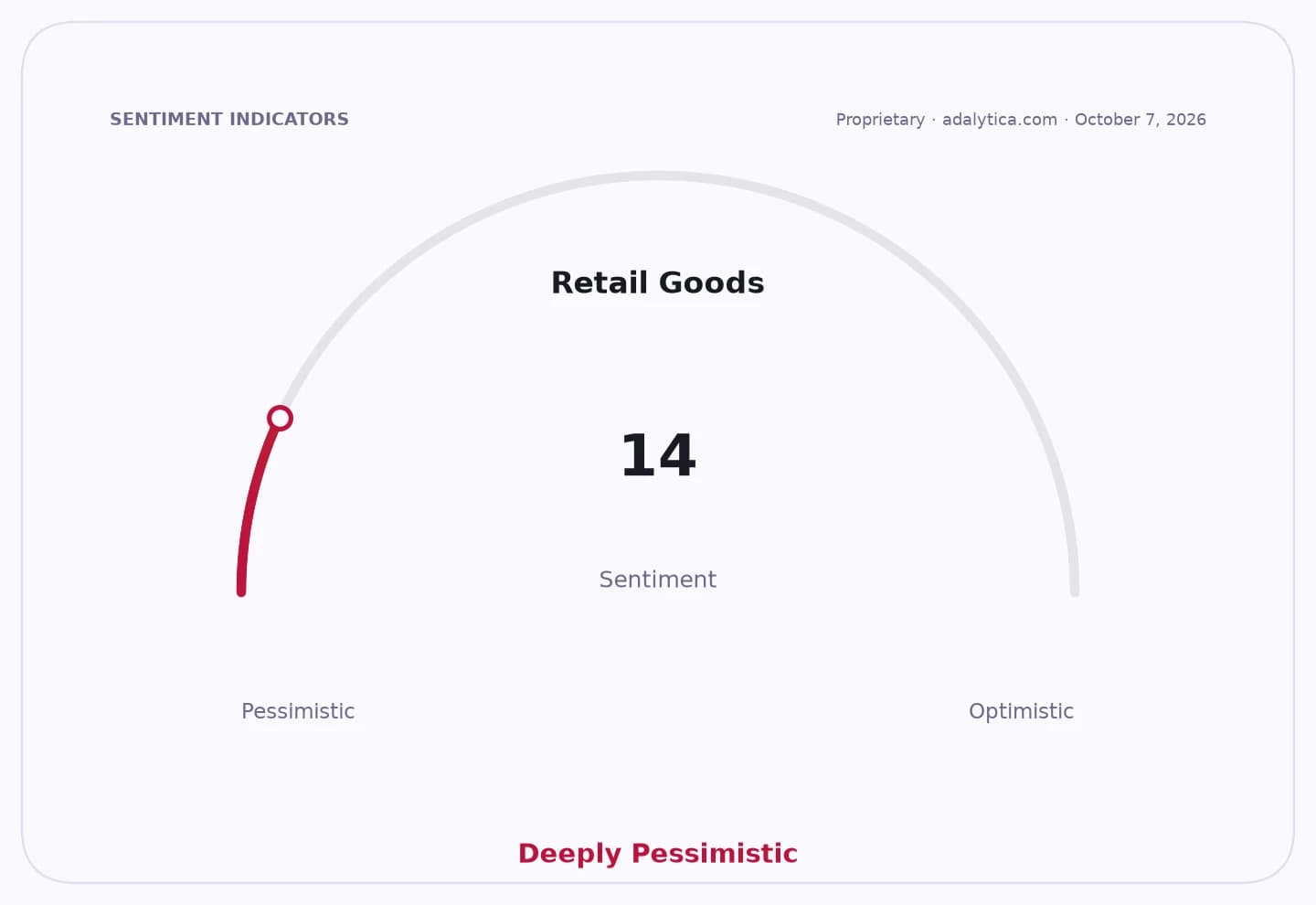
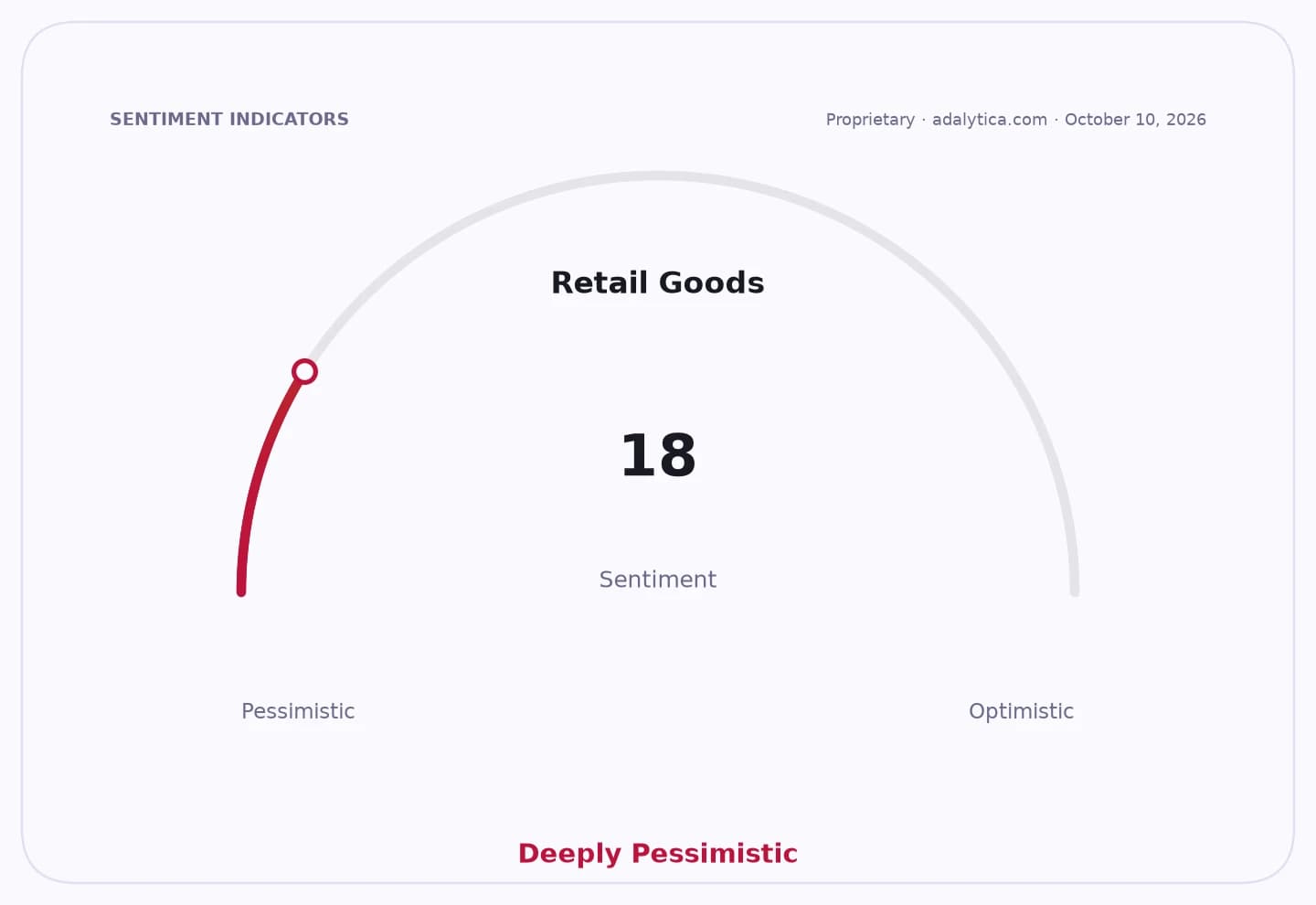
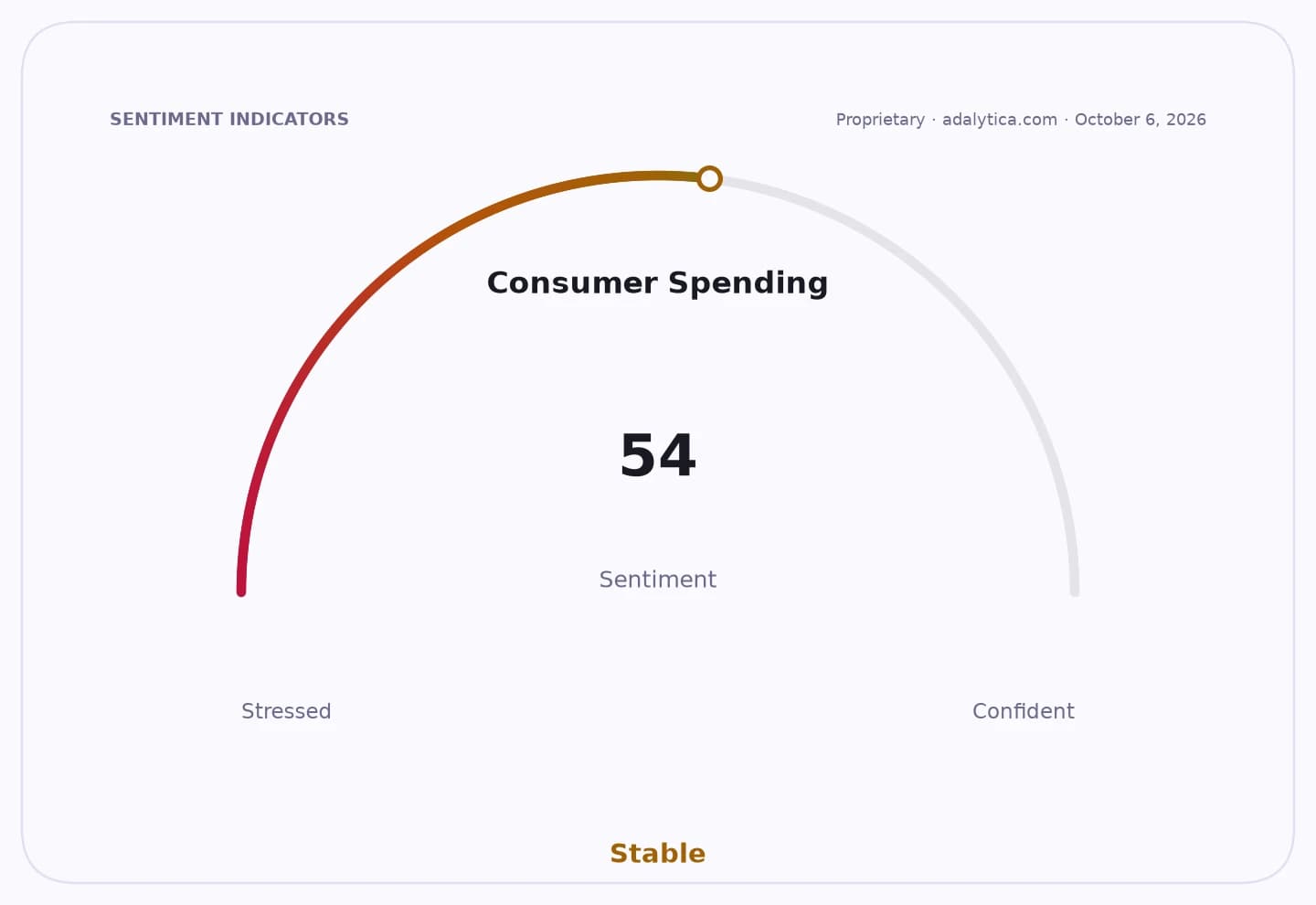
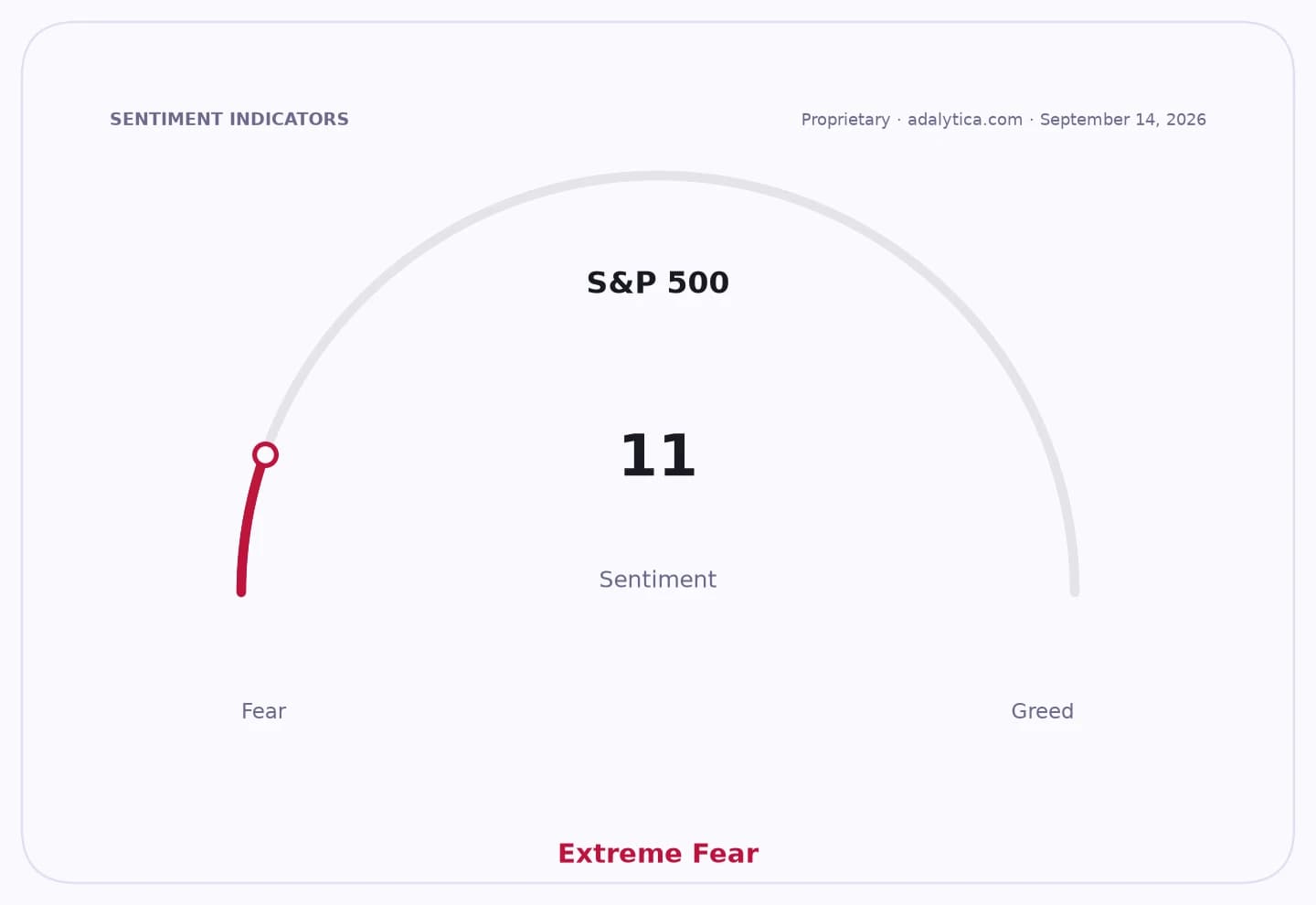
The stock already reflects a company that has regained momentum, with Amazon trading around $258.38 after a volatile year and sitting near its 50-day moving average. Conventional technical indicators show the shares have stabilized after earlier swings, while the broader market backdrop remains constructive: S&P 500 trade signals in Adalytica’s model sit in extreme greed territory, even as consumer-spending sentiment has cooled. That combination suggests investors are still rewarding companies with durable subscription and platform models over pure discretionary exposure.
Best of all, this is a low-cost lever with optionality. Prime Gaming does not need to become a standalone profit center to matter. If it keeps households inside the Prime ecosystem, it supports Amazon’s broader flywheel at a time when every retained member can compound across retail, digital services, and advertising. My view: the market should treat this as another example of Amazon’s hidden operating leverage, not a side note. Investors looking for asymmetric exposure should keep buying the ecosystem, not just the headline retail business.
| Entity | Gains | Losses |
|---|---|---|
| Amazon Prime | ▲Higher retention | ▼Cancellation risk |
| Amazon retail/ads | ▲More engagement | ▼Lower subscription stickiness |
| Prime subscribers | ▲Free game value | ▼Less wallet pressure |
| Rival retailers/streamers | ▲Harder customer capture | ▼More ecosystem competition |