Emera is buying Canadian Utilities in an all-stock deal valued at C$14.3 billion, a transaction that underscores how soaring electricity demand is pushing North American utilities to consolidate and raise their scale for grid and transmission spending.
Emera to buy Canadian Utilities in C$14.3B deal
The combination would create one of Canada’s largest regulated power companies, with an enterprise value of about C$72 billion and Emera shareholders owning roughly 60% of the merged group. Canadian Utilities investors will own about 40% once the deal closes, which is expected in the third or fourth quarter of 2027, pending approvals.
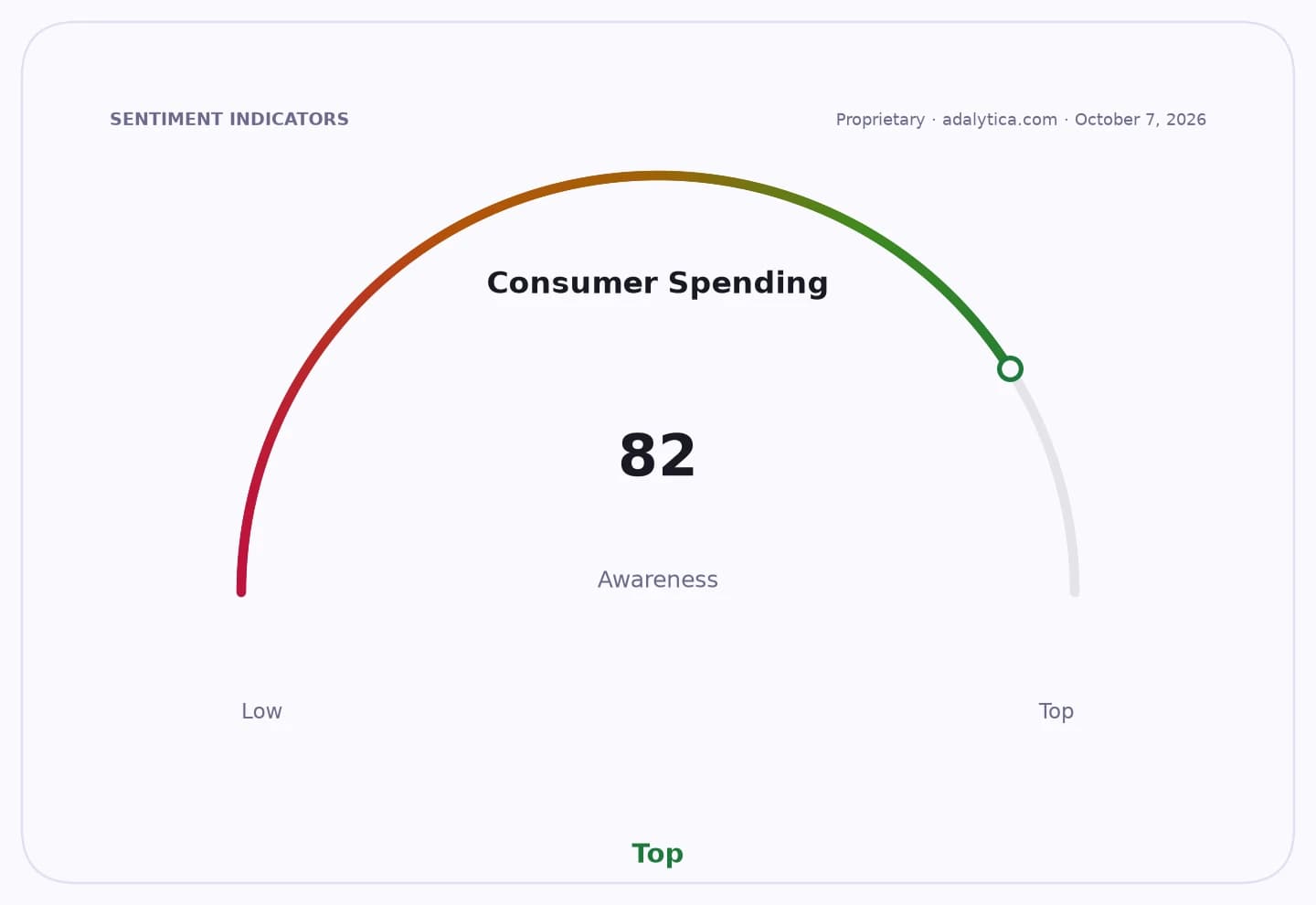
Sentiment IndicatorsⓘProprietary · adalytica.com · October 7, 2026
This is a snapshot — live sentiment, awareness and momentum for 130+ markets update continuously in the dashboard.Open AlphaPulse
For investors, the logic is straightforward: utilities need bigger balance sheets to fund an era of heavy capital spending. Emera said the deal supports a planned $32 billion capital program through 2030 and its expected annual rate-base growth of 7% to 8%, a key metric for earnings growth in regulated utilities.
The acquisition comes as electrification, industrial expansion and rising load from new power users drive more demand for transmission and distribution assets across the continent. That backdrop has made regulated utilities more valuable, while also increasing the pressure to secure financing for grid upgrades and long-cycle infrastructure.
Canadian Utilities’ Class A shares are being valued at about C$51.57 each, only a 0.7% premium to Monday’s close, according to LSEG data, suggesting the market had already priced in much of the transaction logic. Emera shares fell to C$46.49 in Toronto on Wednesday, extending a slide that has left the stock below both its 50-day and 200-day moving averages and with a 14-day RSI of 14, a level that typically indicates the shares are deeply oversold.
The structure also reshapes ATCO, which controls Canadian Utilities through voting shares and nearly 37% of the non-voting stock. ATCO will spin off into a separate publicly traded industrial services company called New ATCO, focused on housing, defense and investments including ports and retail energy.
Scott Balfour, Emera’s president and chief executive, will lead the combined company, which will keep its public headquarters in Halifax. The next catalyst is regulatory scrutiny in Canada, where utility mergers often face close review over rates, competition and investment commitments.
| Entity | Gains | Losses |
|---|---|---|
| Emera shareholders | ▲Bigger scale, higher rate base | ▼Integration risk |
| Canadian Utilities shareholders | ▲Stock-for-stock premium, merger upside | ▼Limited cash takeout |
| ATCO / New ATCO | ▲Clean spinout, sharper focus | ▼Loss of utility ownership |
| Ratepayers / regulators | ▲Potential grid investment | ▼Fewer standalone utility rivals |