The US Environmental Protection Agency is set to scrap most carbon-emissions standards for coal- and gas-fired power plants, a reversal that would ease compliance costs for utilities but raise the odds of higher US power-sector emissions over time.
EPA to Scrap Coal and Gas Power Plant Emissions Rules
The rollback, expected to be announced alongside the G20 energy ministers meeting in Houston, would wipe out Biden-era rules that pushed existing and future fossil-fueled plants to use specific emissions-cutting technologies, including carbon capture and storage. The agency is also moving to erase the federal finding that greenhouse gases from power plants endanger public health — a legal foundation for Clean Air Act climate rules.
Sentiment IndicatorsⓘProprietary · adalytica.com · September 17, 2026
This is a snapshot — live sentiment, awareness and momentum for 130+ markets update continuously in the dashboard.Open AlphaPulse
For investors, the change matters because it reduces the regulatory burden on a sector that remains one of the largest sources of US greenhouse gases and has been forced to weigh expensive retrofit decisions against plant closures. Under the Biden framework, operating coal plants would have needed to capture most carbon emissions by 2039 or shut down, a requirement that had put pressure on older assets and supported spending on carbon-control technology.
The policy shift strengthens the economics of keeping existing coal and gas generation online for longer, especially as Trump’s administration doubles down on domestic energy output and lighter environmental rules. That could benefit power producers and fuel suppliers in the near term, while limiting demand for carbon-capture investments and weakening the case for accelerated coal retirements.
The market read-through is more selective. Energy shares, tracked by the XLE ETF, have risen to 64.11 from 57.31 on Sept. 16 and remain above both the 50-day and 200-day moving averages, while utilities in XLU are softer at 41.71 and sit below both averages. That split reflects a market that favors less regulation and stronger fossil-fuel optionality, even as higher-emissions assets face longer-term policy and litigation risk.
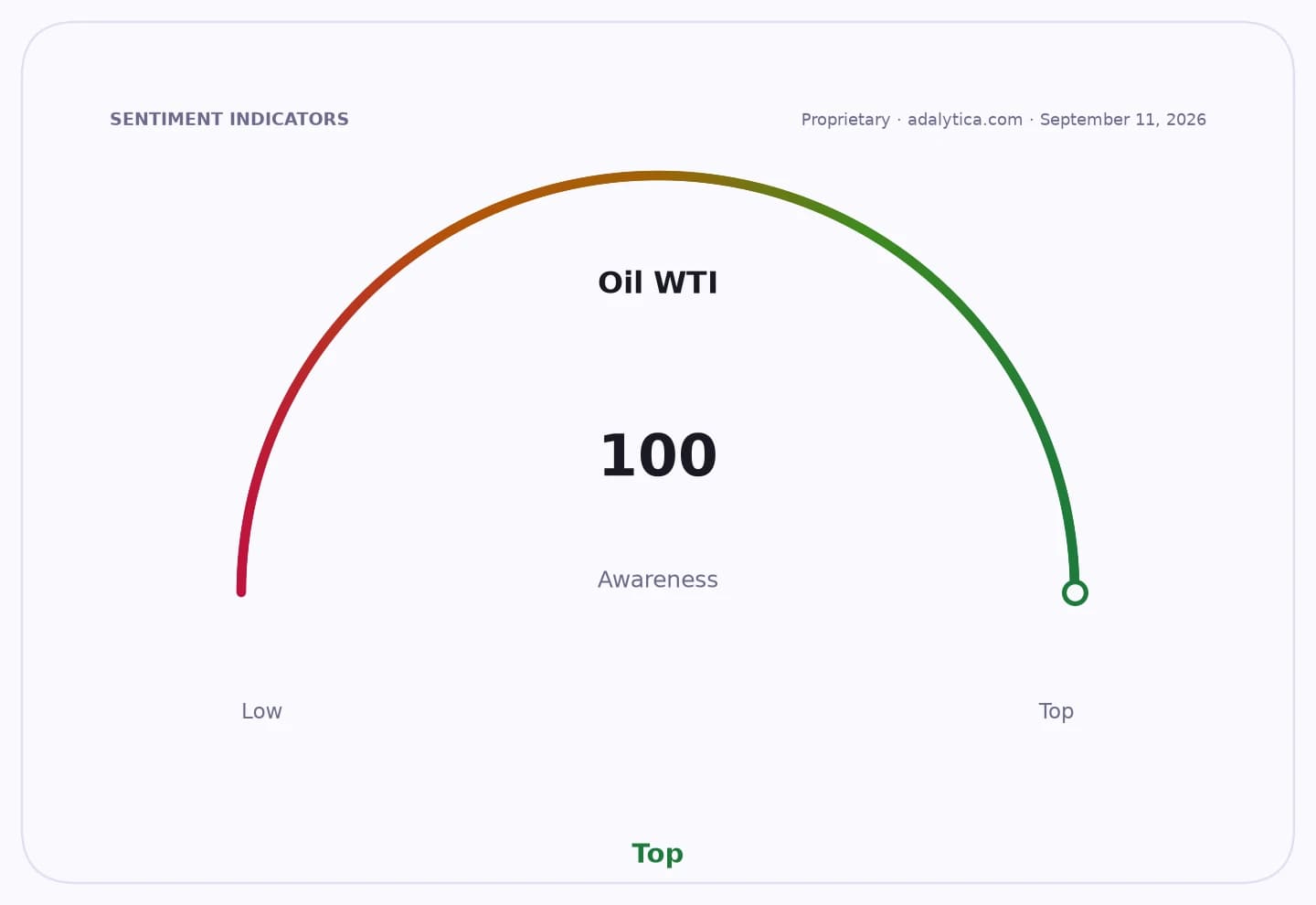
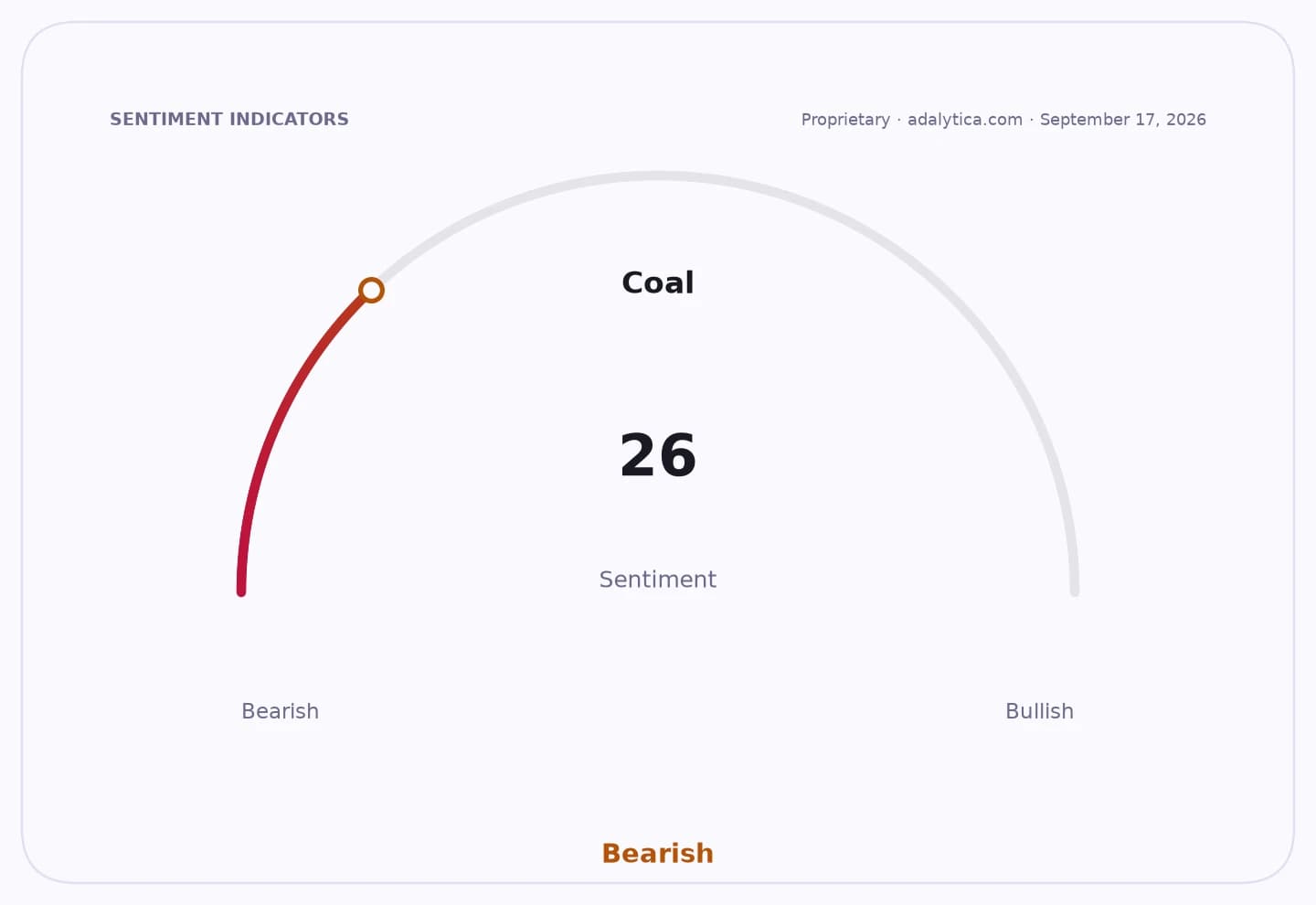
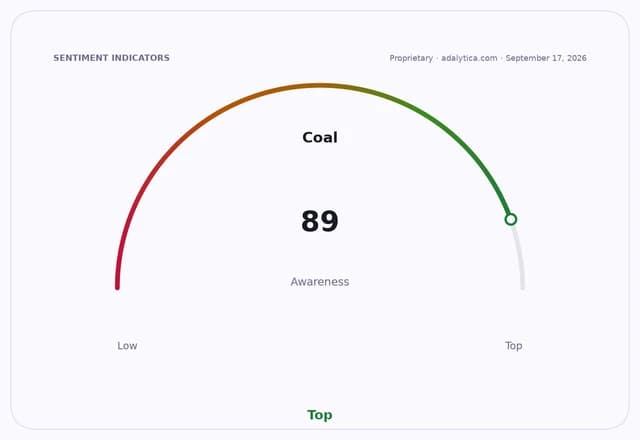
Adalytica’s Coal Fear & Greed Index shows sentiment at 26, or Fear, while awareness is at 89, or Extreme Greed, underscoring how aggressively investors are watching the coal trade around policy shifts. Oil WTI trade signals also show extreme fear even as awareness remains elevated, a sign that investors are still sensitive to energy-policy headlines and supply-demand swings.
The move is part of a broader Trump-era rollback of climate rules, after EPA already moved to dismantle similar standards for vehicles. It also follows years of legal setbacks for federal power-plant climate rules, including the Supreme Court’s rejection of Obama’s Clean Power Plan and the collapse of Trump’s first-term replacement.
For investors, the next catalyst is whether the EPA finalizes the repeal as drafted and whether utilities, coal producers and gas generators adjust capital plans or litigation strategies in response. Any further rollback of federal greenhouse-gas findings would also deepen the shift in favor of conventional generation and against carbon-abatement spending.
| Entity | Gains | Losses |
|---|---|---|
| Coal and gas utilities | ▲Lower compliance costs | ▼Less pressure to cut emissions |
| Carbon-capture vendors | ▲Regulatory tailwind fades | ▼Fewer mandated projects |
| Coal producers | ▲Longer plant run times | ▼Weaker decarbonization pressure |
| Climate advocates | ▲— | ▼Federal emissions rules weakened |