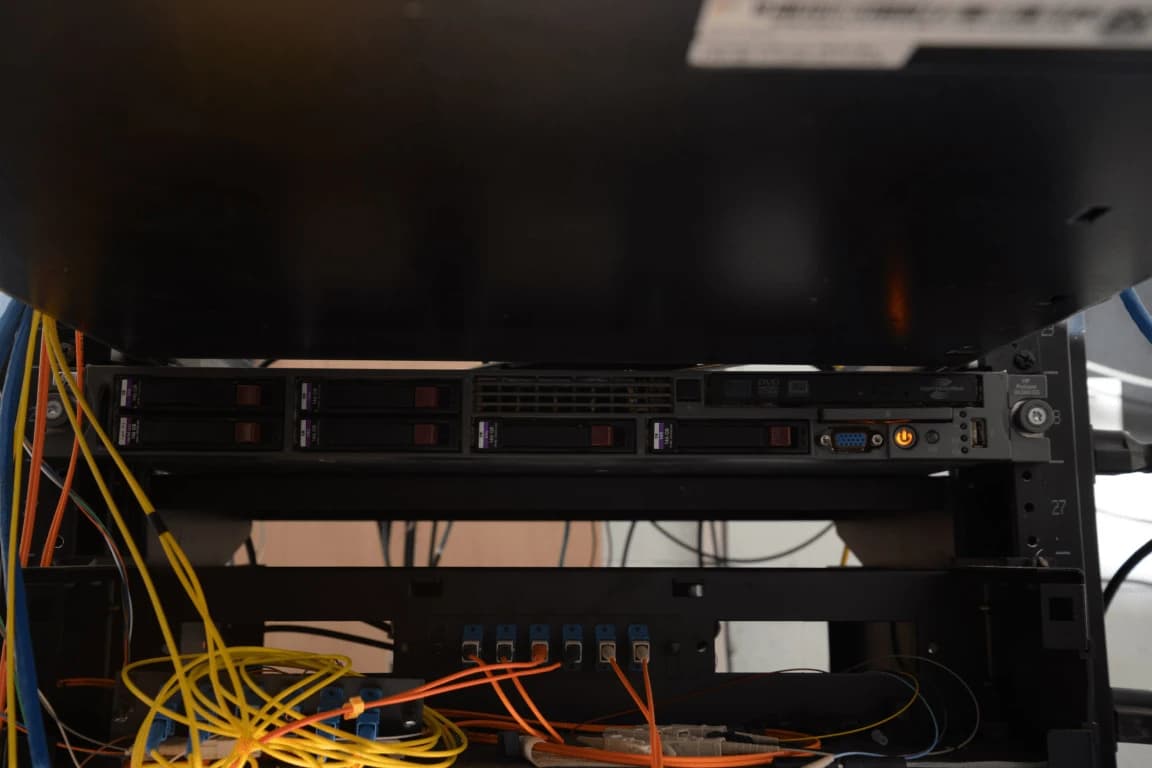
Equifax is showing investors that a long-running pivot away from the U.S. mortgage cycle is starting to pay off, with cloud migration and artificial intelligence helping lift profits even as higher interest rates continue to weigh on housing-related demand.
Equifax profits rise on cloud and AI rollout
The credit bureau’s latest quarterly update underscores why the shift matters economically: a more diversified, software-like model can cushion Equifax against the cyclicality of mortgage origination while improving margins through automation and lower infrastructure costs. That is especially important in a high-rate environment where traditional lending activity remains subdued and data providers tied to real-estate transactions face pressure.
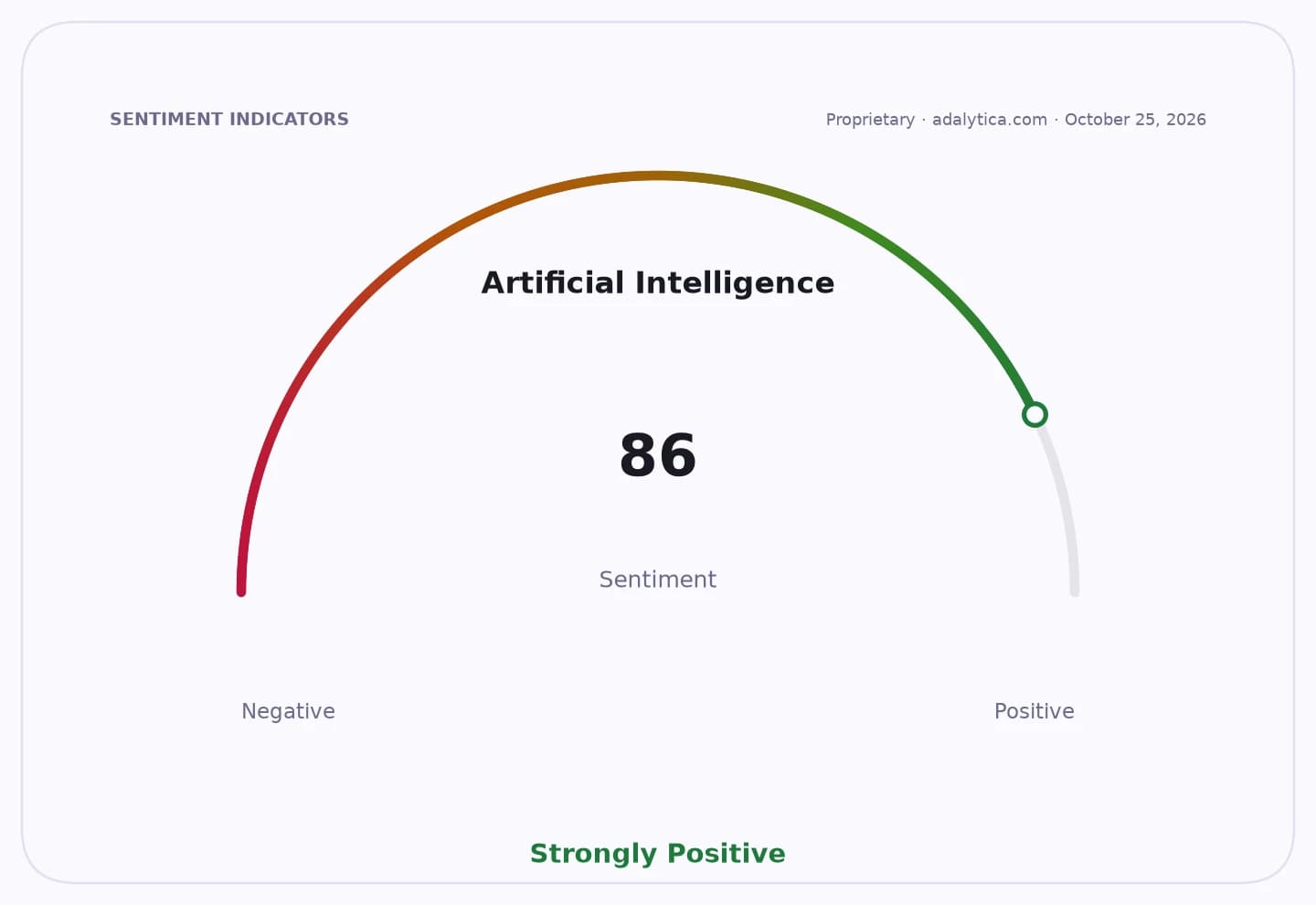
Sentiment IndicatorsⓘProprietary · adalytica.com · October 25, 2026
This is a snapshot — live sentiment, awareness and momentum for 130+ markets update continuously in the dashboard.Open AlphaPulse
According to the company’s reporting, revenue rose 10% to about $1.69 billion, helped by the broader rollout of its data and technology platform. Management has argued that cloud-based systems and AI tools are enhancing product innovation, speeding delivery and supporting profit growth. The filing also showed operating margin in the international business held at 15.8% in the third quarter, while the nine-month margin improved to 12.6% from 11.7% a year earlier, suggesting the benefits of the transition are starting to show through the income statement.
For investors, the significance is twofold. First, the market is likely to reward evidence that Equifax can sustain growth without relying on a rebound in U.S. housing. Second, the stock may be reassessed more like a scaled data and software platform than a cyclical information provider, which would support valuation if margins continue to expand. That also helps explain the recent rebound in the shares after a volatile year: the stock closed at $182.36 on Oct. 23, well above its 50-day moving average of $166.84, though still around the 200-day average of $177.16, a sign the market remains in wait-and-see mode.
The company’s spending pattern also matters. Capital expenditures tied to software development, system reliability and regulatory compliance point to a business still investing heavily to modernize its core architecture. That is a positive for long-term competitiveness, but it also means execution risk remains. If the cloud and AI rollout fails to keep improving throughput and product mix, the margin story could lose momentum.
The broader narrative is that Equifax is trying to convert a legacy credit-data franchise into a higher-growth technology platform. If management can keep decoupling earnings from the mortgage cycle while extracting more efficiency from AI and cloud infrastructure, the bull case for steadier profit growth strengthens. The bear case is that the transformation is capital-intensive and partly dependent on continued demand from lending and consumer finance clients, leaving the stock exposed if rates stay elevated or credit activity softens again.
| Entity | Gains | Losses |
|---|---|---|
| Equifax | ▲Higher margins, less housing dependence | ▼Execution and capex burden |
| Long-term investors | ▲More durable earnings profile | ▼Near-term volatility if growth slows |
| Mortgage-linked peers | ▲Relative pressure from cyclical exposure | ▼Lose share of investor preference |
| Credit bureaus with weaker tech stacks | ▲Need to catch up on cloud/AI investment | ▼Margin and valuation disadvantage |