A major Google Cloud outage in Europe that disrupted banks and digital platforms has underscored the fragility of the infrastructure underpinning artificial intelligence and online commerce, reinforcing the argument that even the largest technology companies remain constrained by energy, territory and state support.
Google Cloud Outage Highlights AI Infrastructure Risk

For investors, the episode matters less as a one-off service failure than as a reminder that cloud dominance is not purely a software story. The data centers, power supplies, transmission networks and regulatory environments that keep cloud services running are becoming as strategically important as the models themselves. That creates both a risk premium for hyperscale operators and an opportunity for countries that can offer reliable electricity, land and political stability.
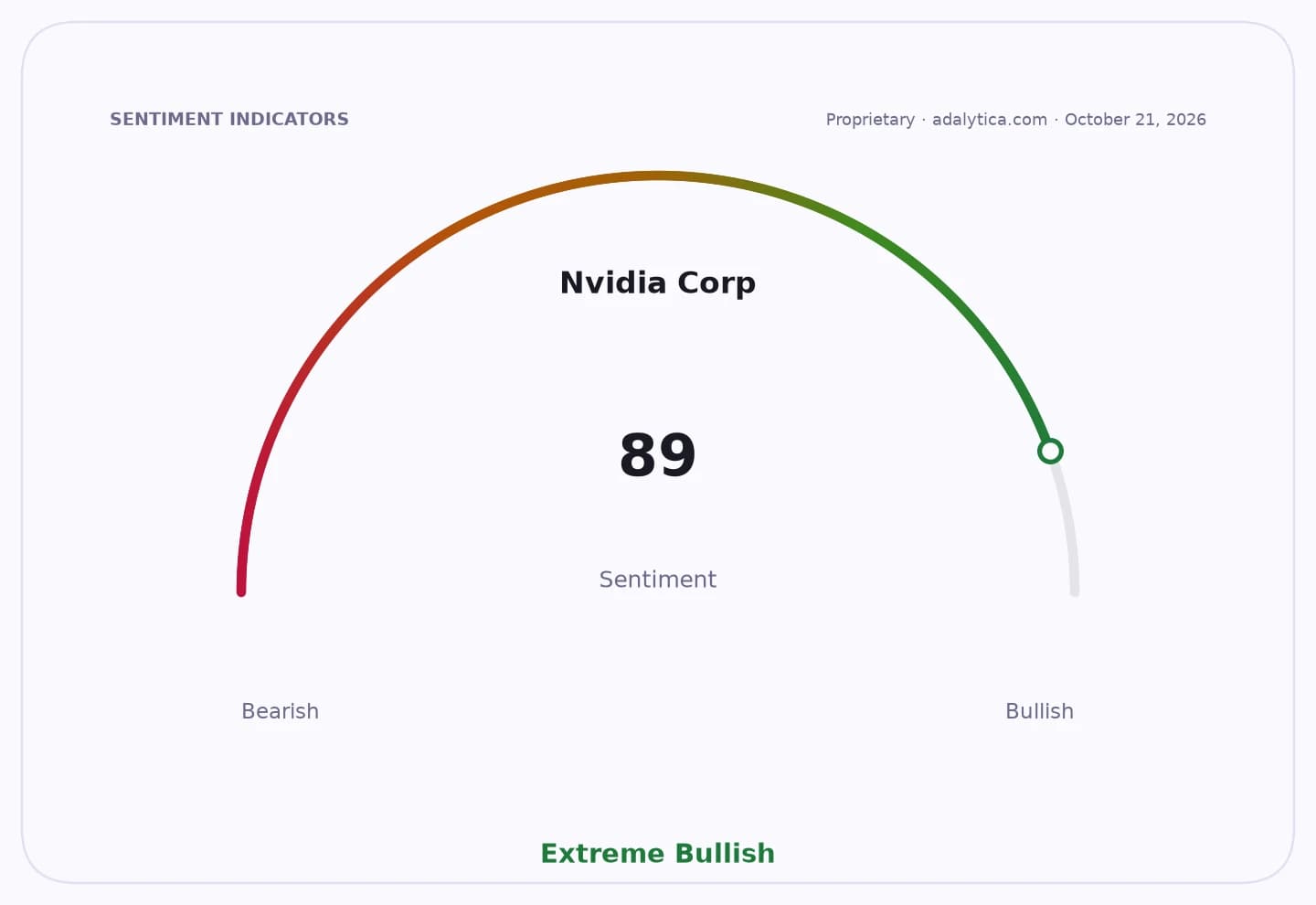
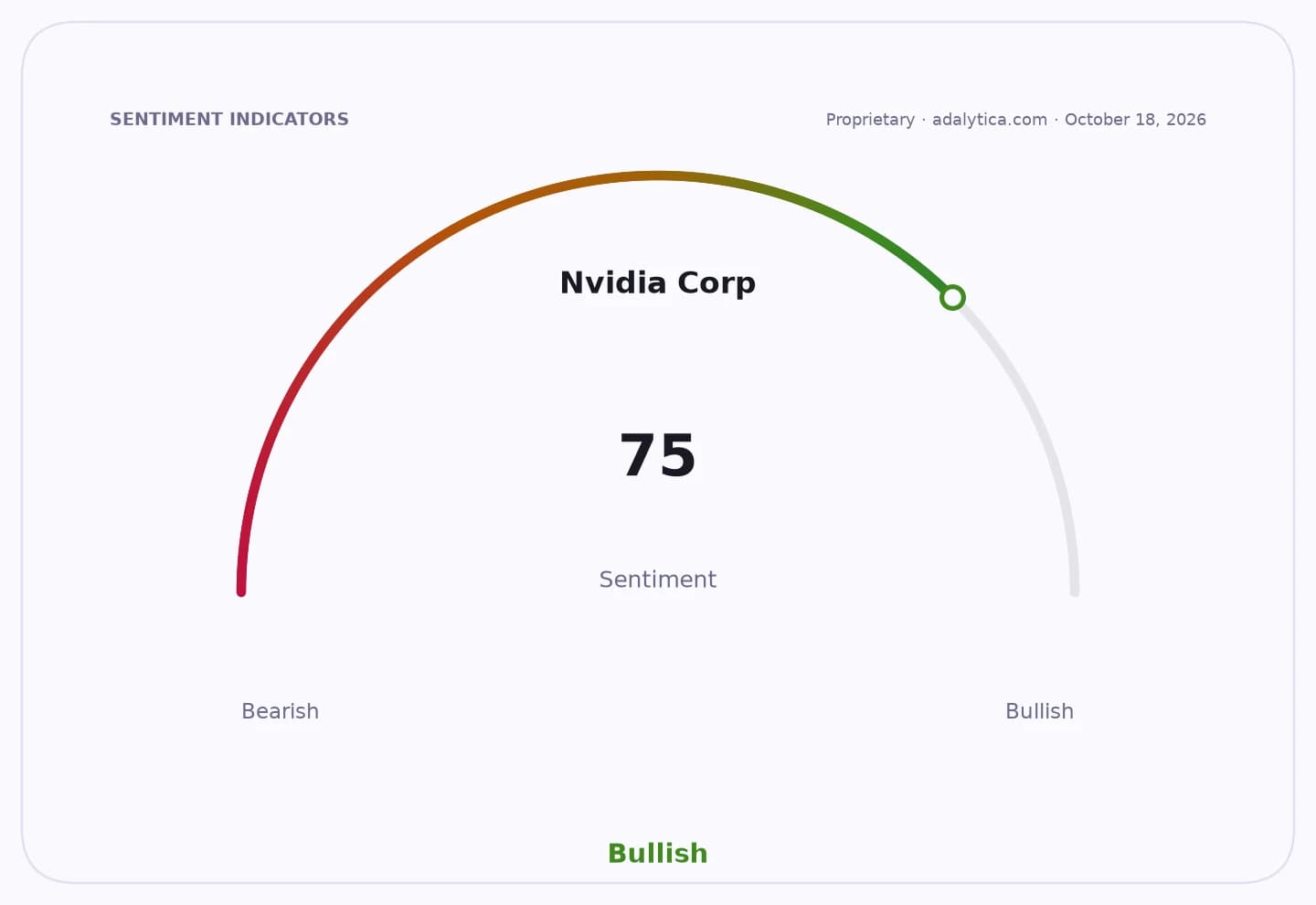
Sentiment IndicatorsⓘProprietary · adalytica.com · October 20, 2026
This is a snapshot — live sentiment, awareness and momentum for 130+ markets update continuously in the dashboard.Open AlphaPulse

The outage hit customers including Revolut and HSBC, highlighting how concentrated the cloud market has become and how quickly operational failures can ripple into finance and digital services. In an economy increasingly built on always-on infrastructure, even short interruptions can translate into transaction delays, reputational damage and contingency spending as clients diversify vendors or strengthen backup systems.
That is the backdrop for the broader thesis advanced by Chilean researcher Rodrigo del Río Joglar, who argues that the cloud “does not float” and that tech power depends on physical inputs as much as on algorithms. His view is that the geopolitical competition between the U.S. and China will shape where the next wave of digital infrastructure is built, who controls it and which countries capture the economic rents.
Uruguay stands out in that framework because of its electricity profile, institutional stability and potential to position itself as a neutral hub for cloud and AI infrastructure. Del Río’s call for alliances with Pacific-facing partners reflects a larger realignment in which smaller economies seek to avoid overdependence on either Washington or Beijing while bargaining for investment, technology transfer and industrial activity tied to data centers and compute capacity.
The market implication for big tech is straightforward: cloud growth still looks structurally attractive, but it is becoming more capital-intensive and politically exposed. Microsoft, Amazon and Alphabet all continue to trade on the expectation that AI demand will justify heavy infrastructure spending. Microsoft shares, at $532.15, remain well above their 200-day moving average of $434.61, while Alphabet at $341.49 is slightly above its 200-day average of $340.85 and Amazon at $262.87 is also above its 200-day average of $243.07, suggesting investors still see long-term earnings power despite operational and regulatory risks.
But technical readings also show the market is no longer pricing these names as straight-line winners. Microsoft’s RSI was 62.5 and Alphabet’s 47.3, while Amazon’s 62.8 pointed to a more balanced setup after recent gains. That fits a narrative in which investors remain constructive on AI infrastructure spend, but are increasingly alert to execution risk, power constraints and the possibility that outages or bottlenecks slow the pace of cloud monetization.
The bull case is that the outage is manageable, cloud demand remains resilient and the infrastructure build-out itself becomes a barrier to entry that entrenches the largest players. The bear case is that recurring failures, energy shortages or tighter scrutiny from governments force higher capex, lower margins and more customer multi-cloud adoption. For countries like Uruguay, the prize is to become part of the solution: a location where energy, neutrality and logistics can convert digital dependence into bargaining power.
| Entity | Gains | Losses |
|---|---|---|
| Uruguay | ▲Data-center investment | ▼Dependence on U.S./China |
| Big tech cloud providers | ▲Infrastructure demand | ▼Outage-related scrutiny |
| Banks and digital platforms | ▲Diversified resilience | ▼Service disruptions |
| Investors in AI infrastructure | ▲Long-term build-out | ▼Margin pressure from capex |