The U.S.-China technology fight is widening into telecom infrastructure, with Washington backing Ericsson and Nokia as alternatives to Huawei in Africa and other emerging markets, a push that matters because control of mobile networks can shape everything from data flows to long-term geopolitical leverage.
Ericsson and Nokia Gain on Huawei Africa Push

The clearest market read-through is that Western vendors are getting a policy tailwind just as U.S.-China tensions around AI, chips and telecoms harden. That matters economically because network equipment is a capital-intensive, multi-year market: once an operator locks in a supplier, the hardware, software and maintenance revenue can last for years, making the race for new contracts strategically and financially important.
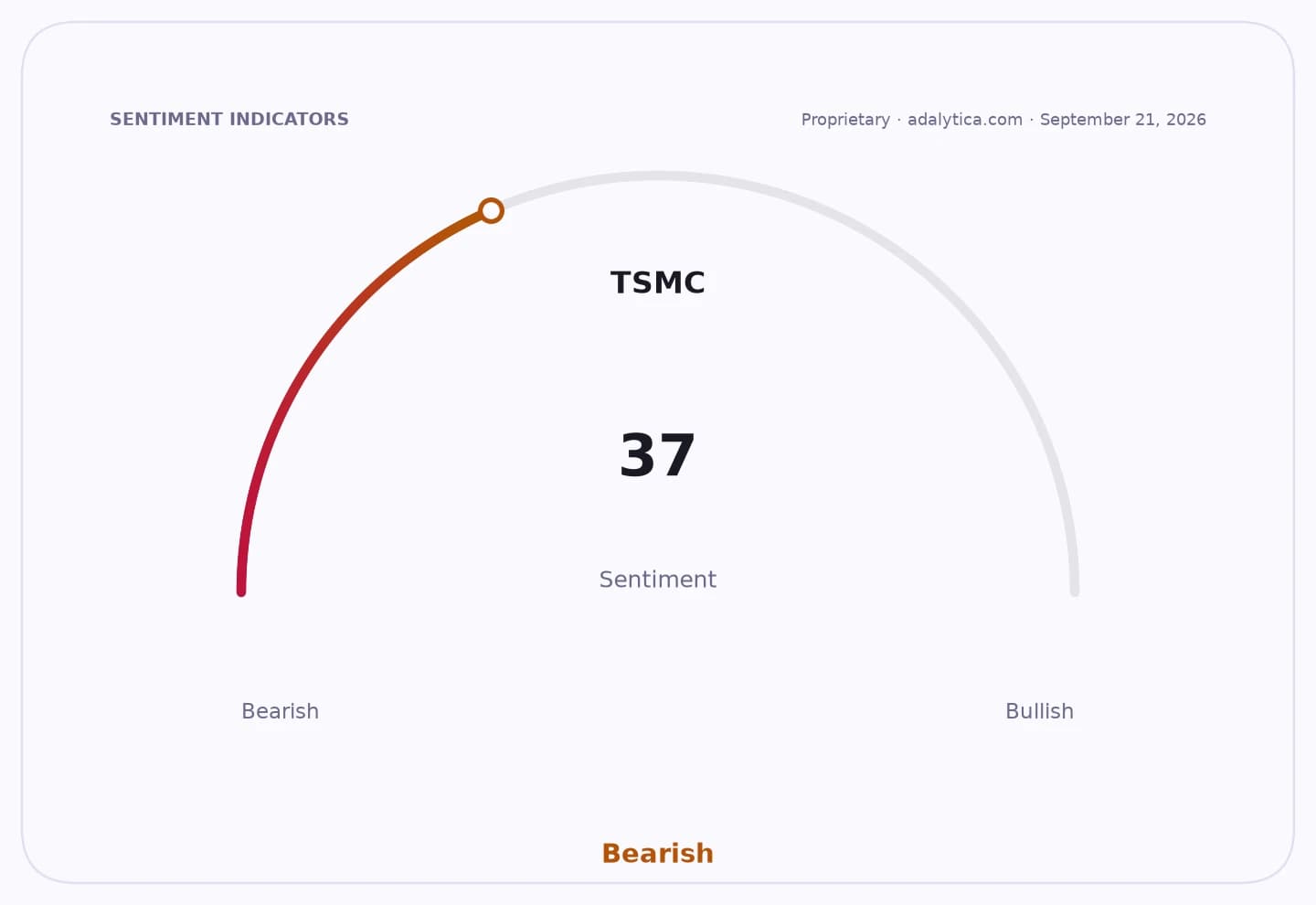
Sentiment IndicatorsⓘProprietary · adalytica.com · September 14, 2026
This is a snapshot — live sentiment, awareness and momentum for 130+ markets update continuously in the dashboard.Open AlphaPulse
Ericsson shares have climbed to $10.31 from $9.71 over the latest cited stretch, while Nokia rose to $11.13 from $10.76, with both stocks trading above their 50-day moving averages. Ericsson’s relative strength is more stretched, with its RSI at 53.1 after earlier running as high as 78, while Nokia’s RSI is 63.8, suggesting investor interest remains firm without the kind of extreme overbought signal seen earlier in the rally.
The broader backdrop is a renewed hardening in U.S.-China relations across technology. Adalytica’s U.S.-China Relations Sentiment gauge is at 96, or “Extreme Greed,” even as awareness remains low at 30, underscoring how quickly the issue can flare without a corresponding broad market focus. At the same time, Adalytica’s S&P 500 Trade Signals show “Extreme Fear,” a reminder that geopolitics is colliding with already fragile risk appetite.
For investors, the key question is whether Washington’s effort to steer operators away from Huawei becomes a durable procurement shift or a one-off political statement. If it sticks, Ericsson and Nokia stand to gain share in markets where buyers want to reduce exposure to Chinese vendors; if it fizzles, the incumbency and pricing power of Huawei remains intact.
The next catalyst is whether more carriers, including in Africa, move to publicize vendor switches or award fresh contracts, and whether U.S. policy turns into financing support that can offset Huawei’s cost advantage.
| Entity | Gains | Losses |
|---|---|---|
| Ericsson | ▲Western-vendor contract wins | ▼Huawei share in emerging markets |
| Nokia | ▲Network equipment demand | ▼Chinese telecom suppliers |
| U.S. policymakers | ▲Tech leverage abroad | ▼China’s infrastructure influence |
| Africell and other carriers | ▲Financing and vendor options | ▼Lower-cost Huawei equipment |