Loneliness is becoming a business model, and the clearest market winners so far are companies selling beauty, travel and digital companionship. The broader question for investors is whether that spending is durable or just a post-shock reaction to social isolation, because the theme cuts across consumer confidence, discretionary budgets and how brands position themselves against a still-fragile backdrop.
Estée Lauder, Expedia, Match Rally on Loneliness Trade
That makes the so-called loneliness economy economically relevant well beyond a wellness trend. If consumers are using cosmetics, trips, dating apps and other connection services as substitutes for social contact, demand can hold up even when sentiment weakens. But it also means these categories may be more cyclical than their marketing suggests, especially if households pull back once the emotional premium fades or real incomes tighten.
Sentiment IndicatorsⓘProprietary · adalytica.com · September 6, 2026
This is a snapshot — live sentiment, awareness and momentum for 130+ markets update continuously in the dashboard.Open AlphaPulse
The market is already rewarding the exposure. Estée Lauder shares have climbed to $103.86 from $82.15 in May, while Expedia has risen to $298.04 from a February low of $187.43 and Match Group has more than halved its earlier weakness, trading around $41.86 after falling below $29 in February. All three have recovered above their 200-day moving averages, a conventional technical marker that often accompanies a stronger trend. Expedia’s latest price remains below its recent August peak near $329, but the stock is still far above where it traded through much of the first half of the year.
The operating backdrop helps explain why. Expedia’s latest filing showed lodging revenue up 13% in the second quarter, while its advertising and “other” revenue lines also grew as travelers kept spending on trips and experiences. Match has been cutting costs while still lifting sales and marketing, betting that dating demand remains sticky even in a softer consumer environment. Estée Lauder, meanwhile, has benefited from renewed appetite for consumer-facing brands tied to self-image and status, a dynamic that can be amplified when people spend more time and money on personal presentation.
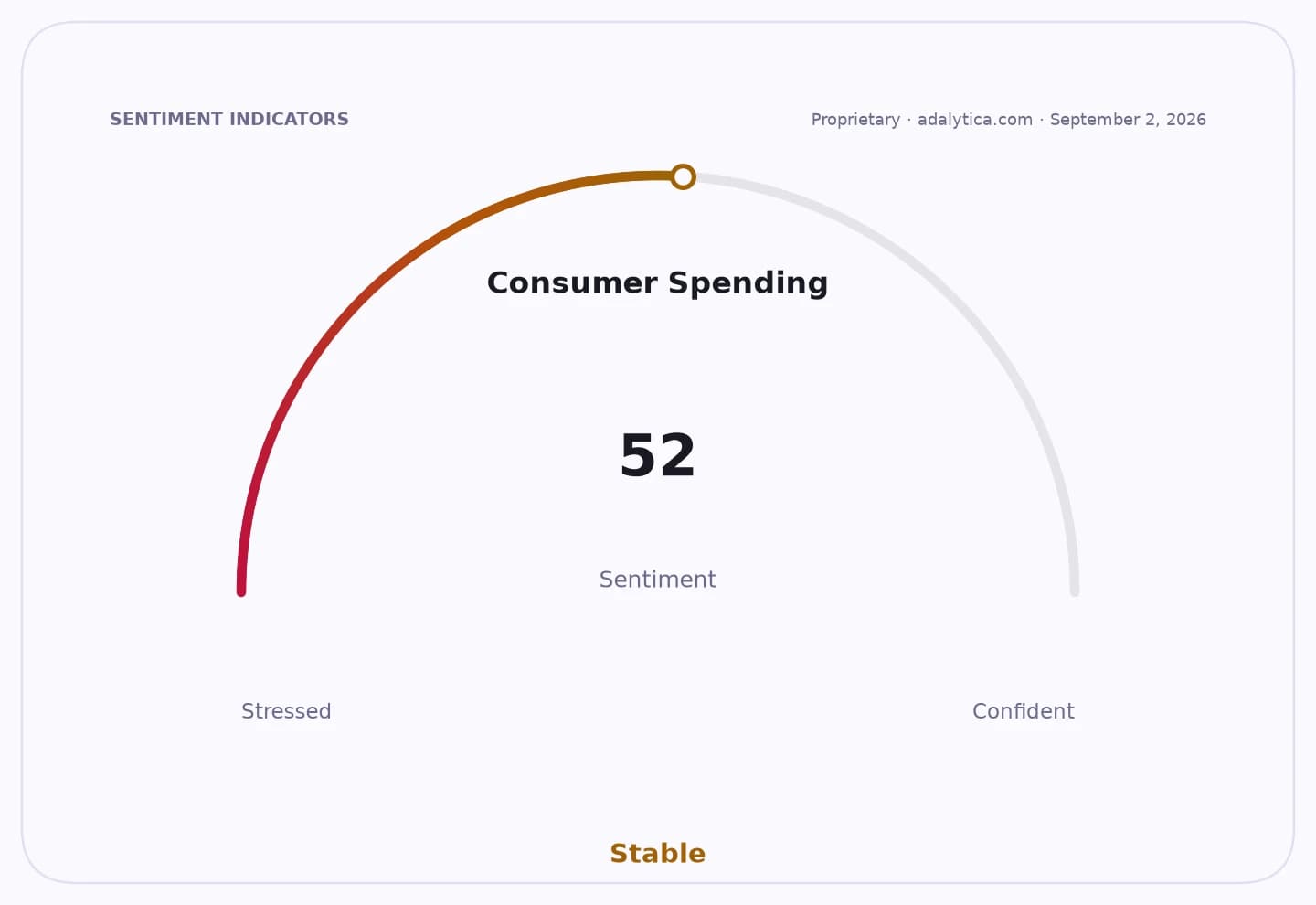
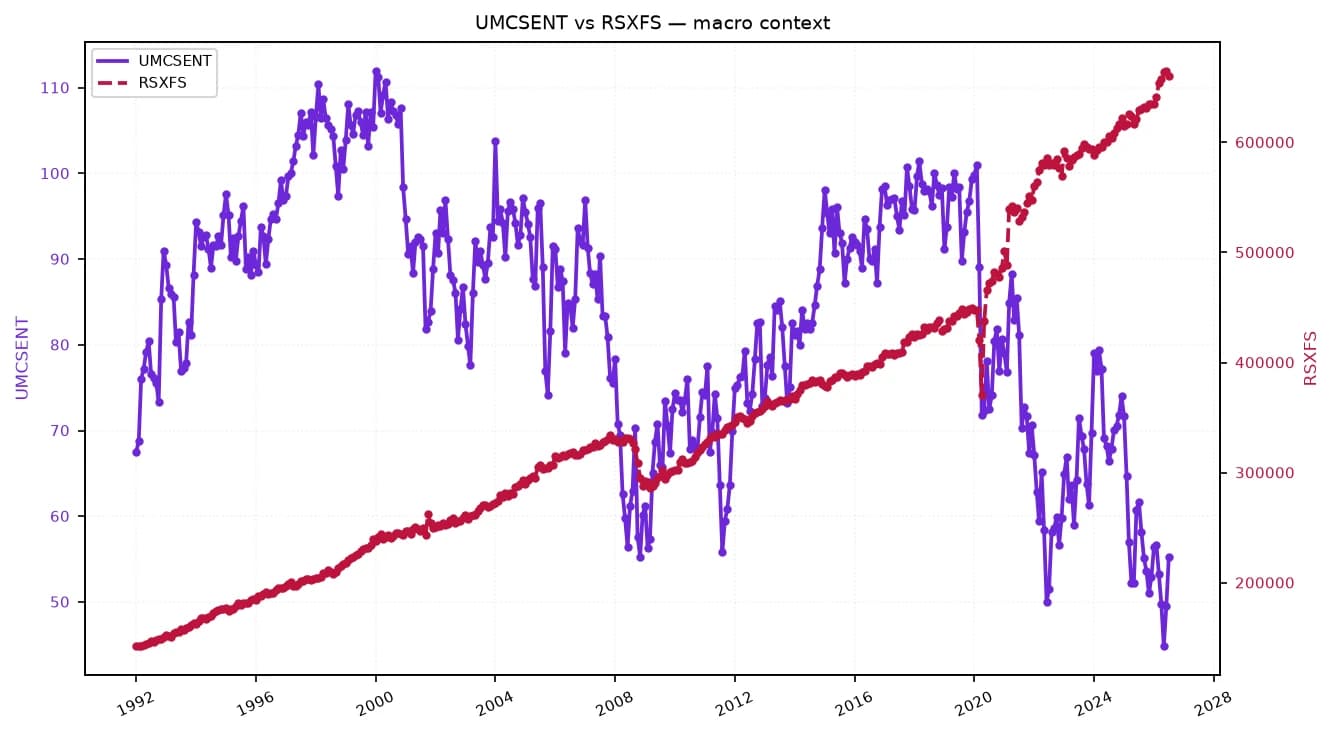
There is also a macro layer. Adalytica’s consumer spending sentiment gauge has sunk into “Fear” at 22, with consumer confidence in “Extreme Fear” at 4, underscoring how narrow the current support for discretionary spending may be. That combination is unusual: households are anxious, yet some of the most emotionally driven categories are outperforming. For investors, that points to a split market in consumer goods, where companies that can monetize aspiration, comfort or intimacy may keep taking share even if broader spending slows.
The bullish case is that these behaviors are not a fad but a durable shift in consumption, with loneliness creating repeat demand for products and services that promise connection, confidence or escapism. The bearish case is that these are precisely the categories most vulnerable when consumers reassess nonessential spending, because the emotional rationale can disappear faster than the bills.
For now, the loneliness trade looks real enough to matter. The next test is whether it survives when the market stops paying up for resilience and starts demanding proof that these companies can grow without leaning on a fragile consumer mood.
| Entity | Gains | Losses |
|---|---|---|
| Estée Lauder | ▲Beauty demand tied to self-image | ▼Bargain hunters if demand fades |
| Expedia | ▲Travel and experience spending | ▼Consumers cutting discretionary trips |
| Match Group | ▲Digital companionship demand | ▼Alternative social platforms and churn |
| Wary consumers | ▲Emotional utility from spending | ▼Household budgets under pressure |