Ethereum’s scarcity premium over Bitcoin is weakening just as traders are asking whether ETH can still regain ground against BTC.
Ethereum burn slows as ETH/BTC debate continues
Ethereum
The most important shift is not that Ethereum has lost its burn mechanism, but that the mechanism is contributing far less to the bull case than it did after the merge. Roughly 55.4% of newly issued ETH has been burned since the upgrade, but only 2.7% has been burned over the past 30 days, according to the data supplied. That has lifted ETH’s annual supply growth to 0.86%, almost matching Bitcoin’s 0.82%, eroding one of the clearest arguments for Ethereum’s relative outperformance.
Sentiment Indicators
For investors, that matters because ETH’s long-running pitch has depended on a combination of monetary scarcity and network utility. If the deflationary story fades, Ethereum needs something else to justify a stronger ETH/BTC ratio. That something is increasingly its Layer 1 block space. But here too the signal is mixed: gas prices have collapsed from 2.76 Gwei to 0.03 Gwei in two days, which lowers transaction costs but also raises the possibility that demand for block space is softening rather than strengthening.
The counterargument is that cheap gas can coexist with deeper usage if activity is broadening. CryptoQuant data shows Ethereum velocity at 11.03, implying active circulation on the network, while active addresses have reached 627,000, a sign of sustained participation. Those figures suggest Ethereum is still being used, even if the fee market is not repricing that use aggressively. In a market where investors have punished tokens that rely on narrative rather than throughput, a credible case for ETH still hinges on whether utilization can offset weaker burn economics.
Technical and positioning data support that cautious bullish case, even as the chart remains fragile. Bitfinex whales have been adding ETH longs, and Santiment data showed a net outflow of about 169,000 ETH from exchanges, the largest daily withdrawal in more than four months. That kind of move can tighten supply if it persists, especially when combined with the possibility that more traders are moving coins into cold storage rather than preparing to sell into strength.
The price action, however, is still telling a story of strain. ETH is trading around $2,248, below both its 50-day moving average near $2,520 and its 200-day moving average around $2,158, leaving it in a technically precarious zone. The RSI at 30.5 points to a market that is still close to oversold conditions rather than confirming a strong trend reversal, while the MACD remains negative. Bitcoin is also weak, trading near $77,371 and below its 50-day average of about $81,895, but ETH has not yet shown convincing relative strength against it.
That leaves the ETH/BTC breakout debate unresolved. The bull case is that Ethereum is entering a phase where real network usage, whale accumulation and exchange outflows could create a supply squeeze once broader crypto sentiment improves. The bear case is that without a stronger burn rate, Ethereum’s valuation premium over Bitcoin is harder to defend, especially if lower fees are a sign of thinner demand rather than efficiency.
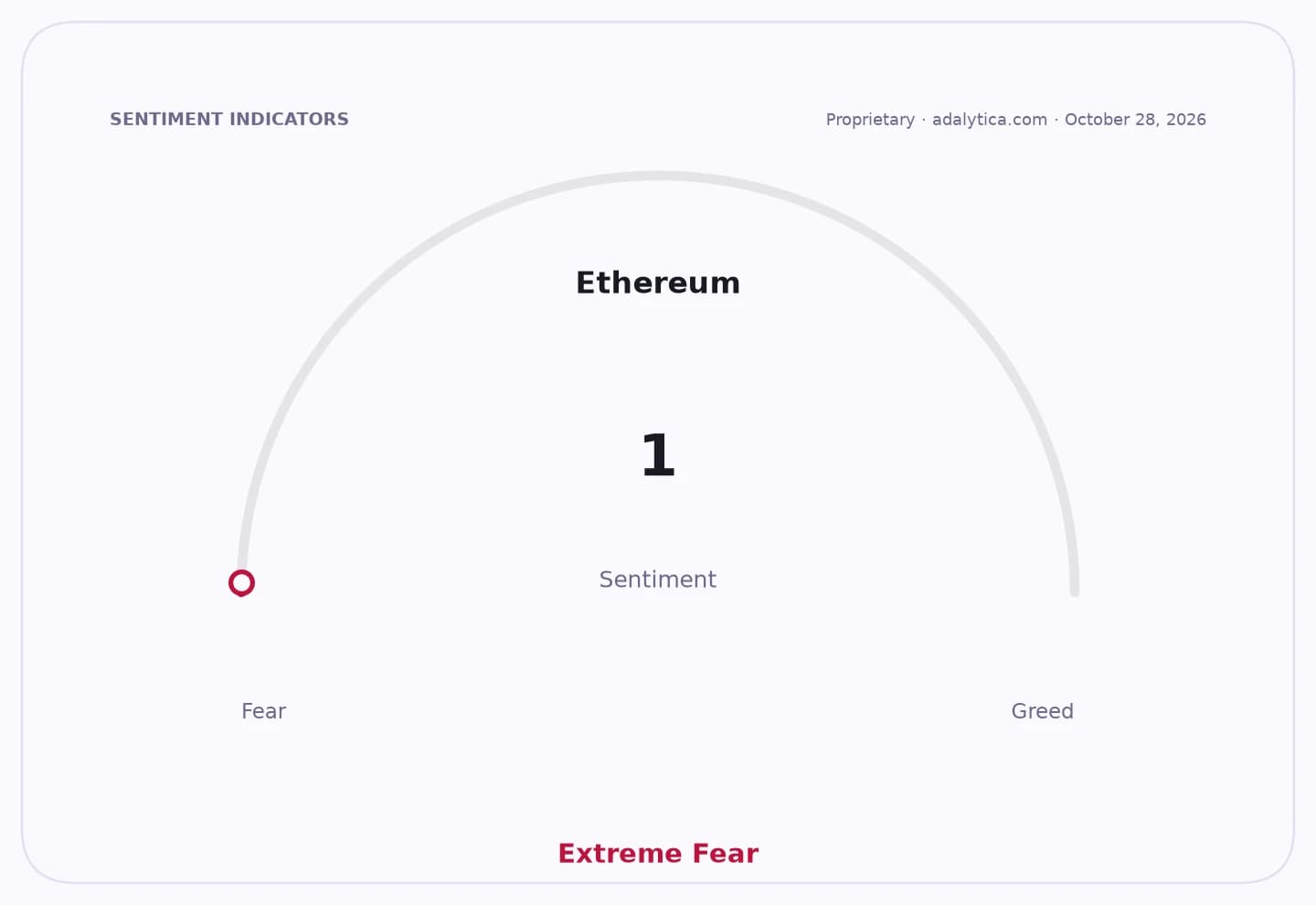
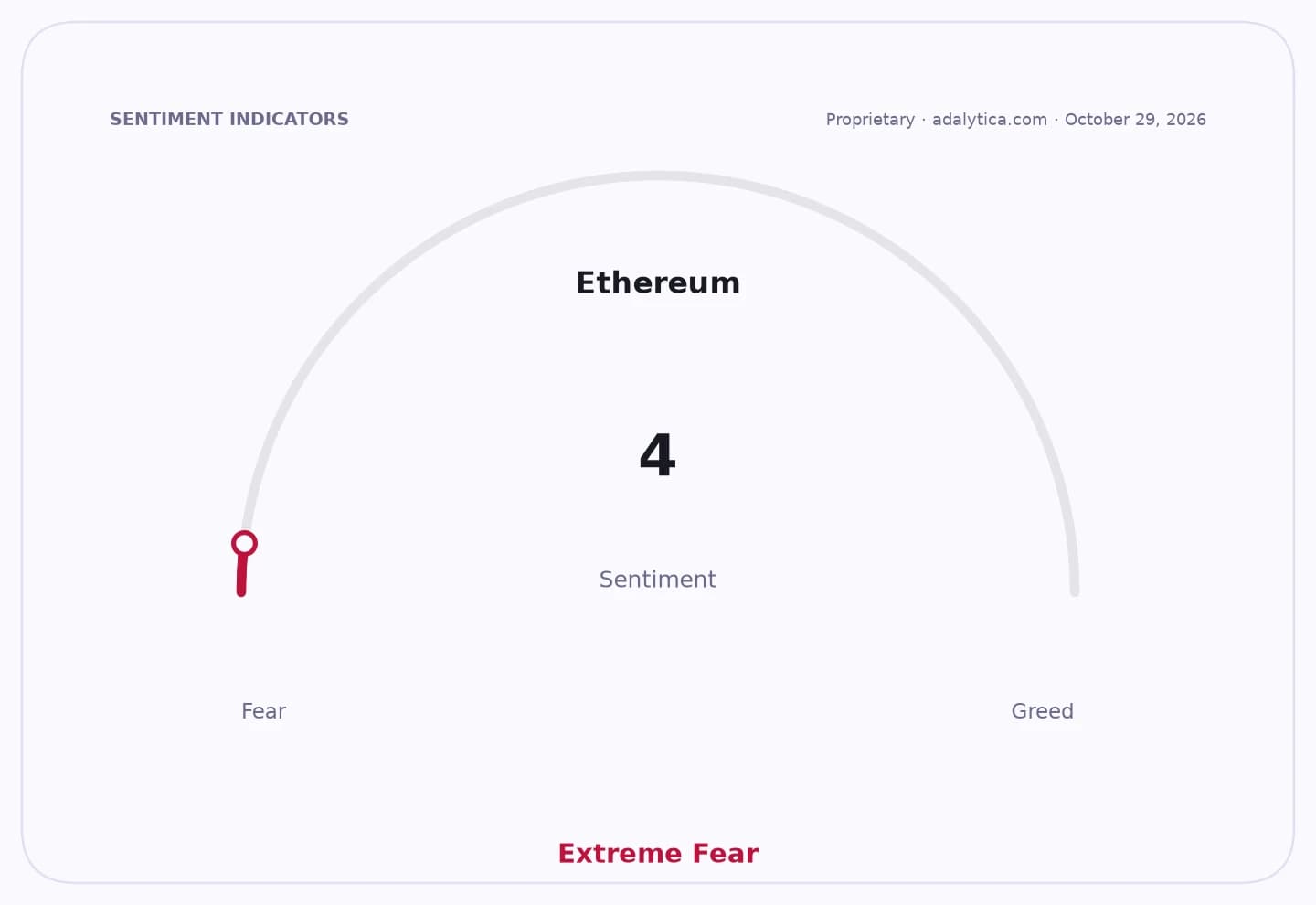
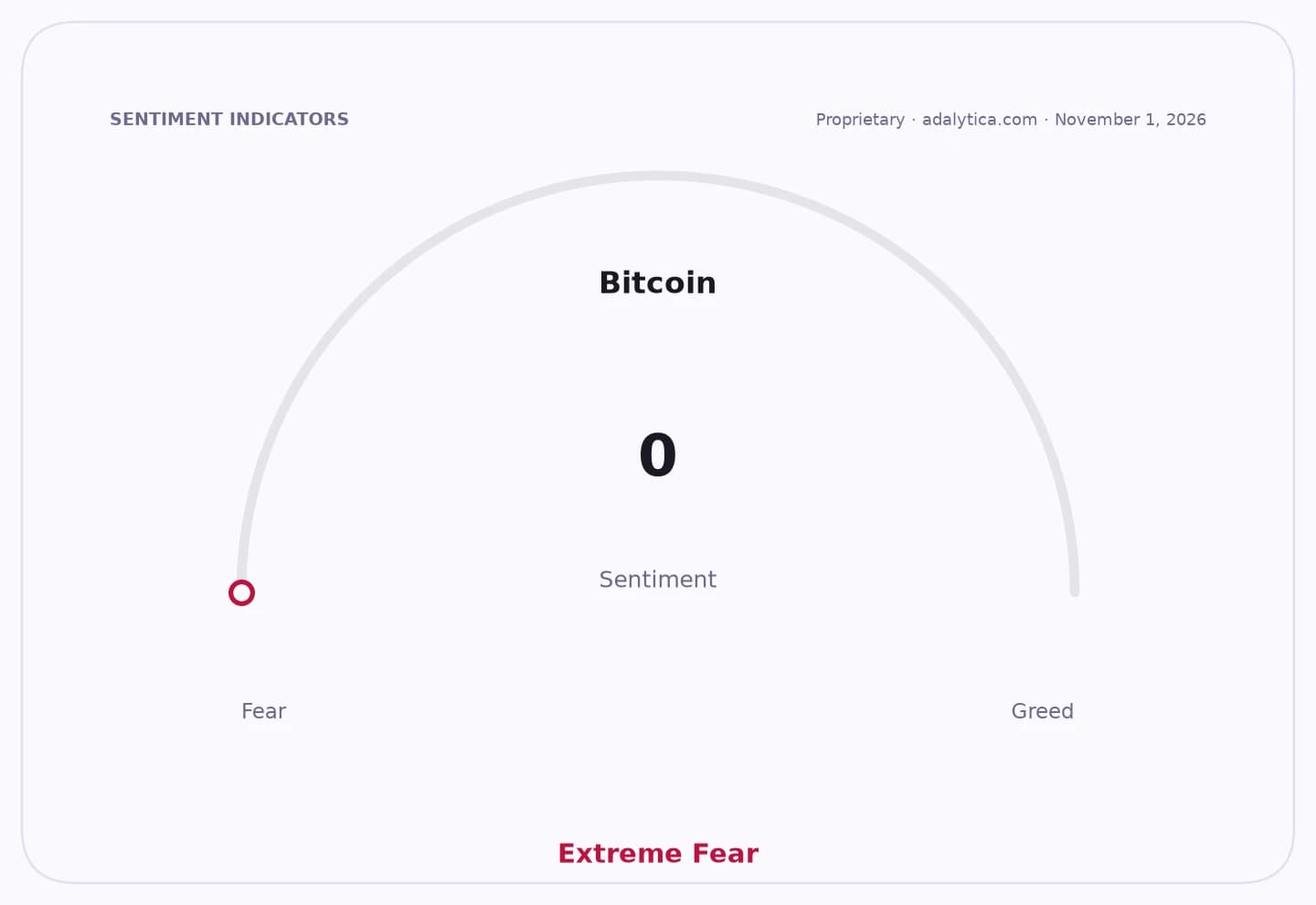
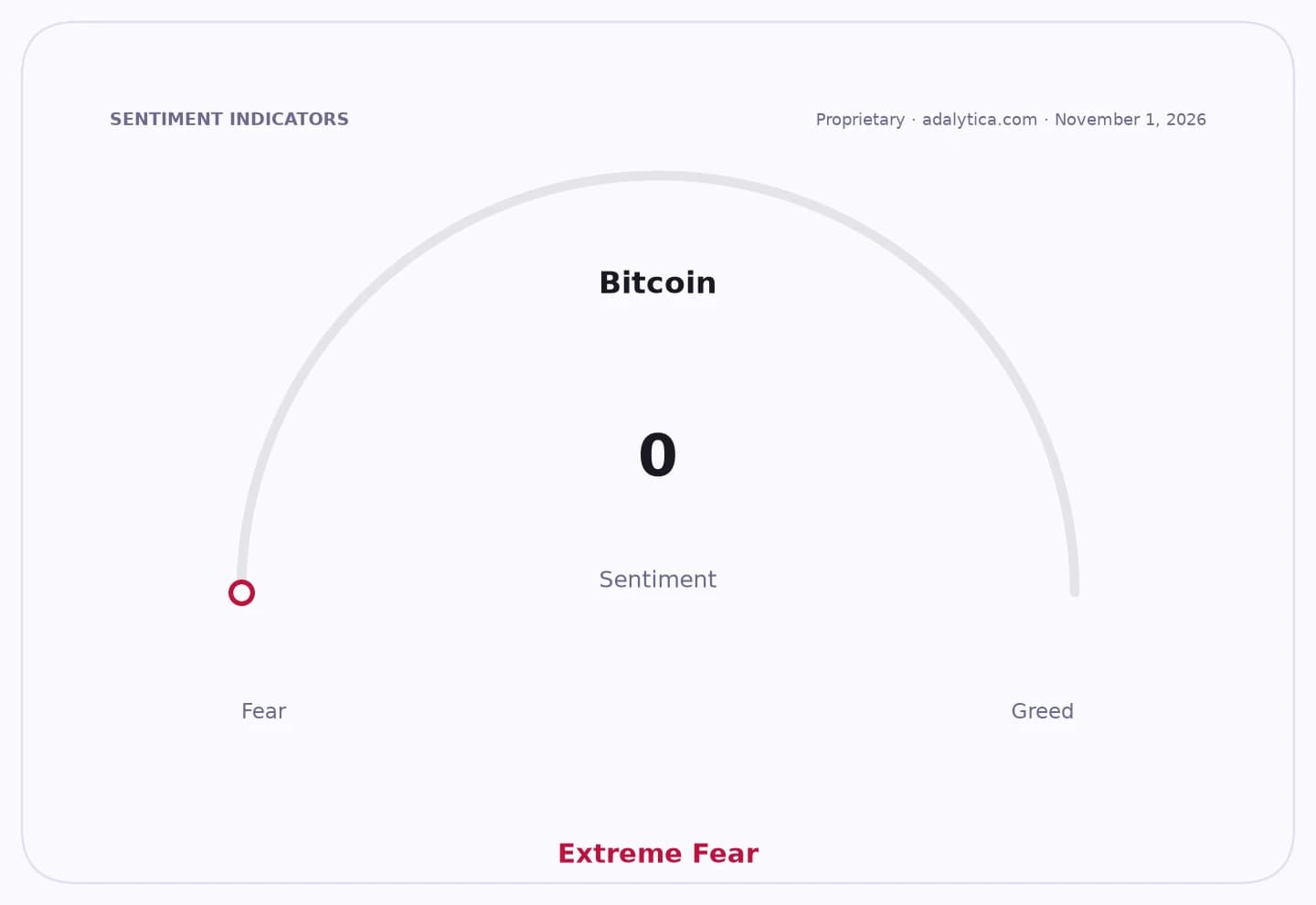
The broader market backdrop is also unhelpful. Adalytica’s Ethereum sentiment reading is at 1.0, or extreme fear, while Bitcoin sentiment is at 0.0, also extreme fear. That kind of backdrop can support contrarian positioning, but it also shows how little conviction remains in the market. For ETH to break out against BTC, traders will likely need a cleaner combination of rising on-chain activity, stronger fee generation and a shift in risk appetite across crypto more broadly.
For now, Ethereum’s next move against Bitcoin looks less like a story about deflation and more like a test of whether demand for its network can reassert itself before the market moves on.
| Entity | Gains | Losses |
|---|---|---|
| Ethereum bulls | ▲Potential supply squeeze from exchange outflows | ▼Weaker burn-driven scarcity narrative |
| Bitcoin holders | ▲Relative safety from ETH narrative risk | ▼Possible renewed ETH/BTC rotation if demand strengthens |
| Active Ethereum users | ▲Cheaper transaction costs | ▼Risk that low fees reflect weaker demand |
| Short-term ETH sellers | ▲Validation from fading deflation story | ▼Pressure if whale longs and outflows persist |