An Ethereum wallet that had lain dormant for nearly 11 years narrowly avoided losing about $4.6 million after a phishing-style address-poisoning attempt, underscoring how even long-idle crypto holdings remain exposed to one of the industry’s most persistent security risks.
Ethereum wallet avoids $4.6 million phishing scam
The wallet first sent a test transaction worth $106 before successfully moving 2,154.94 ether, according to the source account. The near miss matters because it shows that the threat is not limited to active traders or exchange users: long-forgotten self-custodied wallets can be just as vulnerable when owners finally return to move funds. In a market where security failures still regularly erase capital, the incident is another reminder that basic blockchain transparency does not eliminate operational risk.
Sentiment Indicators
For investors, the episode cuts two ways. On the one hand, it highlights the resilience of self-custody when users follow transfer discipline, with the tiny test payment helping validate the destination before the larger movement. On the other, it reinforces the view that crypto ownership carries hidden execution risk that can bite even sophisticated holders. That risk is especially relevant as crypto prices remain volatile and sentiment is weak: Ethereum was trading around $1,702.04 on Nov. 26, still far below its recent highs, with its 50-day moving average at $2,167.46 and its 200-day average at $2,109.70. RSI readings near 27.7 and a negative MACD on the latest available data point to a market that remains technically damaged.
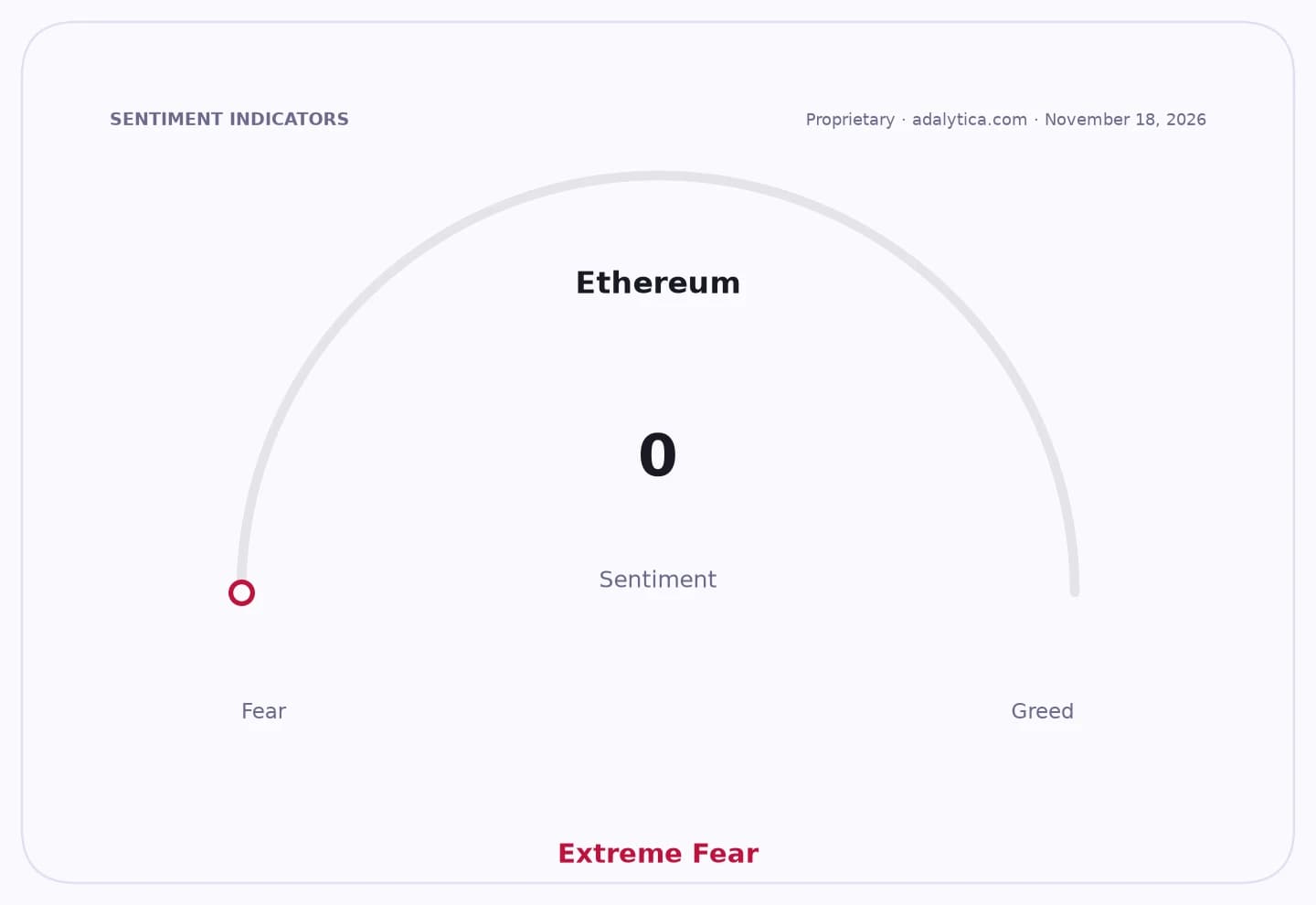
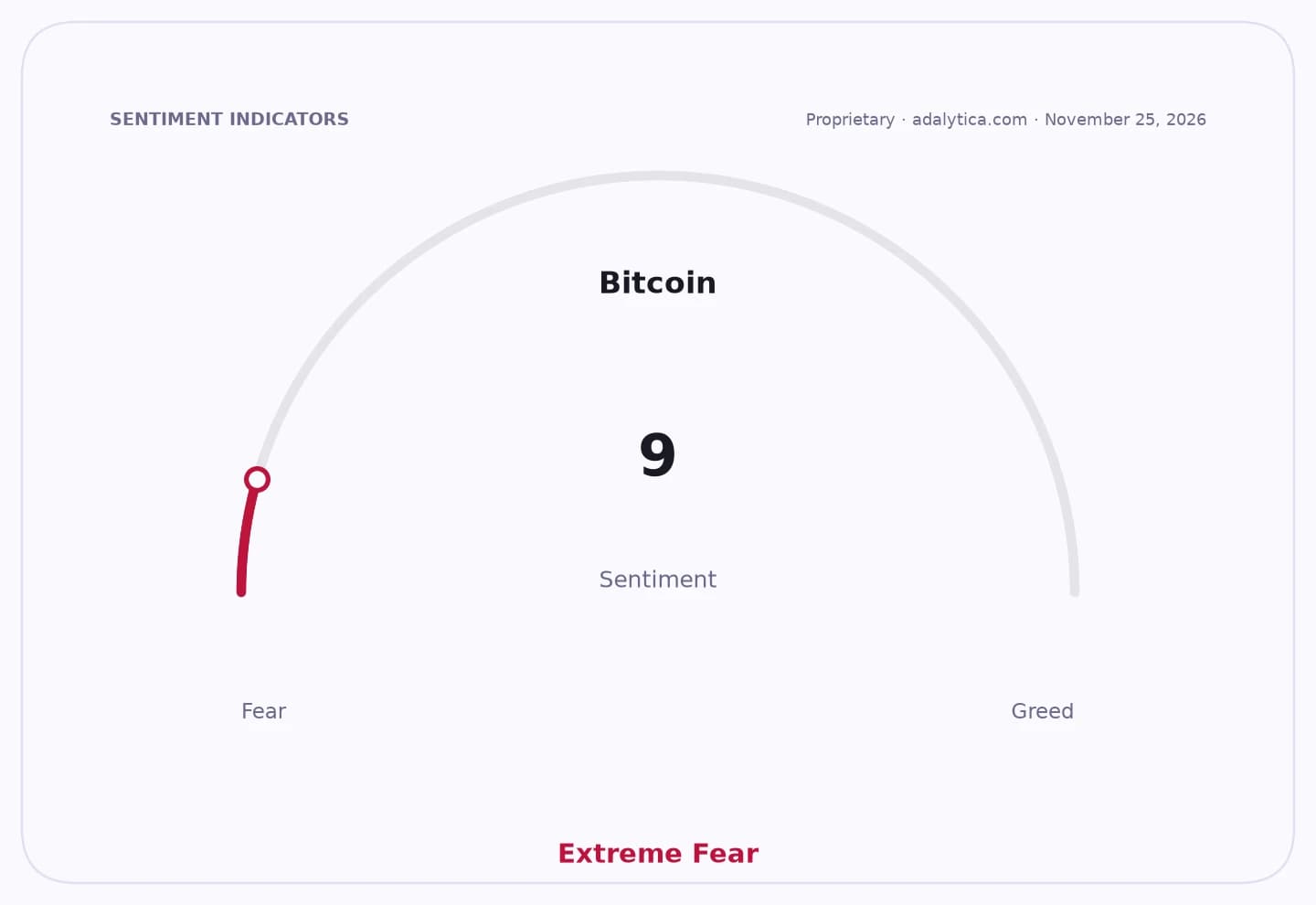
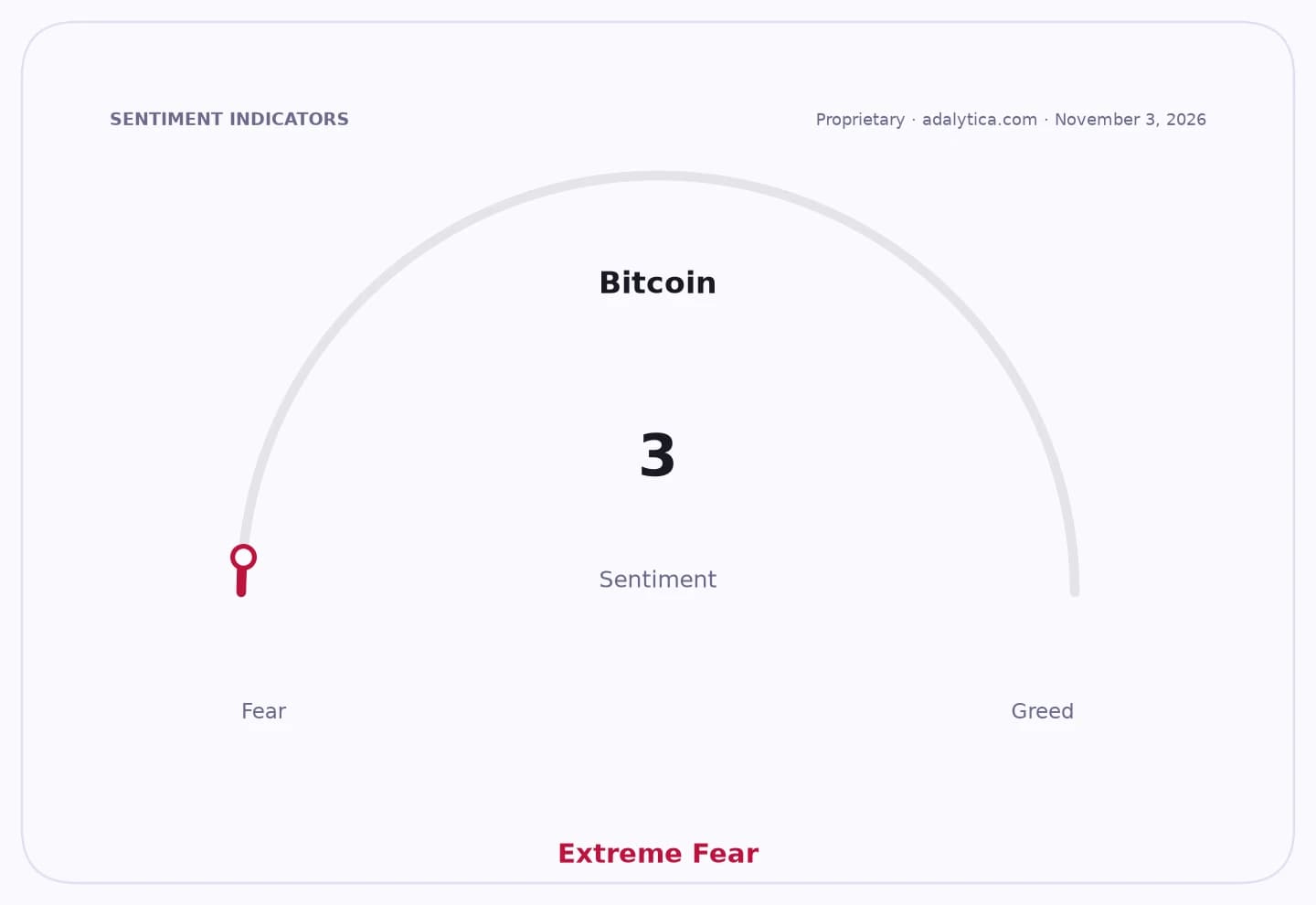
The wider backdrop is a crypto sector still struggling with trust. Fresh scams, hacks and fraud cases have kept pressure on sentiment, and Adalytica’s Ethereum Fear & Greed Index showed “Fear” at 28 with “Extreme Fear” awareness, while Bitcoin’s gauge sat at 7, or “Extreme Fear.” Those readings suggest investors remain unusually sensitive to security headlines, which can dampen risk appetite across the asset class even when the direct dollar loss is limited.
The narrative here is simple: crypto’s biggest vulnerabilities are often not protocol failures but human ones. Address poisoning exploits routine copy-and-paste behavior and momentary inattention, making it cheap for attackers and costly for holders. As dormant wallets re-enter circulation and more long-term owners look to secure profits or rebalance, the industry’s security premium is likely to stay elevated.
| Entity | Gains | Losses |
|---|---|---|
| Wallet owner | ▲Keeps $4.6 million | ▼Faces scam risk |
| Scammers | ▲None | ▼Missed theft |
| Self-custody users | ▲Validation lesson | ▼Operational exposure |
| Crypto market | ▲Security awareness | ▼Investor confidence |