Mandatory AI labeling for images and text in the European Union could become one of the first big tests of how far Brussels is willing to push transparency on generative AI — and how much it will cost the companies that power it.
EU AI labeling rules pressure Microsoft, Alphabet, Meta

The appeal is straightforward: clearer labeling aims to curb fraud, misinformation and exam cheating, and to make it easier for regulators and users to tell synthetic content from human-made material. But the details matter more than the slogan, because enforcement, exemptions and technical standards will determine whether the rules are a light-touch disclosure regime or a costly compliance burden for the biggest AI platforms.
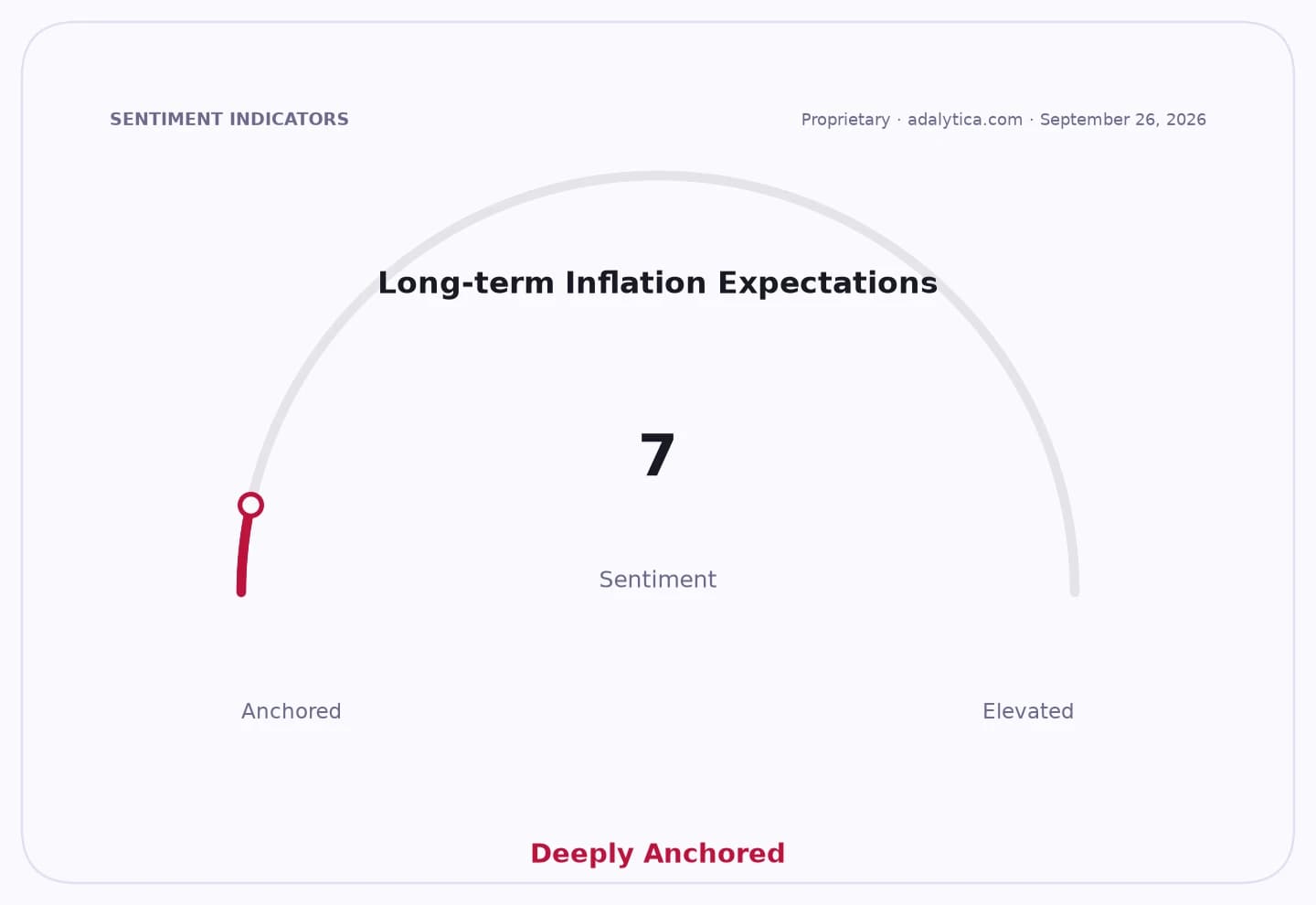
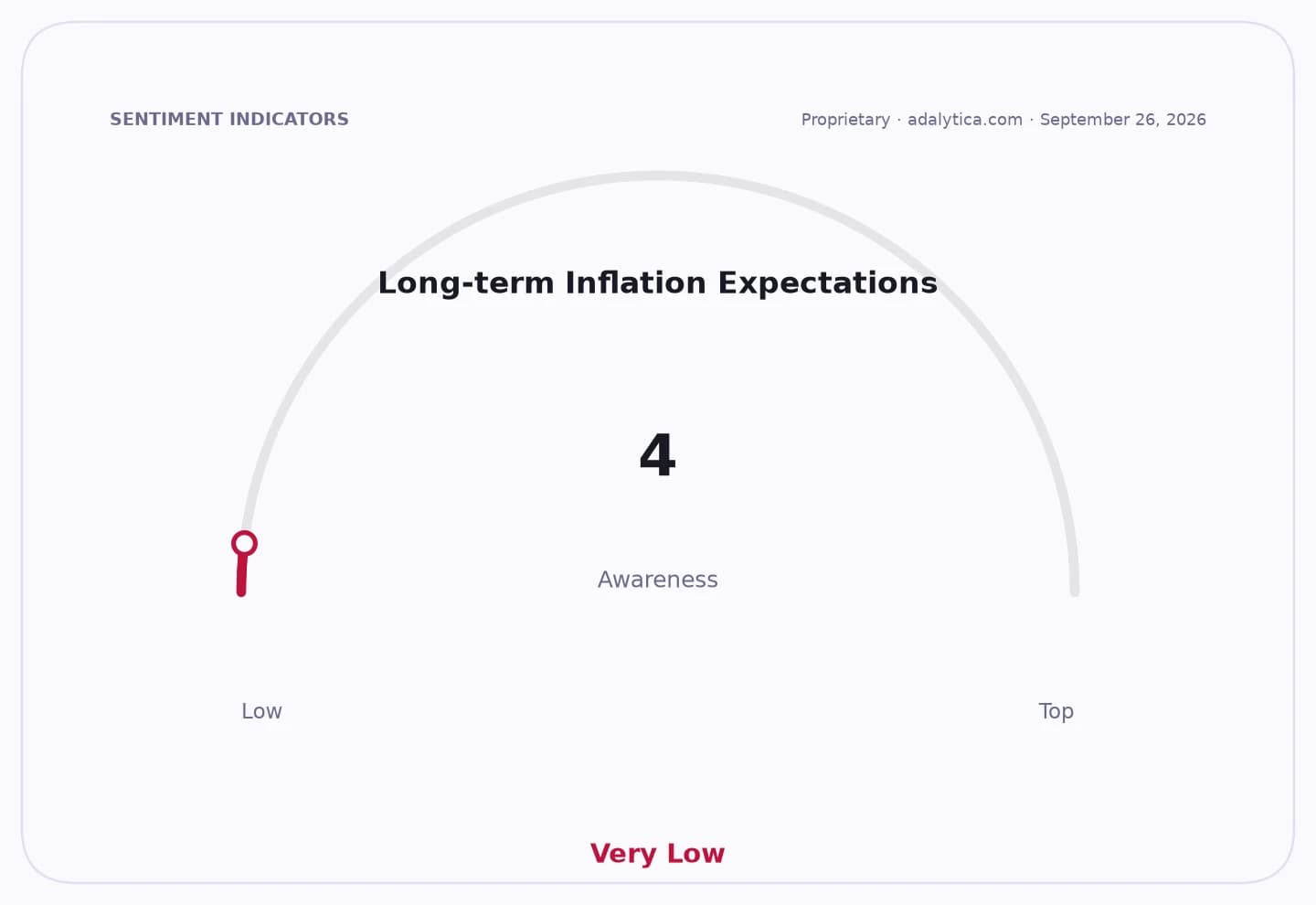
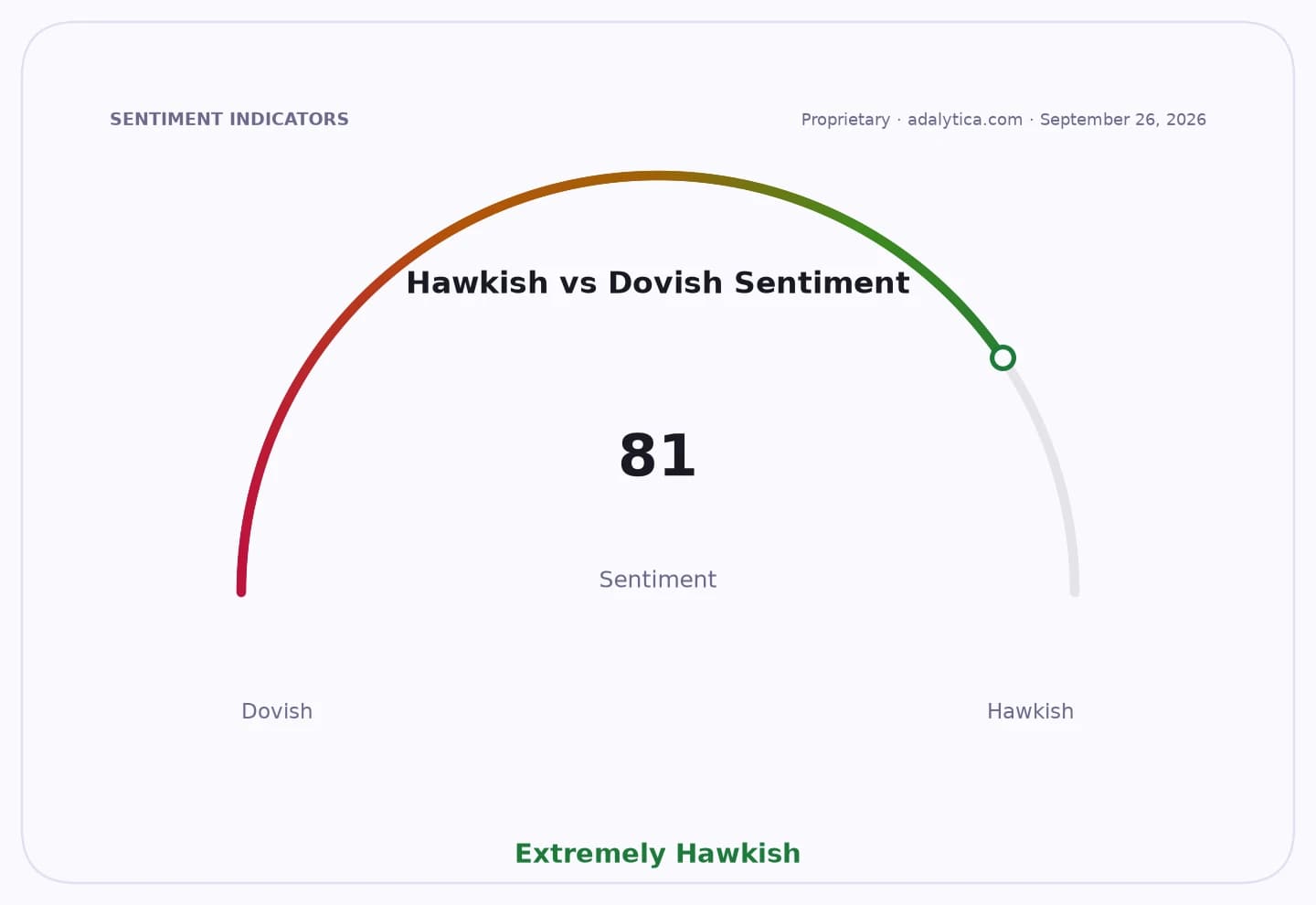
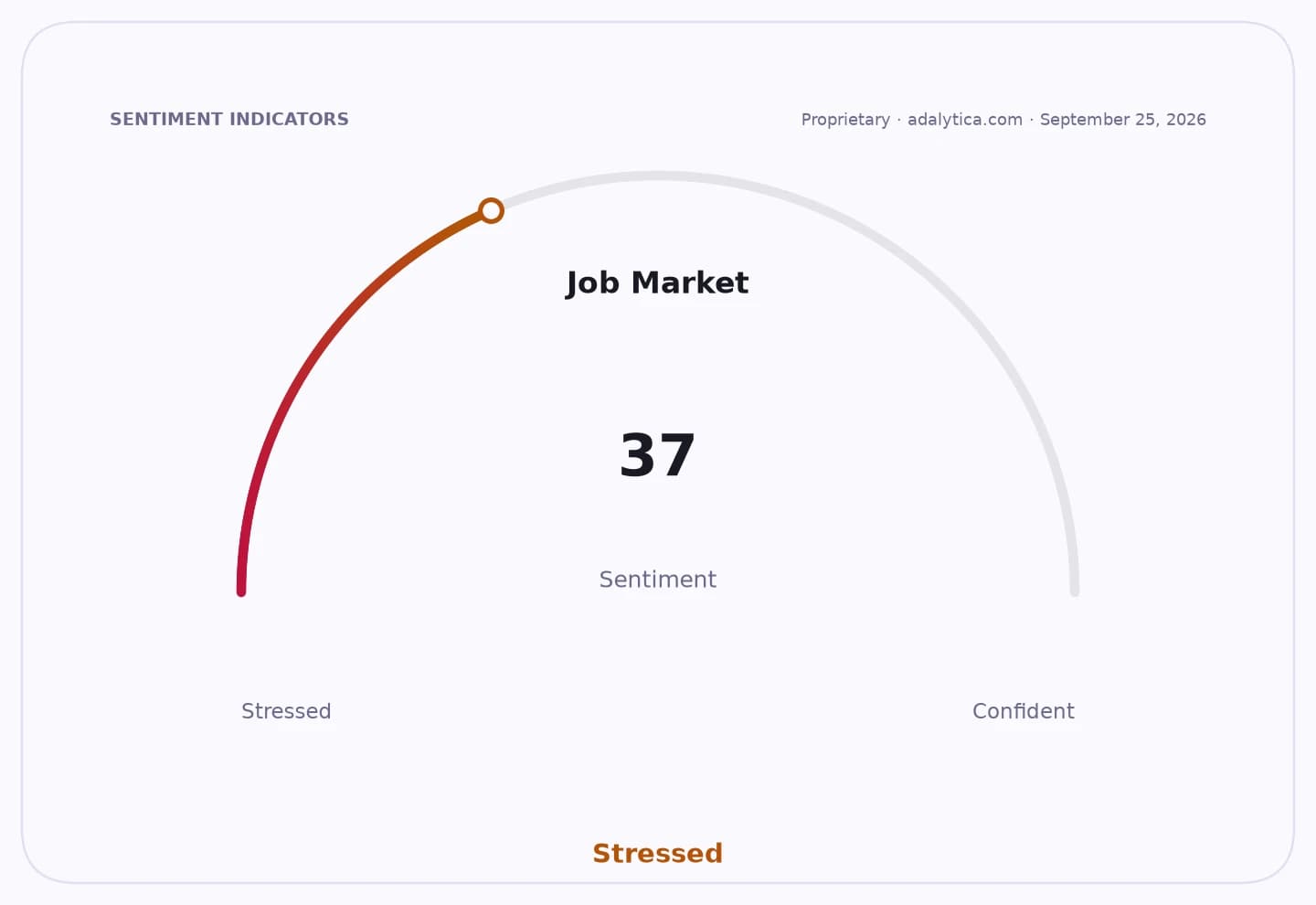
Sentiment IndicatorsⓘProprietary · adalytica.com · July 30, 2026
This is a snapshot — live sentiment, awareness and momentum for 130+ markets update continuously in the dashboard.Open AlphaPulse
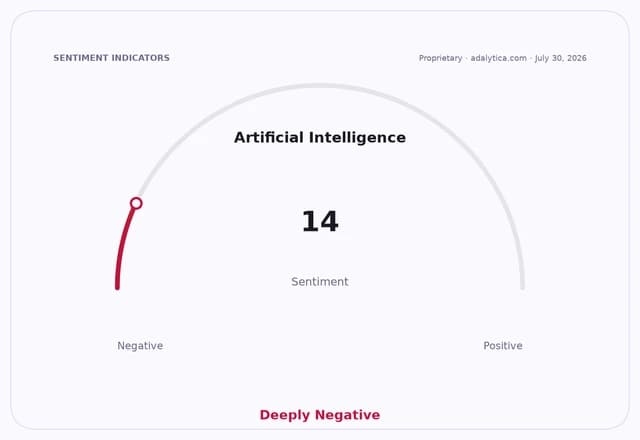
That is why the story matters for Microsoft, Google parent Alphabet and Meta, all of which are investing heavily in AI tools and distribution while warning in filings that regulation could raise costs, complicate product rollout and trigger legal scrutiny. Microsoft has said the EU’s AI Act may increase costs or affect the operation of its AI models and services in Europe, while Alphabet has flagged added risk from inadvertent disclosure of confidential or personal data when AI is used. Meta, whose products are built around mass content creation and sharing, faces similar pressure if labeling requirements extend deep into consumer workflows.
Investors are already treating AI regulation as a real earnings variable, not a theoretical one. Microsoft shares closed at $445.17 on July 30 after a sharp recovery from a recent slide, while Alphabet finished at $331.71 and Meta at $537.62; all three remain exposed to any rules that could slow adoption, add moderation expense or force product redesigns across the bloc. Technical readings on the stocks also show a market that is still digesting volatility, with Microsoft’s 50-day moving average at $398.30 and RSI at 72.4, Alphabet’s RSI at 38.5 and Meta’s at 13.6, underscoring how quickly sentiment has swung around the AI trade.
The broader economic significance is that the EU is trying to set global rules for generative AI the same way it did with privacy and competition enforcement. If the labeling regime is strict enough, it could raise the cost of doing AI business in Europe, but if it is too loose it risks being symbolic rather than effective — a familiar Brussels trade-off that investors will watch closely for spillover into the U.S. and other markets.
For now, the key catalyst is implementation. Investors will be watching how the final language handles watermarking, disclosures and enforcement, and whether the next round of AI regulation forces the sector to spend more on compliance just as companies are racing to monetize the technology.
| Entity | Gains | Losses |
|---|---|---|
| EU regulators | ▲Transparency leverage | ▼Risk of weak enforcement |
| Microsoft, Alphabet, Meta | ▲Clearer rules over time | ▼Higher compliance costs |
| Users and publishers | ▲Better content labeling | ▼More friction in product use |
| AI model sellers | ▲Legitimate-use credibility | ▼Slower deployment in Europe |