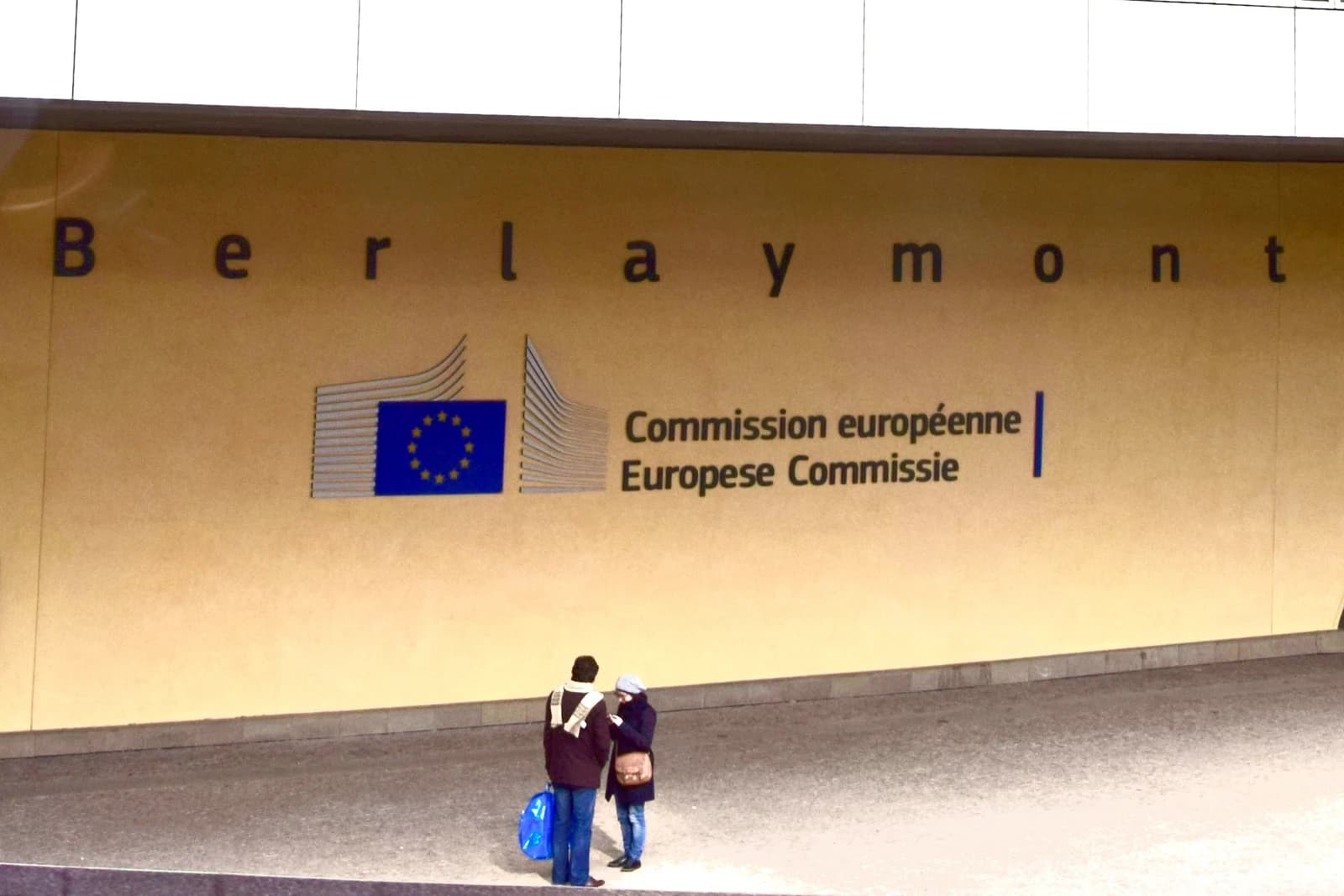
The European Union has revived its push for a levy on large digital companies, a move that could reshape talks on the bloc’s 2028-2034 budget by adding a fresh revenue stream while deepening splits among member states.
EU budget plan revives digital tax on Big Tech

European Council President Antonio Costa on Saturday unveiled a revised spending plan that trims €204 billion from the European Commission’s original proposal, but also opens the door to a 3% annual contribution on online advertising, digital intermediation and user-generated data from companies with at least €50 million in EU digital turnover and more than €750 million in global sales.
Sentiment Indicators

The tax is economically important because the EU is trying to narrow a long-running funding gap without forcing governments to shoulder all of the burden through higher national contributions. Costa’s draft says the bloc’s “own resources” could raise about €60 billion a year, money that would help finance a budget that has become harder to sell to fiscally conservative countries after years of inflation, slower growth and tighter domestic public finances.
For investors, the immediate focus is on the largest U.S. technology groups that dominate European digital advertising and platform services, including Alphabet, Meta and Amazon. Even if the levy is still only a proposal, it adds another layer of regulatory and tax risk to a sector already facing antitrust probes, content rules and country-specific digital services taxes. The policy also matters for the broader equity market because tech carries heavy weight in major U.S. indexes, and the prospect of a new EU charge can feed into valuations that are already sensitive to margin pressure.
The political arithmetic remains difficult. Germany and other so-called frugal countries say the overall budget is still too large, while France and several southern and eastern member states want more support for agriculture and regional development. Macron’s office called the proposal disappointing, and Sweden’s Europe minister said a compromise was still far off. That suggests the digital tax is as much a bargaining chip as a revenue measure.
Costa is aiming for an agreement by year-end, partly to avoid pushing the issue into 2027, when an election-heavy cycle could make dealmaking harder and boost eurosceptic parties. Even if leaders agree on the budget, the plan still has to survive negotiations with the European Parliament, which is likely to press for changes. For investors, that means the tax is not imminent, but it is now clearly on the table — and a sign that Europe is prepared to look to Big Tech as a more durable source of public funding.
| Entity | Gains | Losses |
|---|---|---|
| EU budget | ▲New revenue source | ▼Bigger political conflict |
| Big Tech firms | ▲Regulatory clarity if delayed | ▼Higher tax burden risk |
| Frugal member states | ▲Lower spending pressure | ▼Less bloc-level funding leverage |
| Agriculture/cohesion advocates | ▲Potential bargaining power | ▼Risk of deeper cuts |