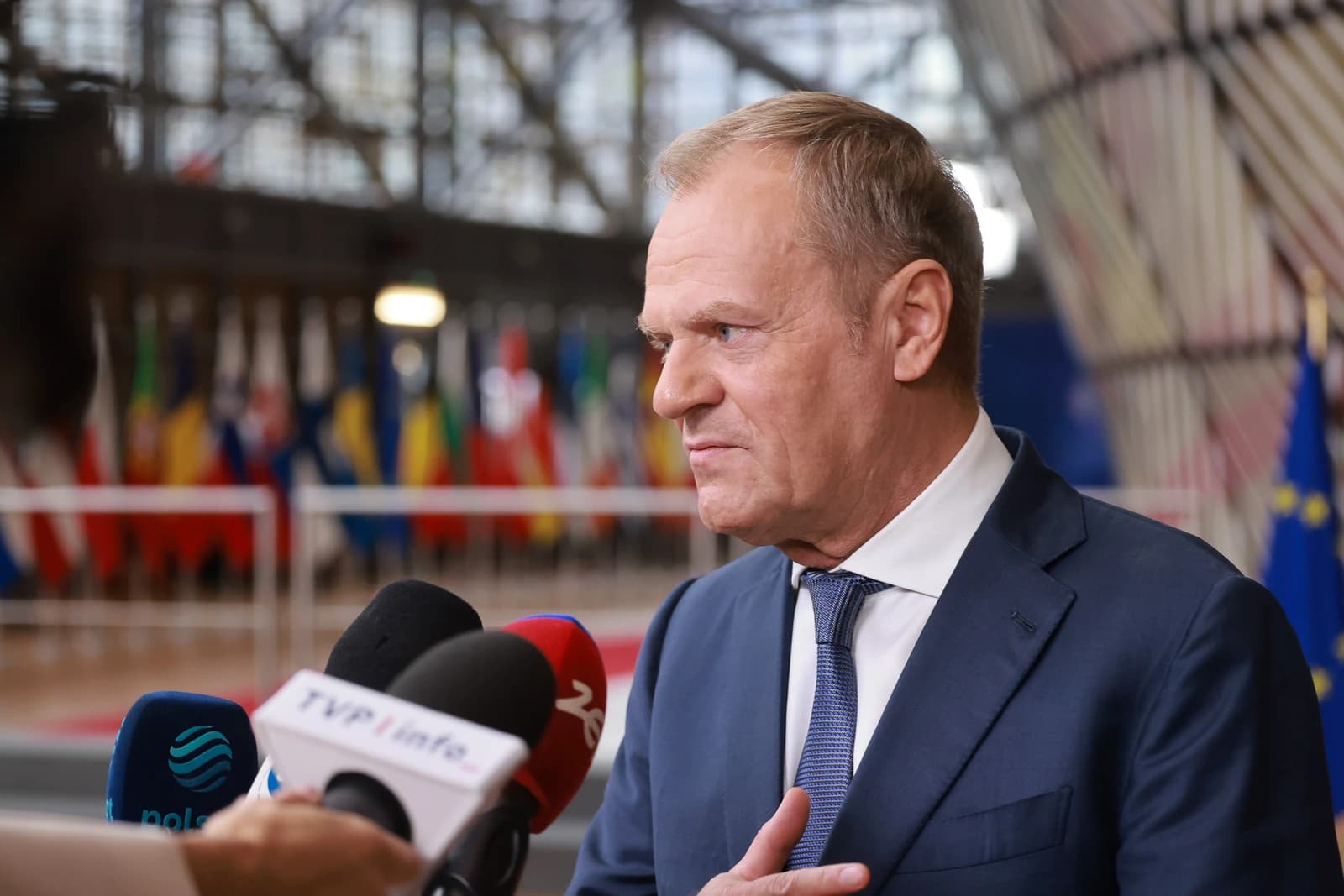
The European Union’s next long-term budget is becoming a test of whether member states are willing to pay for tougher migration enforcement, after Greece urged Brussels to fund “innovative” return solutions rather than leave frontline countries to foot the bill alone.
EU budget debate over migration return funding

That matters because migration has moved from a political headache to a budget issue. If the bloc wants to build a system of offshore “return centers” for failed asylum seekers, it will need real money, not just new language. Greece, along with Germany, Denmark, the Netherlands and Austria, is pushing a model that could start sending people who have no right to remain in the EU to facilities outside the bloc from 2027. But the plan is expensive, politically sensitive and depends on EU backing in the next multi-year budget.
For investors, the story is less about a single policy and more about what it says about Europe’s priorities. When governments are forced to choose between border control, foreign aid, Ukraine support and other spending commitments, the result can shape sovereign budgets, public-sector contracts and the mood around European assets. The euro-area’s biggest economies are already wrestling with slower growth and tighter fiscal room, which makes any new common spending request harder to absorb.
The technical picture in the market does not change the policy reality, but it does show how investors are treating Europe more selectively. The iShares MSCI Greece ETF, ticker EWP, has climbed to around $61.20 and sits above both its 50-day and 200-day moving averages, a sign that Greek equities remain in a stronger uptrend than the broader debate might suggest. The fund’s recent pullback from highs near $62 underscores that markets are still weighing headline risk, even as the longer-term trend remains constructive.
The migration push also lands at a delicate moment for the EU. A fresh surge of arrivals into Spain’s Ceuta enclave has kept the issue at the top of the agenda, and national elections due in 2027 should keep pressure on governments to look tougher on border policy. That makes budget negotiations more than an accounting exercise: they are where the bloc decides how much it is willing to spend to defend political stability.
For long-term investors, the takeaway is simple. Europe’s migration fight is unlikely to produce a quick, clean fix, but it is very likely to produce more spending, more compromise and more winners in the parts of the market tied to public contracts, infrastructure and border management. This is the kind of slow-moving policy shift worth keeping on a watchlist, not trying to trade around.
| Entity | Gains | Losses |
|---|---|---|
| Frontline EU states | ▲Budget support | ▼Fiscal burden alone |
| EU contractors | ▲Potential contracts | ▼Policy uncertainty |
| Migrants with rejected claims | ▲Clearer process | ▼Fewer stay options |
| EU budget hawks | ▲Spending restraint | ▼New financing demands |