Europe’s effort to toughen its China strategy is running into a simple economic reality: tariffs can blunt some import surges, but they do little to solve the bloc’s deeper dependence on Chinese supply chains, energy costs and weak industrial competitiveness.
EU China tariffs and Europe’s 4.6% yield backdrop
That is the market and policy backdrop now confronting Brussels and national capitals. The United States is widening trade restrictions with new tariffs on imports from 60 countries, underscoring how protectionism is becoming a default tool in global commerce. But Europe’s challenge is different from Washington’s. It is not only trying to defend sensitive industries from Chinese competition; it is also trying to preserve access to a market that remains essential for autos, luxury goods, machinery and industrial inputs.
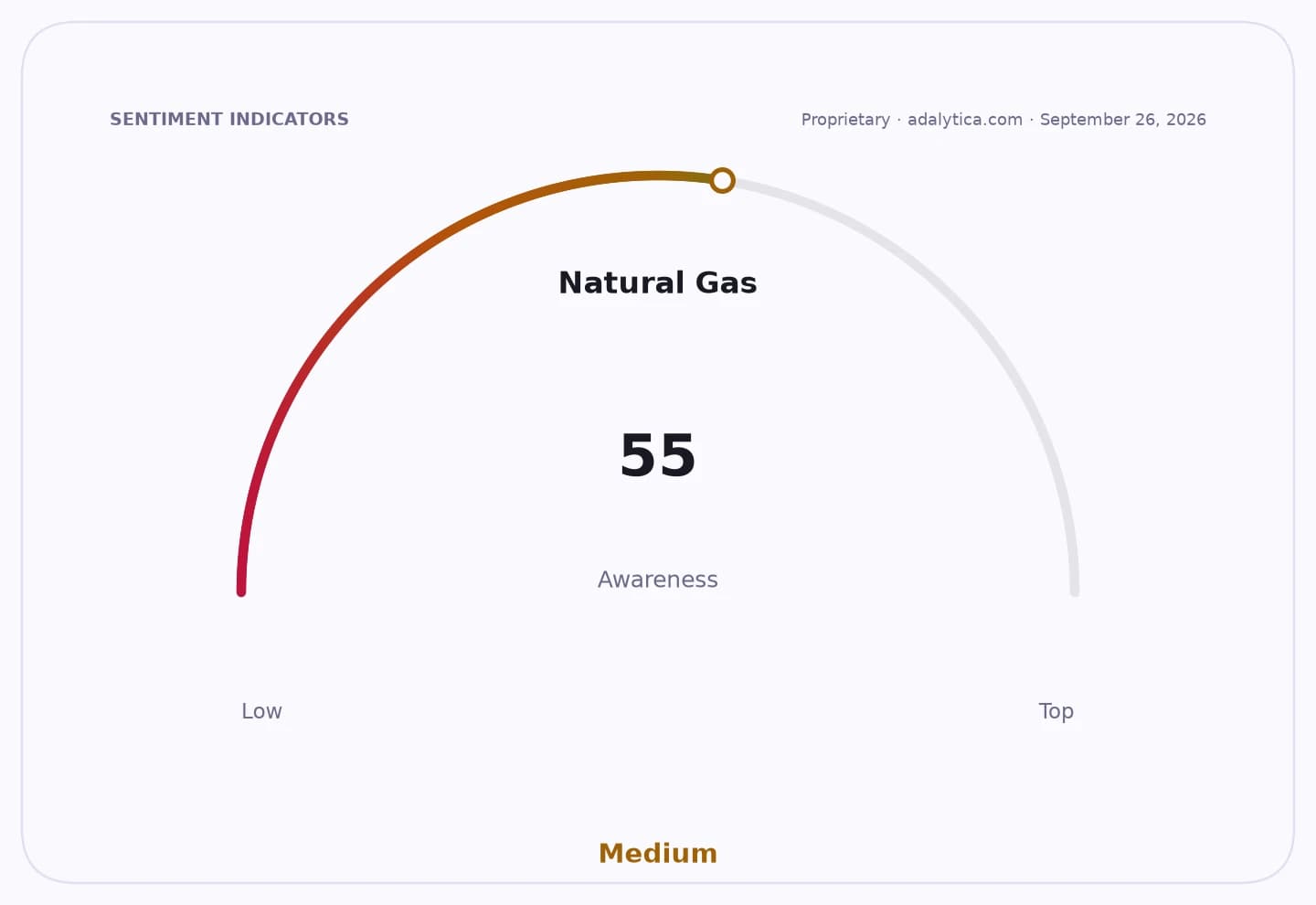
Sentiment IndicatorsⓘProprietary · adalytica.com · July 29, 2026
This is a snapshot — live sentiment, awareness and momentum for 130+ markets update continuously in the dashboard.Open AlphaPulse
China’s economy is still producing pockets of strength, with official data on “new quality productive forces” pointing to continued momentum in advanced manufacturing. That matters because it suggests Beijing is not retreating from export-led industrial policy. If anything, China is leaning harder into the sectors that most directly collide with European producers, from clean-tech equipment to high-end manufacturing. Tariffs may slow the flow, but they do not change the scale of Chinese capacity or the price gap created by subsidies, lower production costs and domestic state support.
For investors, that keeps Europe’s China exposure a two-sided trade. A more defensive trade policy could help protected sectors such as some steel, chemicals and industrial groups if it limits dumping and price pressure. But it also risks retaliation from China, which is a major destination for European autos and capital goods. That leaves large listed exporters caught between higher policy barriers and still-necessary Chinese demand. The most vulnerable names are those with weak pricing power and high reliance on Chinese end-markets; the beneficiaries are firms insulated from China competition or those able to pass on higher import costs.
The move also lands against a fragile macro backdrop. U.S. Treasury yields around 4.6% and Brent crude near the high-$80s keep global financing and input costs elevated, narrowing room for Europe to absorb another trade shock without hitting growth. In that environment, tariffs may be politically attractive, but they are an inefficient substitute for industrial policy, investment in capacity and a clearer strategy on de-risking critical supply chains.
That is why the debate in Europe is shifting from whether to impose more tariffs to whether tariffs alone are enough. If Brussels moves further, investors will be watching for signs of escalation in autos, EVs, batteries and machinery, as well as whether China responds with targeted pressure on European exports. The longer Europe relies on tariffs without a broader competitiveness plan, the more likely it is to preserve short-term political cover while leaving the underlying trade imbalance intact.
| Entity | Gains | Losses |
|---|---|---|
| EU protected industries | ▲Less import pressure | ▼Retaliation risk |
| European exporters to China | ▲Potential bargaining leverage | ▼Market access risk |
| Chinese manufacturers | ▲Continued scale advantages | ▼Higher trade barriers |
| Global consumers | ▲Some supply diversification | ▼Higher prices |