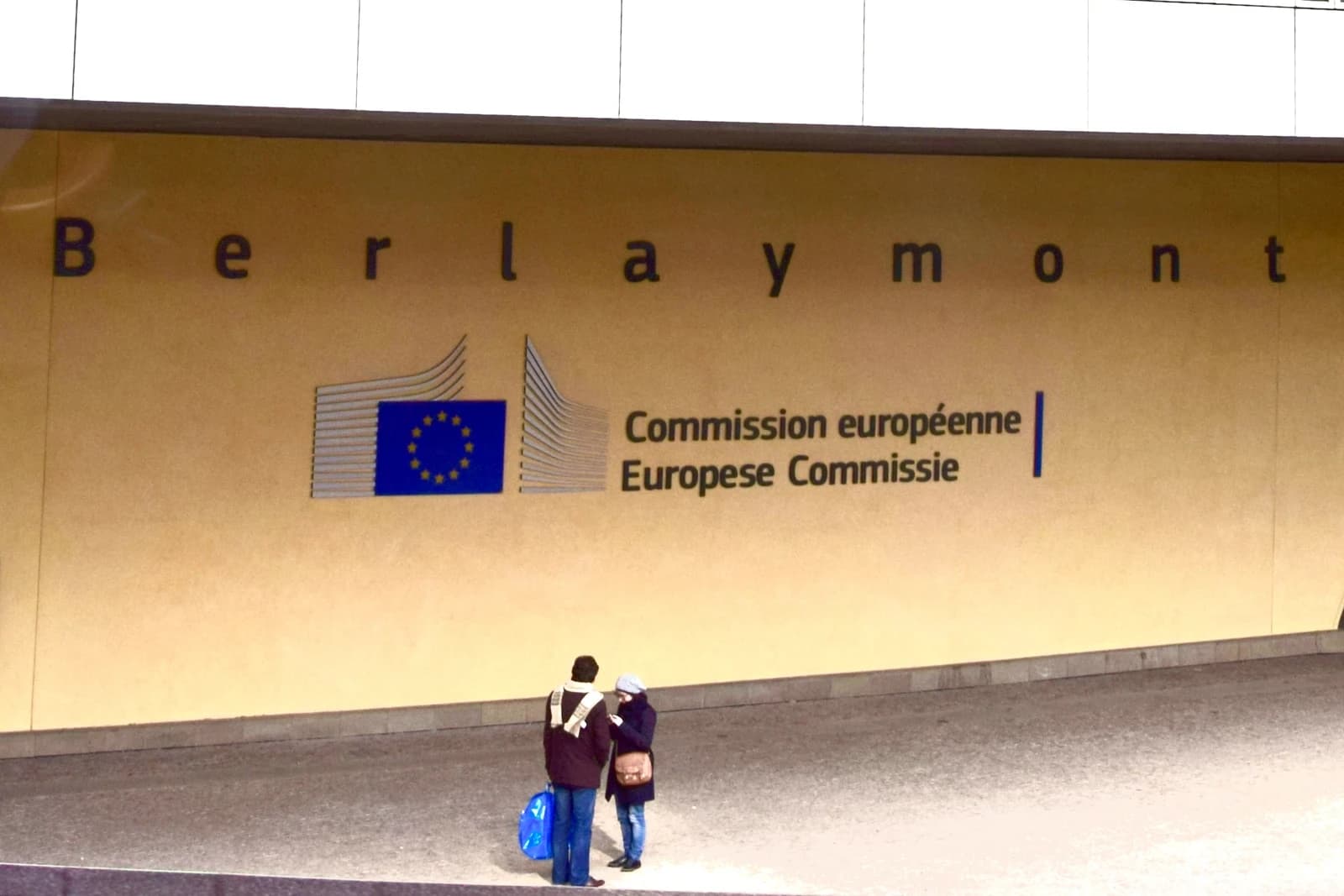
The European Union is hardening its stance on China, framing Beijing as a long-term strategic challenge as trade imbalances, critical raw materials and security risks move to the center of Brussels’ policy debate.
EU hardens stance on China over trade and security
That matters because the bloc is no longer treating China as just a commercial rival. It is increasingly viewing the world’s second-largest economy as a structural threat to European competitiveness, supply-chain security and geopolitical autonomy — a shift that could shape tariffs, industrial policy and capital allocation across the continent for years.
Sentiment Indicators
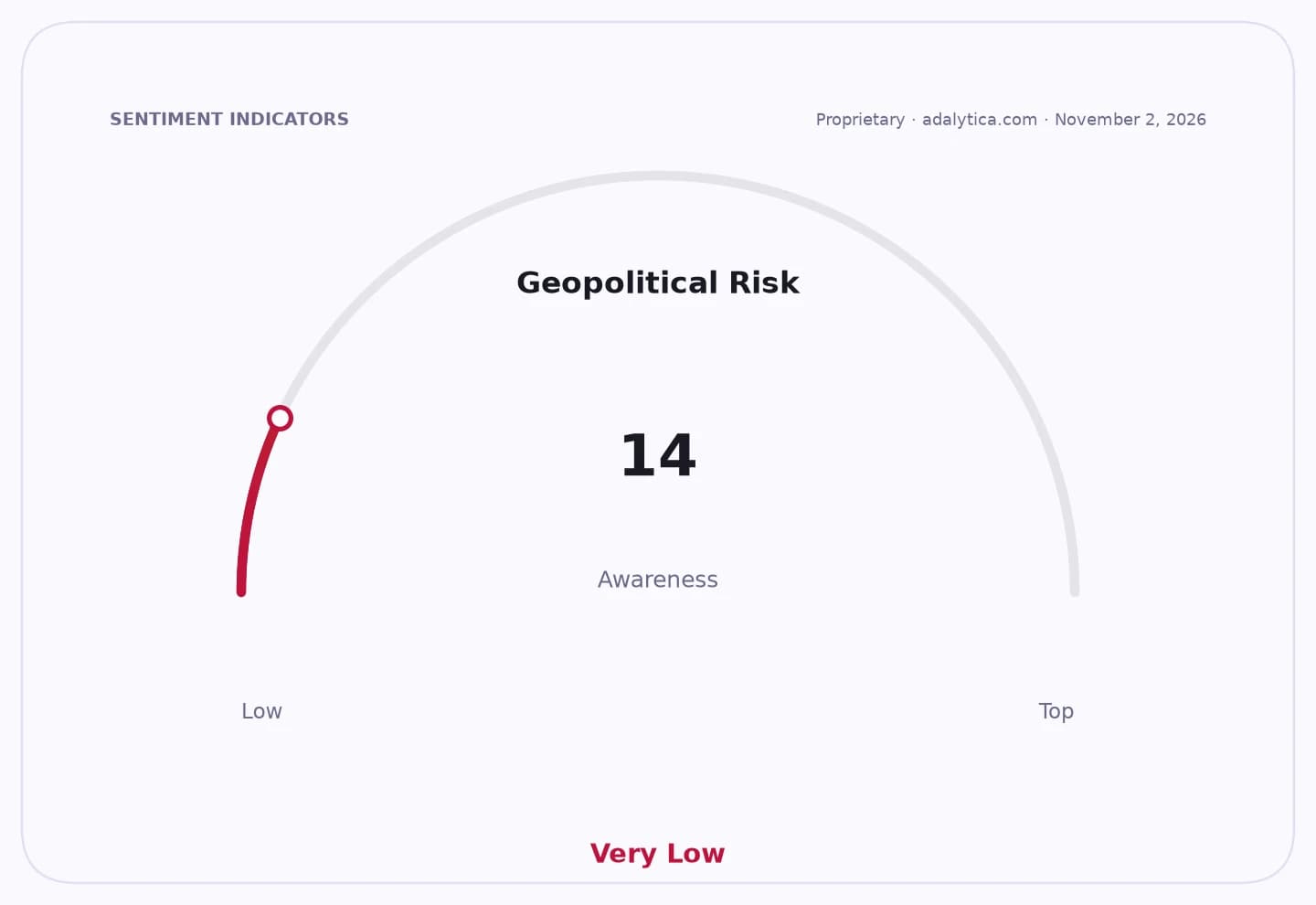
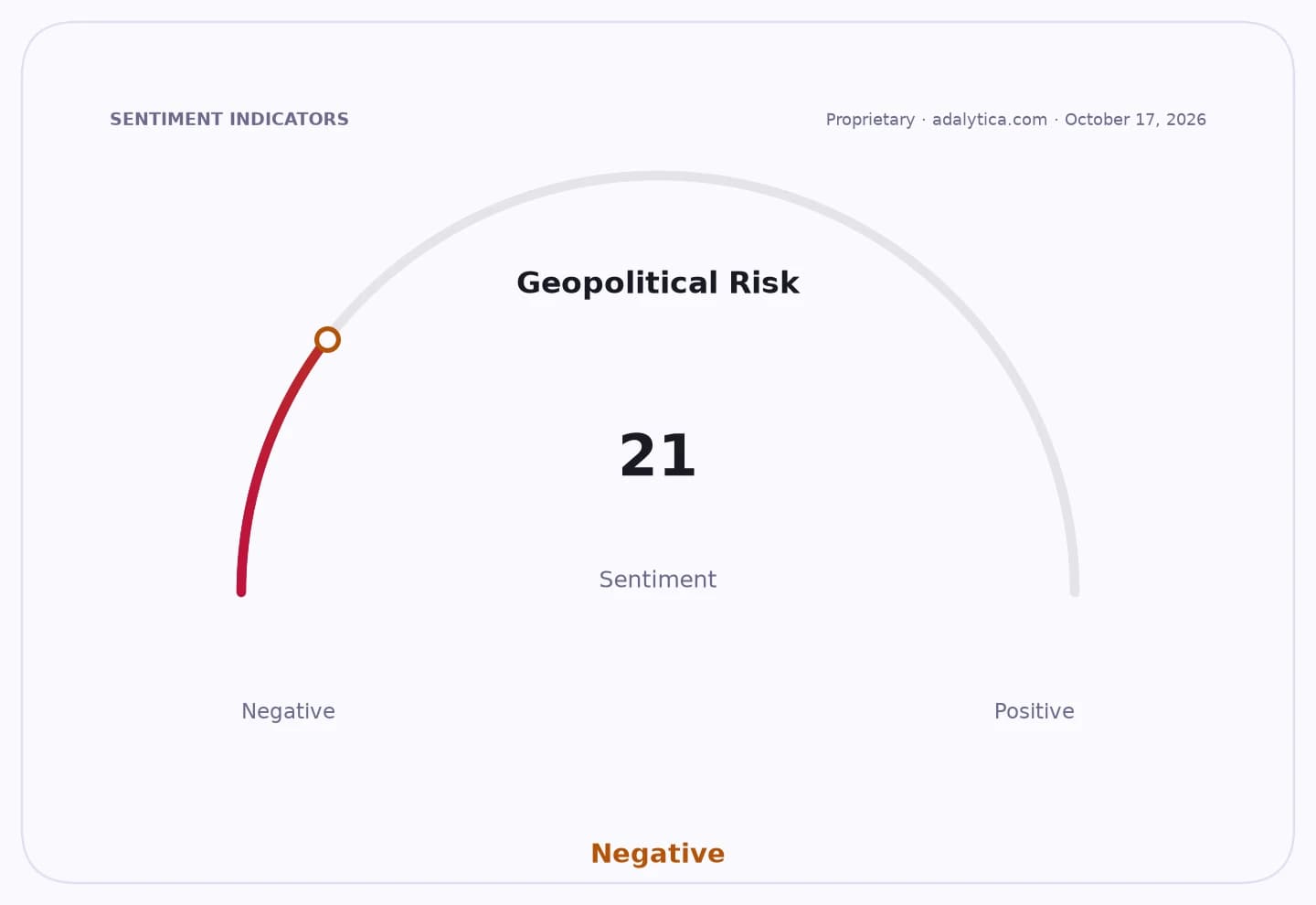
Geopolitical Risk
EU foreign ministers said China’s economic and technological weight is being used to pressure other countries, warning that Beijing’s control of critical inputs such as rare earths and its advances in sensitive technologies are undermining Europe’s economic security. They also described China as an important player in the Ukraine war and, together with Russia, accused it of seeking to expand regional influence and reshape the international order.
For investors, that is a clear signal that Europe’s de-risking campaign is moving from rhetoric to policy. The most exposed companies are not just European exporters selling into China, but also global manufacturers dependent on Chinese materials, components and processing capacity. Any escalation would reinforce the case for diversification into alternative suppliers, strategic metals, defense, and onshoring plays across the EU.
Geopolitical Risk vs FXIadalytica.com
Explore this data interactively — full history, time series and cross-market comparisons.
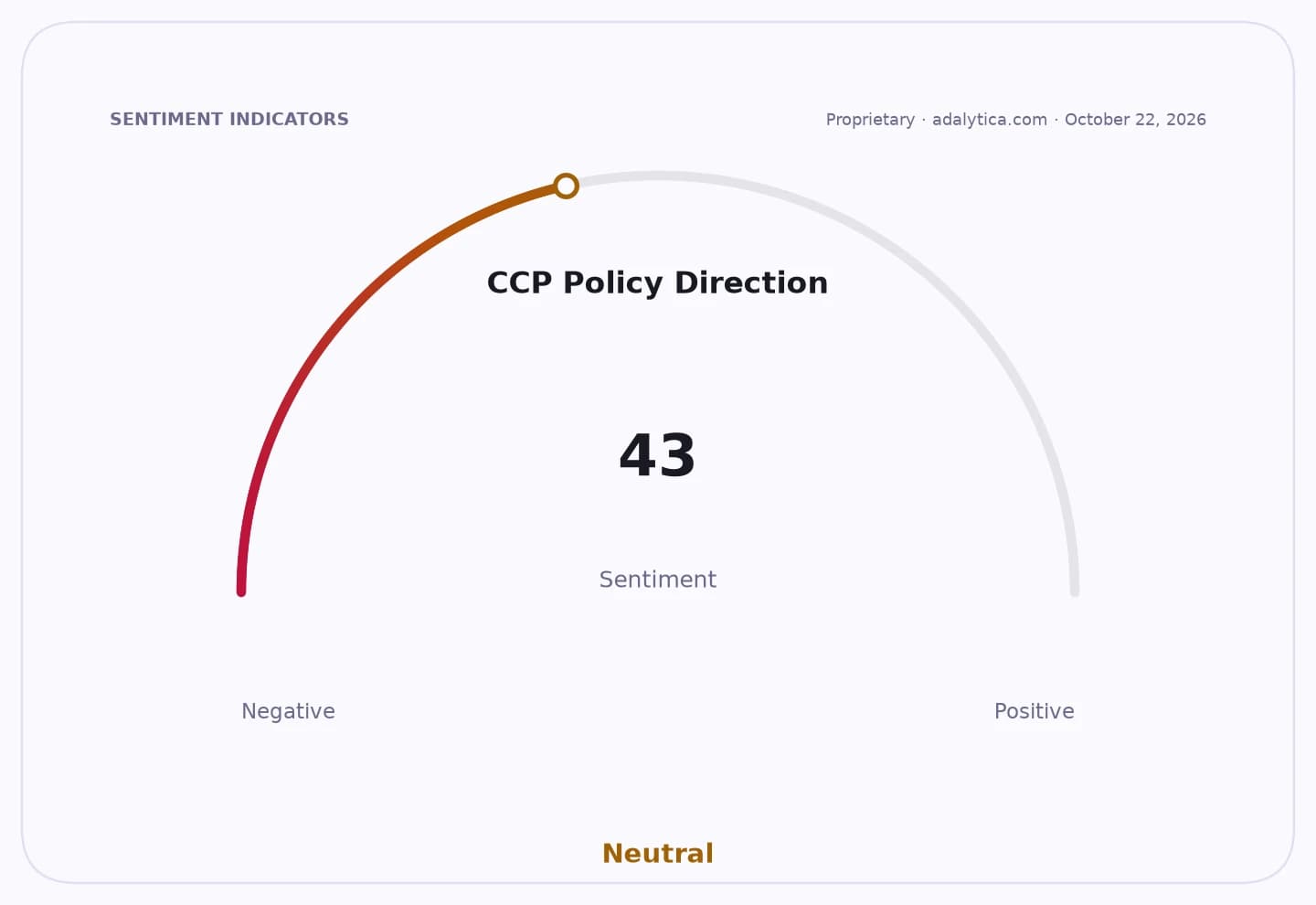
CCP Policy Direction
The market reaction has been cautious rather than panicked. The iShares MSCI China ETF, FXI, has been stuck in a narrow range and remains below its 200-day moving average, reflecting skepticism that diplomatic pressure will translate into a durable rebound. By contrast, European equity ETFs have shown more resilience, with Germany’s EWG trading above its 200-day average and the U.K.’s EWU holding near its longer-term trend, suggesting investors are still favoring developed-market diversification over outright China exposure.
The bigger narrative is that Europe is preparing for a prolonged period of strategic rivalry rather than a temporary trade spat. That raises the odds of more screening of Chinese investment, tougher rules on technology transfer and a sharper push to secure materials outside China’s control. It also increases the likelihood that Beijing retaliates selectively, using trade, market access and supply-chain leverage where it has the most power.
The investment takeaway is straightforward: the opportunity is not in betting on a quick EU-China thaw, but in positioning for a slower, more fragmented global trading system. That favors defense contractors, critical-mineral suppliers, industrial reshoring beneficiaries and Europe’s own strategic autonomy theme over broad China exposure until policy risk cools materially.
| Entity | Gains | Losses |
|---|---|---|
| European defense stocks | ▲Higher security spending | ▼ |
| Critical mineral suppliers | ▲Strategic demand tailwind | ▼ |
| EU industrial onshoring plays | ▲Supply-chain diversification | ▼ |
| China-facing exporters | ▲ | ▼Trade and policy risk |