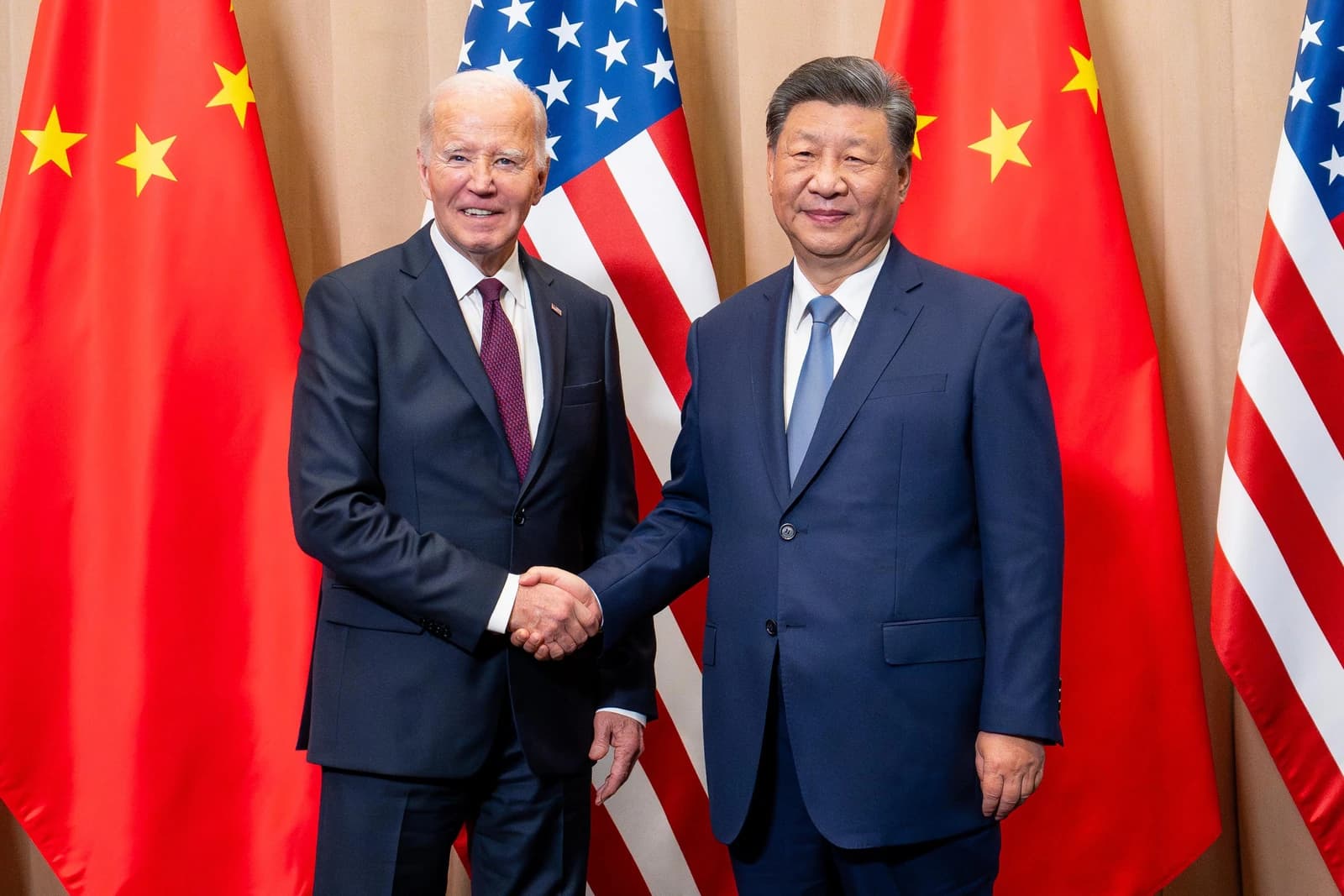
Europe’s trade split with China is looking less like a show of strength and more like a test of how much political pain the continent can actually absorb. While Brussels weighs tougher defenses against economic coercion, Switzerland has just cut the opposite way, signing an expanded free trade deal with Beijing that nearly eliminates tariffs and deepens commercial ties.
Europe-China trade split and Swiss free trade deal
That matters because Europe’s biggest vulnerability is not rhetoric, it’s growth. The region is already dealing with stagnant economies, weak consumer purchasing power and governments that are historically unpopular. In that environment, a drawn-out trade dispute with China would hit exporters, raise costs for importers and add another layer of pressure to a continent already juggling friction with the United States and the fallout from the war in Ukraine.
Sentiment Indicators
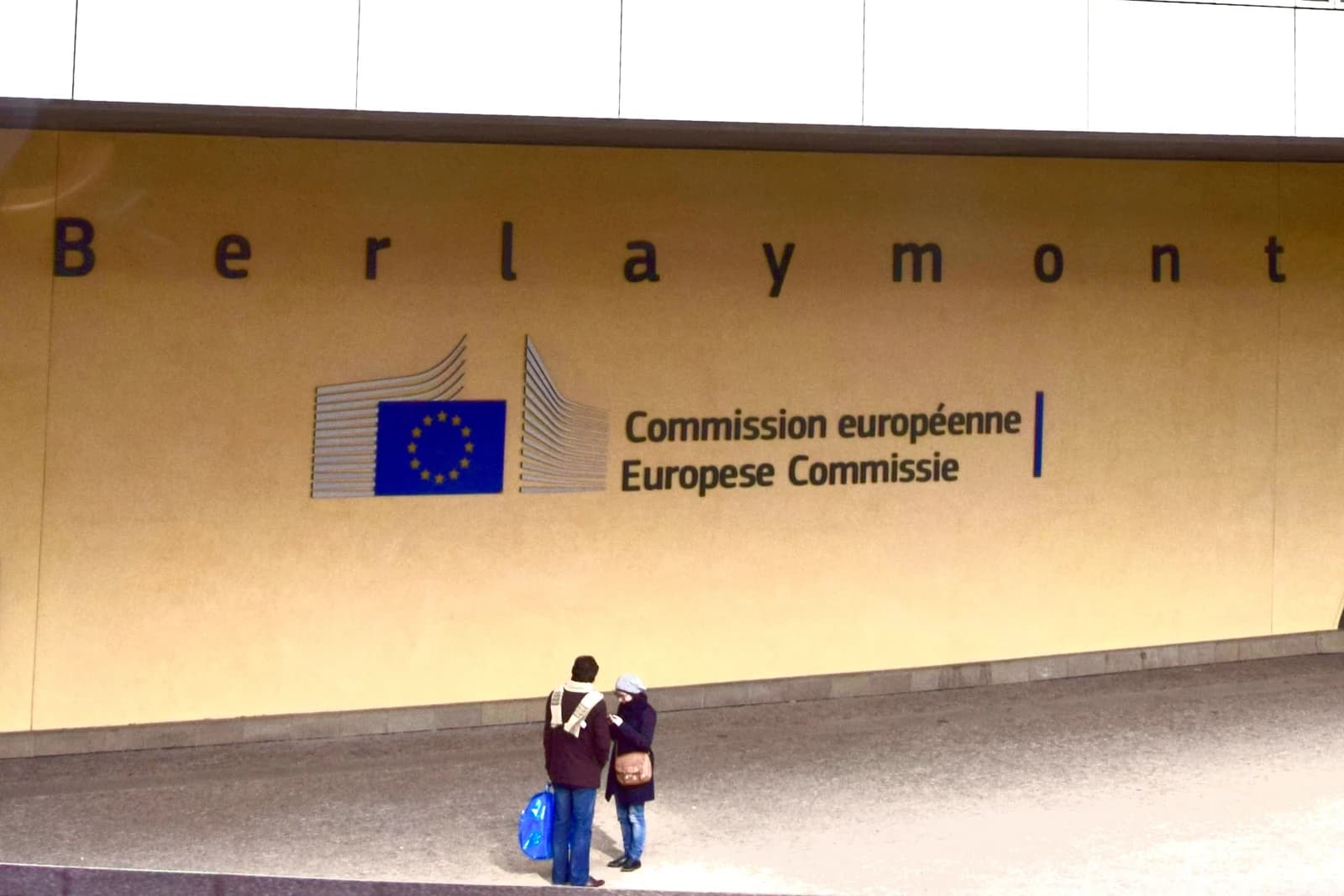
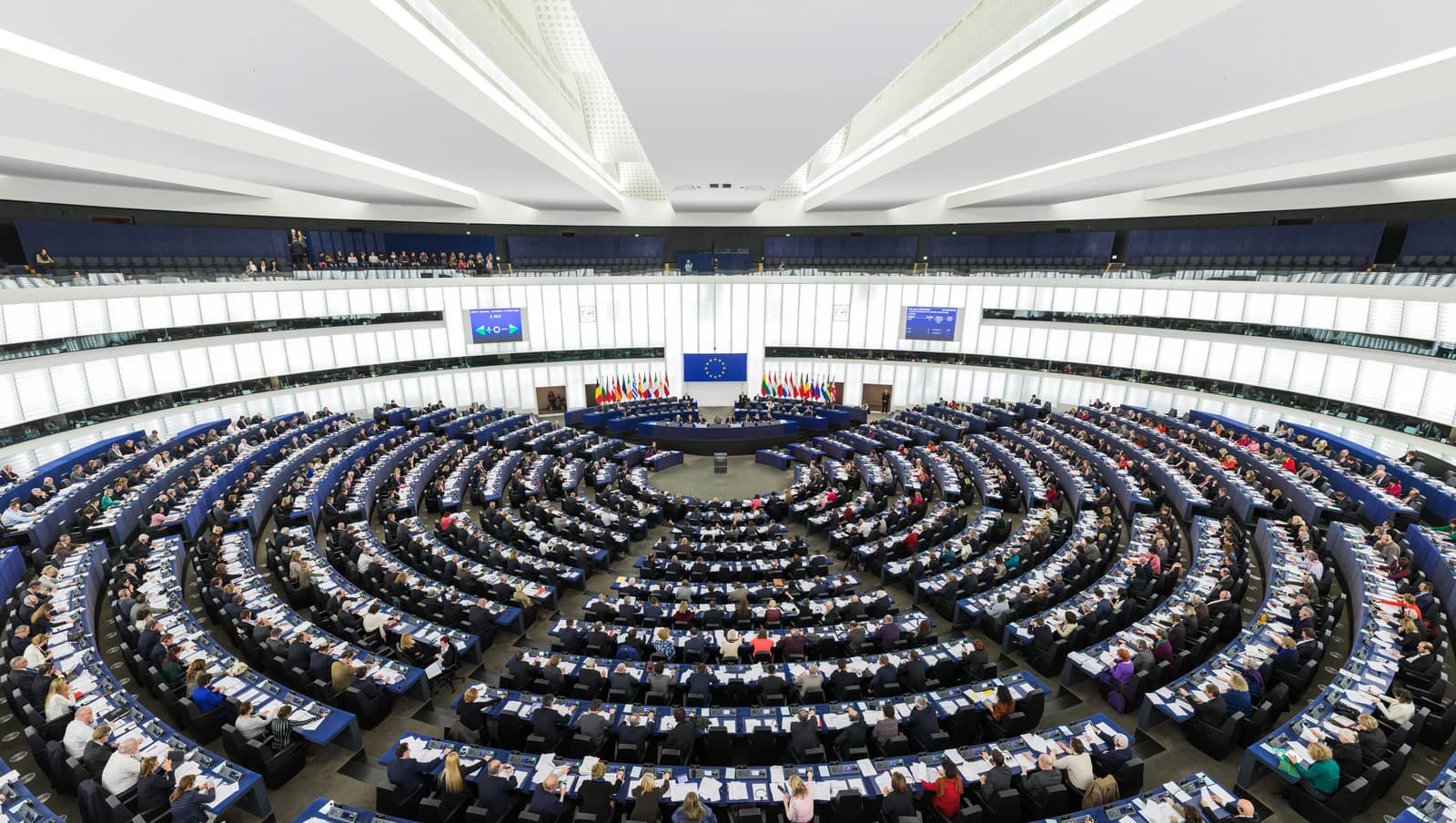
The Swiss agreement is especially telling because it gives investors a live example of what a pragmatic China policy can look like in Europe. Switzerland is now the first European country to secure such a broad free trade arrangement with Beijing, underscoring that some policymakers still see China as a crucial market rather than only a strategic rival. That contrast will resonate across the European Union, where leaders have backed a so-called kill switch mechanism to rapidly restrict access to the single market for countries accused of economic coercion — a tool widely understood to be aimed at China.
For investors, the bigger question is whether Europe can sustain the economic cost of confrontation. The answer so far looks doubtful. FXI, the China large-cap ETF, closed at 33.08 on Oct. 30 and remains below its 200-day moving average of 35.52, while KWEB, the China internet ETF, finished at 22.74 versus a 200-day average near 27.99. Those levels suggest markets are still pricing in caution toward China exposure, even as diplomatic and trade headlines become more combative. By contrast, YINN, the leveraged China bull fund, is still deeply volatile, a reminder that any rally tied to policy optimism can reverse fast.
The technical picture reinforces the idea that this is a policy story with market consequences, not just a political argument. FXI’s relative strength index was 35.1 on Oct. 30, while KWEB’s was 9.3, both signaling weak momentum after a difficult stretch. That does not mean China-related assets are uninvestable. It does mean investors should treat the region as a long-term allocation decision, not a trade built on a single summit or tariff headline.
The long-term narrative is simple: Europe wants leverage, but it also needs China’s demand. Switzerland’s deal shows there is still room for cooperation even as Brussels talks tougher. If Europe pushes too far, it risks hurting itself more than Beijing. If it softens, it may preserve trade flows but weaken its credibility on coercion and security. That balancing act is exactly why this dispute will be hard to sustain — and why investors should keep China, European exporters and cross-border supply chains on the watchlist.
| Entity | Gains | Losses |
|---|---|---|
| Switzerland | ▲Better China market access | ▼Less alignment with EU hawks |
| China | ▲Lower tariffs, wider access | ▼More scrutiny from Brussels |
| EU exporters | ▲Potential leverage on Beijing | ▼Retaliation and weaker demand |
| European consumers | ▲Possible supply-chain stability | ▼Higher import costs if tensions rise |