Xi Jinping has strong incentives to keep a proposed China-Russia-US summit informal, if it happens at all, because a formal meeting in Shenzhen could force Beijing into awkward positions on Ukraine and nuclear arms while distracting from its own economic message at APEC.
China-Russia-US summit could pressure Xi at APEC
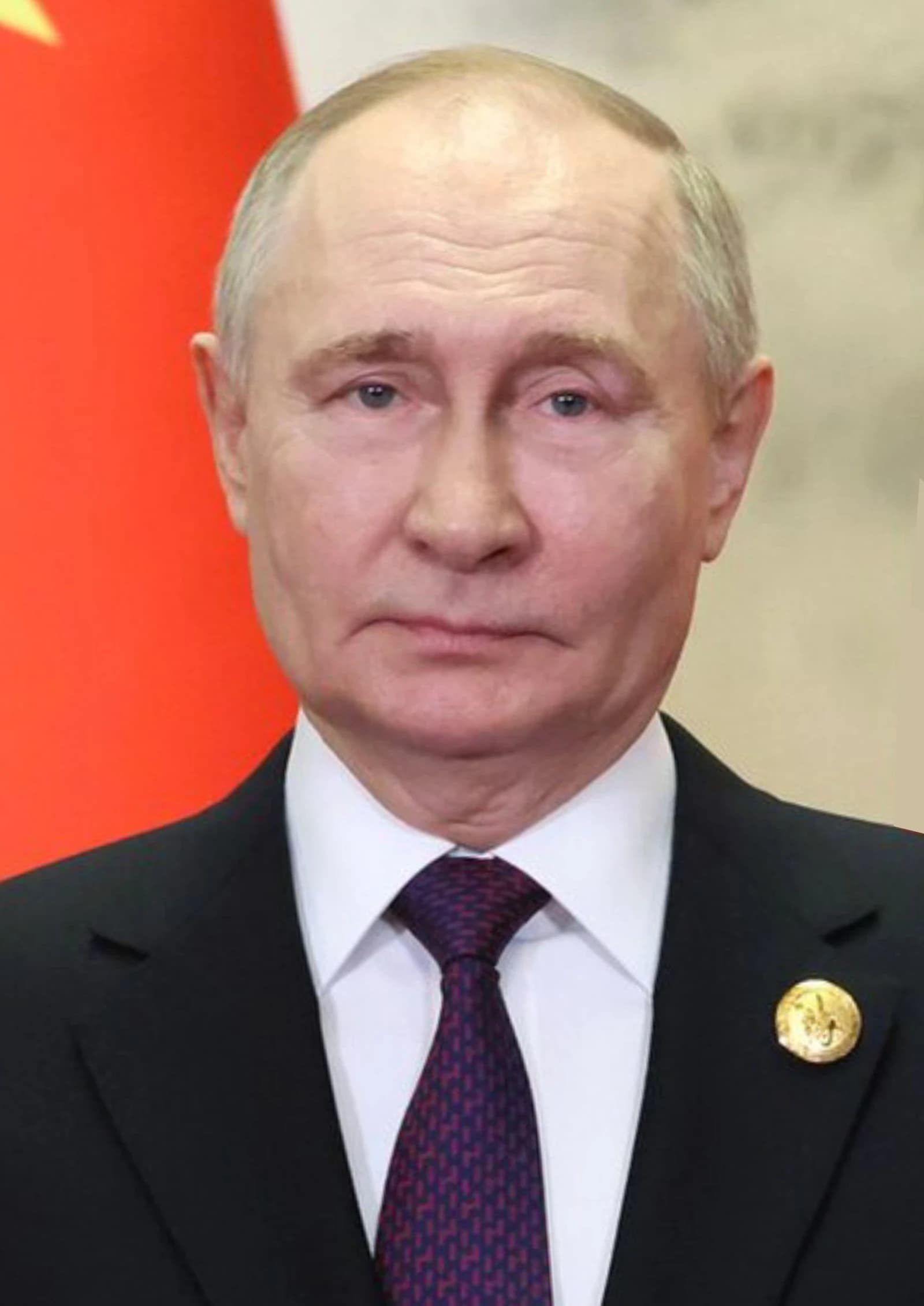
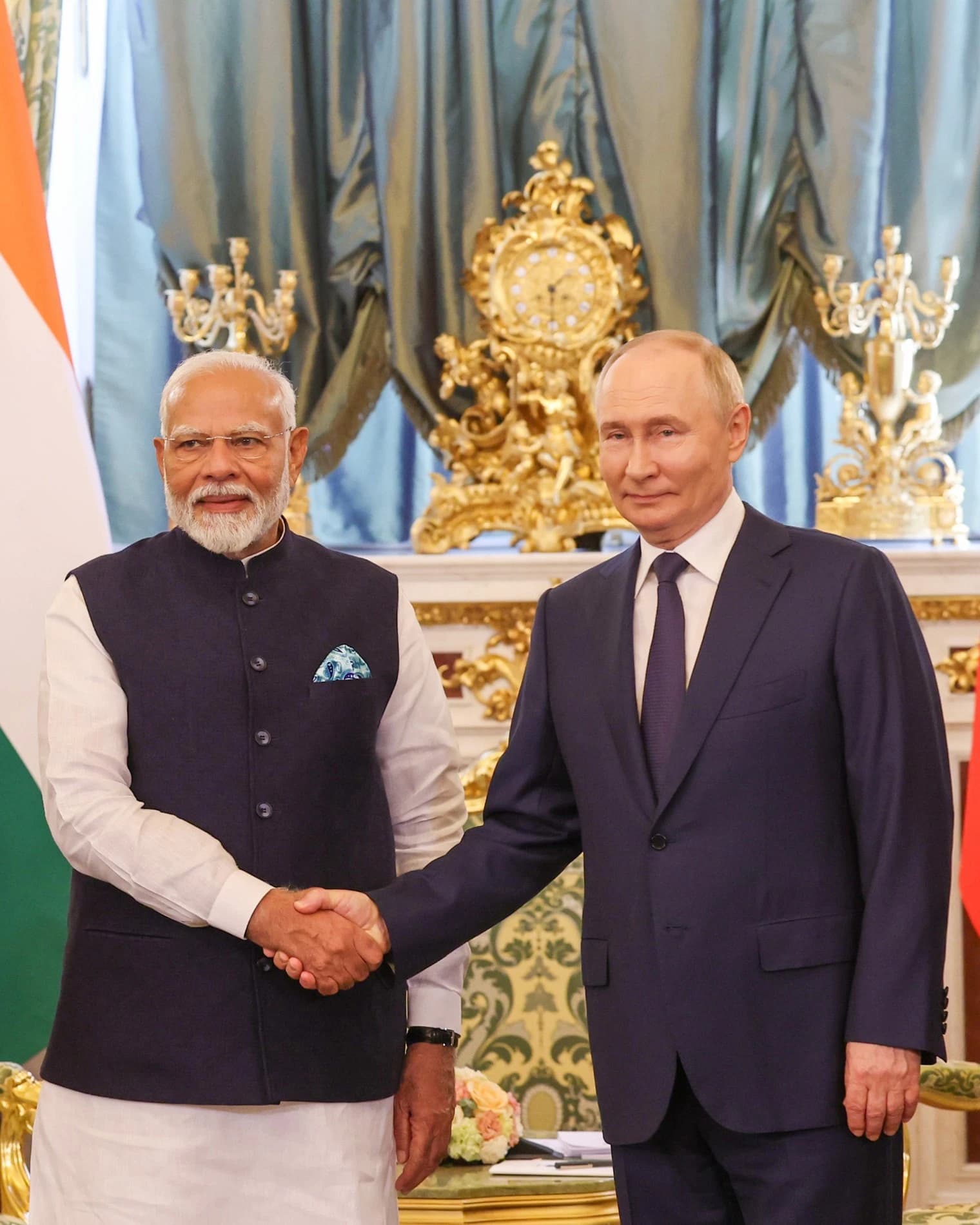
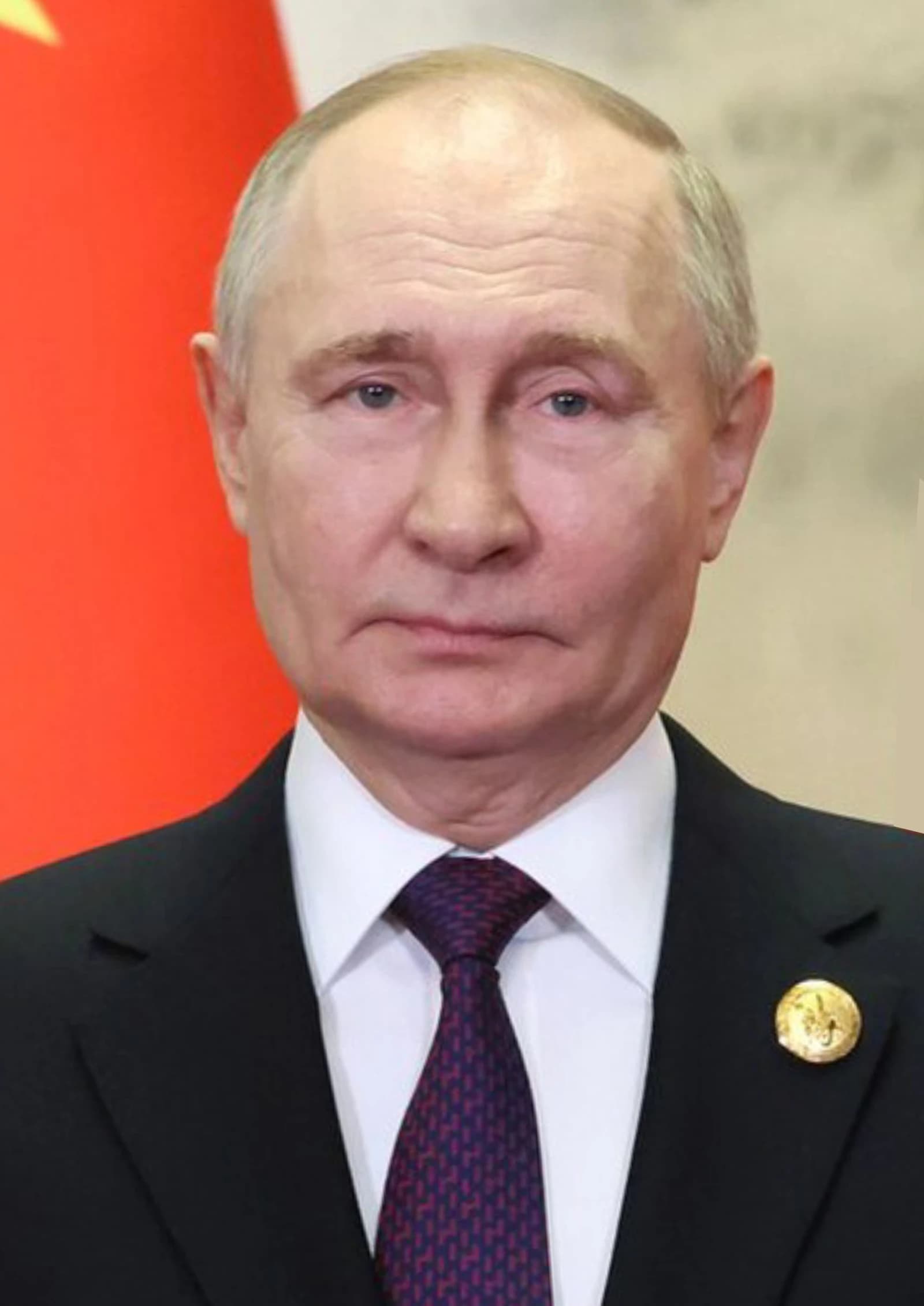
The proposal, backed publicly by Moscow and discussed with Washington, has created a rare diplomatic opening — but also a trap for China. For Russia, a three-way meeting would end diplomatic isolation, elevate Vladimir Putin’s status and potentially split the U.S. and Europe further. For Donald Trump, it offers a chance to cast himself as a dealmaker, with nuclear arms control a possible headline issue. For Xi, by contrast, the upside is largely symbolic, while the downside is strategic: a summit centered on Ukraine without Kyiv would contradict Beijing’s long-standing insistence that both Russia and Ukraine be included in any peace process.
Sentiment Indicators
That is why Beijing’s caution matters. China has benefited from dealing with Washington and Moscow separately, preserving leverage over both. A formal trilateral would weaken that flexibility by putting China in a room where it would be expected to help shape an outcome on Europe’s security order. It would also expose Beijing to pressure on nuclear policy at a moment when it is still trying to defend the gap between its arsenal and those of the United States and Russia. Chinese officials have argued for years that Washington and Moscow must make substantial cuts before China joins any arms talks.
The economic stakes are not zero. APEC is meant to showcase Beijing’s role as a champion of openness, innovation and regional trade cooperation. A heavily politicized summit could swamp that agenda, turning what China wants to present as an economic forum into a stage for great-power bargaining over war, sanctions and strategic weapons. That would be an uncomfortable backdrop for a country trying to reassure investors and trading partners that it remains focused on growth and regional stability rather than bloc politics.
Geopolitical Risk vs FXIadalytica.com
Explore this data interactively — full history, time series and cross-market comparisons.
The market reaction has been more nuanced than the geopolitics. China-focused exchange-traded funds have been volatile, reflecting the broader tension between policy support hopes and external risk. The iShares China Large-Cap ETF, FXI, was trading around $33.08 on Friday after falling below its 50-day moving average of $34.19, a sign that momentum has weakened even as headline risk builds. The broader MSCI Emerging Markets ETF, EEM, was at $61.04, also below its 50-day average of $66.11. While those technical levels are not a direct read on summit diplomacy, they show investors remain cautious on China-linked assets even before any fresh geopolitical surprise.
The Adalytica GEORISK gauge, which tracks global stability sentiment, has also turned sharply more positive on the surface while awareness remains in “Extreme Fear,” suggesting markets are prone to underprice tail risks until they materialize. That gap matters for investors because a formal trilateral could move quickly from symbolic diplomacy to a larger reassessment of sanctions risk, Europe-U.S. relations and China’s strategic positioning.
A more informal encounter would suit Xi better. It would let him host Trump and Putin without fully endorsing a three-way agenda, preserving Beijing’s ability to frame the meeting as a broader exchange on the global economy or major-power relations rather than a negotiation over Ukraine’s future. That would reduce the risk of setting a precedent in which the leaders of the U.S., Russia and China appear to decide Europe’s security order without Europe or Ukraine present.
The next catalyst is whether Beijing publicly blesses the summit format before APEC and whether any parallel Ukraine talks advance elsewhere, including the reported discussions in Abu Dhabi. For investors, the key question is not just whether the meeting happens, but whether China is pulled from stage manager into participant — and whether that shifts the balance between diplomatic theater and actual policy risk.
| Entity | Gains | Losses |
|---|---|---|
| Russia | ▲Diplomatic legitimacy | ▼Isolation narrative |
| Trump administration | ▲Dealmaking optics | ▼Agenda control |
| China | ▲Hosting leverage | ▼Strategic flexibility |
| Europe/Ukraine | ▲Exclusion resistance | ▼Bargaining leverage |