The European Union has pushed back final climate rules affecting oil, gas and coal, a sign policymakers are still prioritizing energy security and price stability over a full-speed regulatory squeeze on fossil fuels.
EU Delays Final Fossil-Fuel Climate Rules
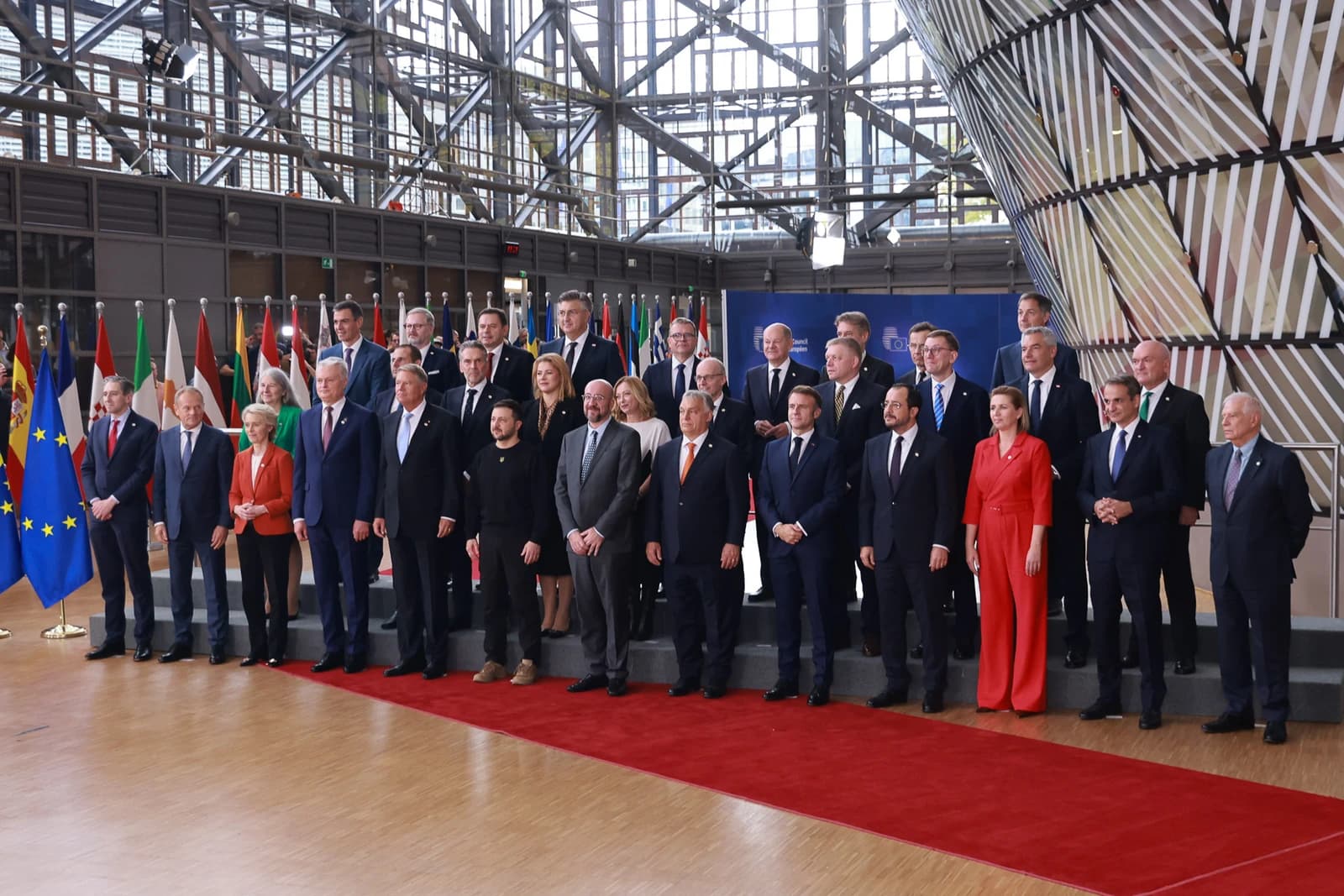
The delay matters because it extends breathing room for Europe’s energy system at a time when crude prices remain near $90 a barrel and benchmark interest rates are still high enough to keep pressure on households, industry and governments. It also shows how climate policy is being reshaped by the economics of the post-crisis energy market: Brussels is not abandoning decarbonization, but it is moving more cautiously where tighter rules could feed through to supply costs.
Sentiment Indicators
Oil WTI
That shift is visible in market pricing. US oil proxy USO has climbed from roughly $120 in late summer to $133.36 on Monday, even after a recent pullback, while the energy sector ETF XLE is still trading well above its 200-day moving average despite a sharp three-day selloff to $59.87. Both moves suggest investors are still pricing in a structurally tighter energy backdrop, even as short-term momentum has cooled and technical indicators on XLE show a weak RSI reading near 25 and a MACD below its signal line.
Natural gas has not escaped the policy recalibration. UNG slipped to $9.86, but the broader message from Brussels is that import rules, methane oversight and related compliance burdens will be phased in more slowly than many climate advocates had hoped. For producers, that lowers near-term regulatory friction. For refiners, utilities and importers, it reduces the risk of immediate cost inflation. For consumers and industrial users, it helps contain bills in a region still sensitive to energy shocks.
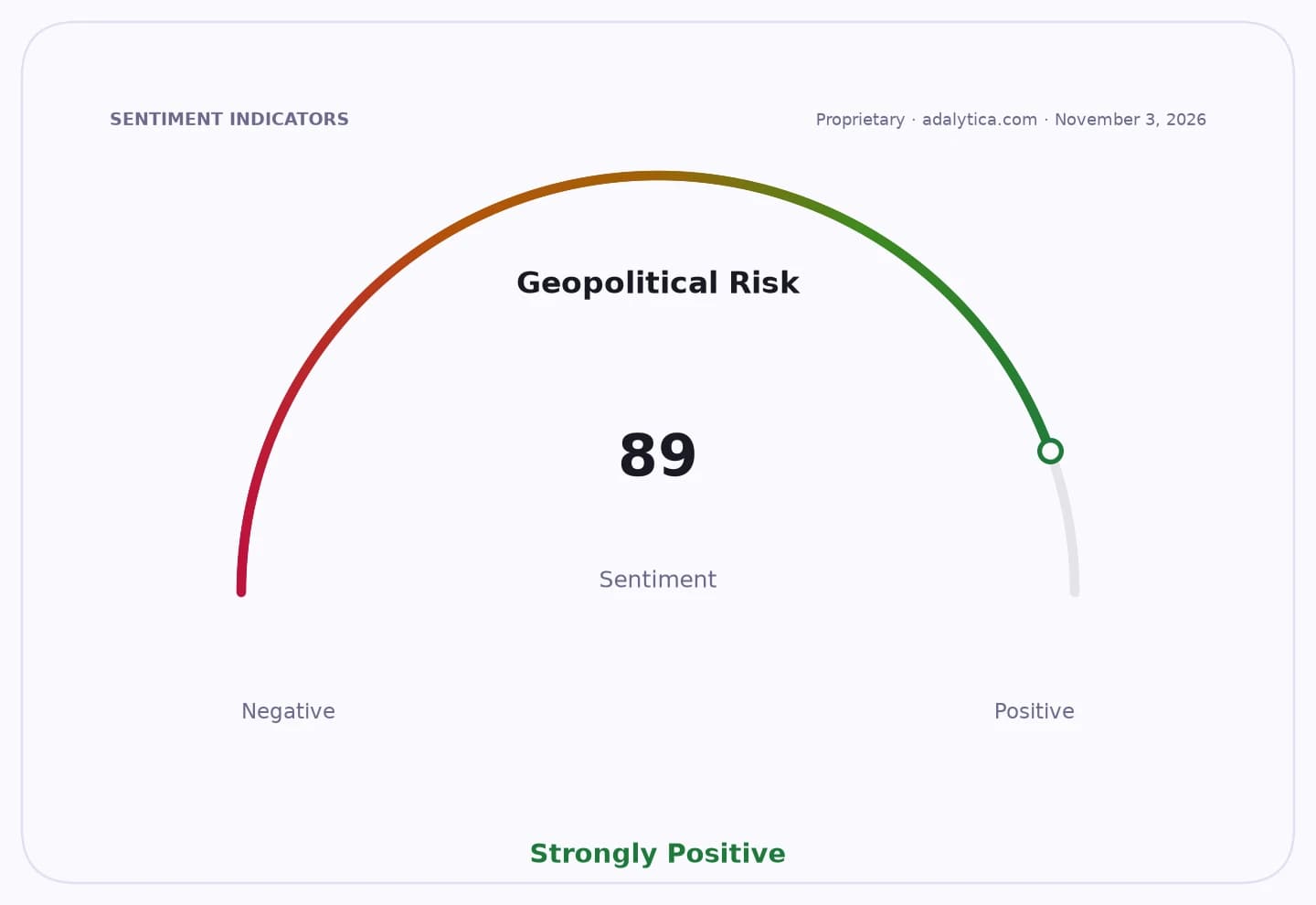
Geopolitical Risk
The EU’s approach also reflects a political trade-off. Member states want cleaner power and faster electrification, but they do not want another surge in energy prices to undermine growth or fuel voter backlash. That is why the bloc is coupling the delay with faster permitting for renewables rather than pausing its climate agenda outright. In practice, Brussels is trying to accelerate wind, solar and grid investment while buying time on the most politically sensitive fossil-fuel measures.
Investors will read the move as supportive for energy companies’ near-term cash flows and for commodity-linked assets, but not necessarily as a straight-line bullish catalyst. Oil at around $89.56 a barrel in the latest forecast remains high enough to keep inflation sticky, yet the pullback in XLE and the cooling in USO show how quickly profit-taking can set in when macro sentiment shifts. The bigger question is whether policymakers can keep postponing tighter fossil-fuel rules without slowing the energy transition itself.
For now, the EU has chosen pragmatism over purity. That helps shield markets from another near-term policy shock, but it also confirms that Europe’s climate path will be dictated as much by the price of energy as by the urgency of the climate targets.
| Entity | Gains | Losses |
|---|---|---|
| Oil, gas and coal producers | ▲Less regulatory pressure | ▼Faster compliance costs |
| Energy consumers and industry | ▲Lower near-term costs | ▼Less immediate climate tightening |
| Renewable developers | ▲Faster permitting support | ▼Policy focus diluted by delays |
| Climate advocates | ▲Longer-term transition intact | ▼Slower fossil-fuel phaseout |