The European Union’s decision to reject a draft COP31 climate pact has blown up a summit already straining under the weight of a far bigger problem: the world is still arguing over who should pay to replace coal, oil and gas, and that deadlock is slowing the policy certainty investors need to finance the energy transition.
EU Rejects COP31 Draft as Energy Trade Shifts
The collapse of the Antalya Pakt in Turkey matters because climate negotiations are no longer just about emissions targets; they are about capital allocation on a trillion-dollar scale. Without agreement on how fast fossil fuels should be phased down and how developing countries will be funded, governments leave the market with the same hard questions that have haunted the transition for years: who pays for grids, renewables, storage, adaptation and carbon capture, and how much policy risk should be priced into energy assets today?
Sentiment Indicators
Coal
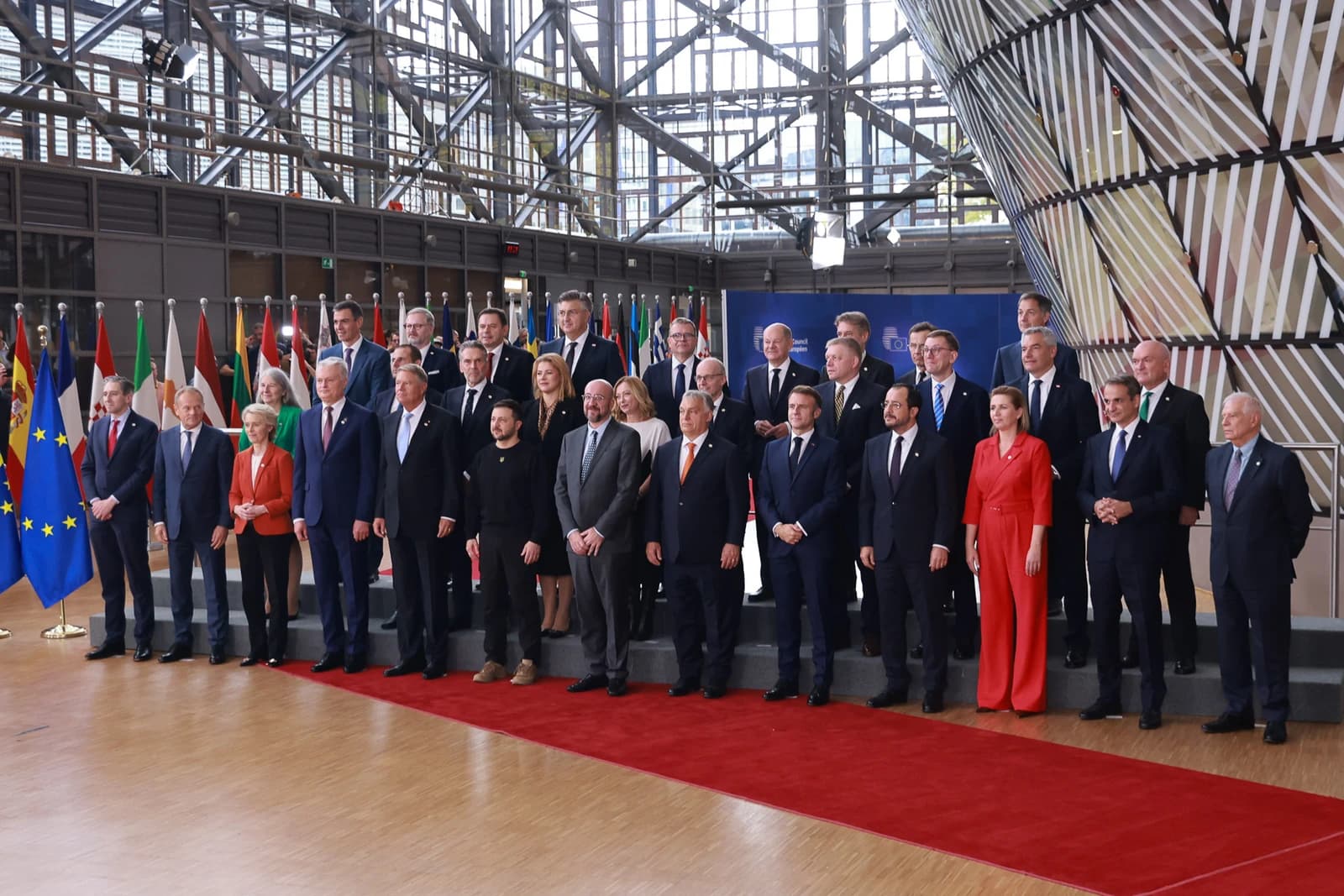
The EU’s objection came after negotiators from Turkey and Australia stripped out language linking electrification to “clean” power and removed any explicit reference to a fossil-fuel exit. That left European officials, along with Britain, Norway and several island states, unwilling to sign off on a text they saw as too soft. Behind them stood a larger bloc of emerging markets — including India, China, Russia and Gulf producers — that resisted new obligations while pressing rich countries for more financial support.
For investors, the immediate takeaway is not that the transition has stalled. It hasn’t. The International Energy Agency says the world is moving deeper into an age of electricity, with solar power driving more of the growth in global electricity output in 2025 than any other source and contributing more to the rise in total energy demand than any other source. China and Saudi Arabia also used the sidelines of the summit to announce billions in renewable-energy investment, a reminder that political theater and capital deployment are increasingly diverging.
That divergence is exactly where the opportunity lies. The market still underprices the second-order beneficiaries of electrification: grid builders, transmission equipment makers, renewable developers, battery and storage suppliers, and the utilities that can monetize rising load from data centers, industry and transport. ETFs such as ICLN have been punished even as the structural demand case for clean power, grid hardening and energy infrastructure keeps improving.
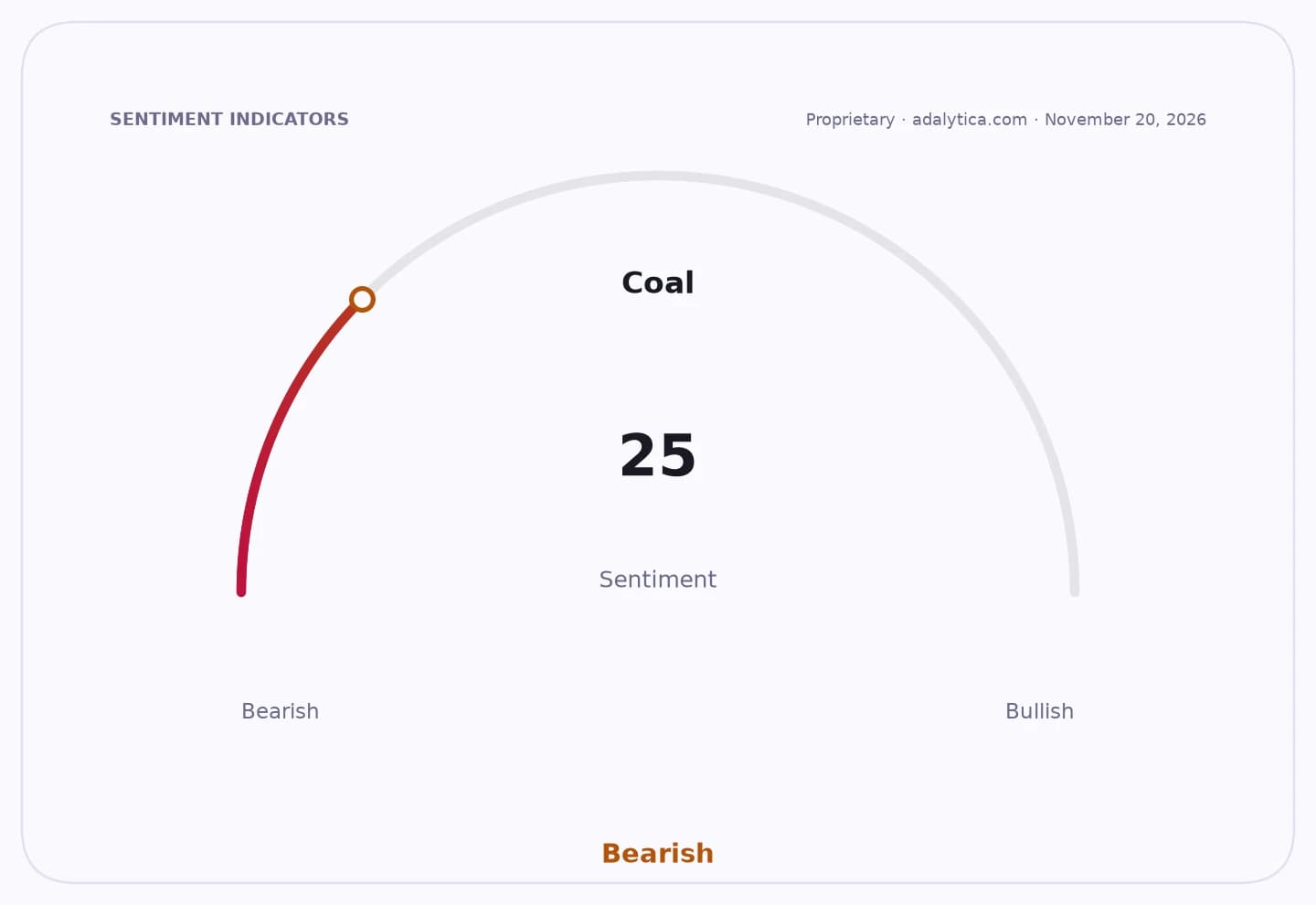
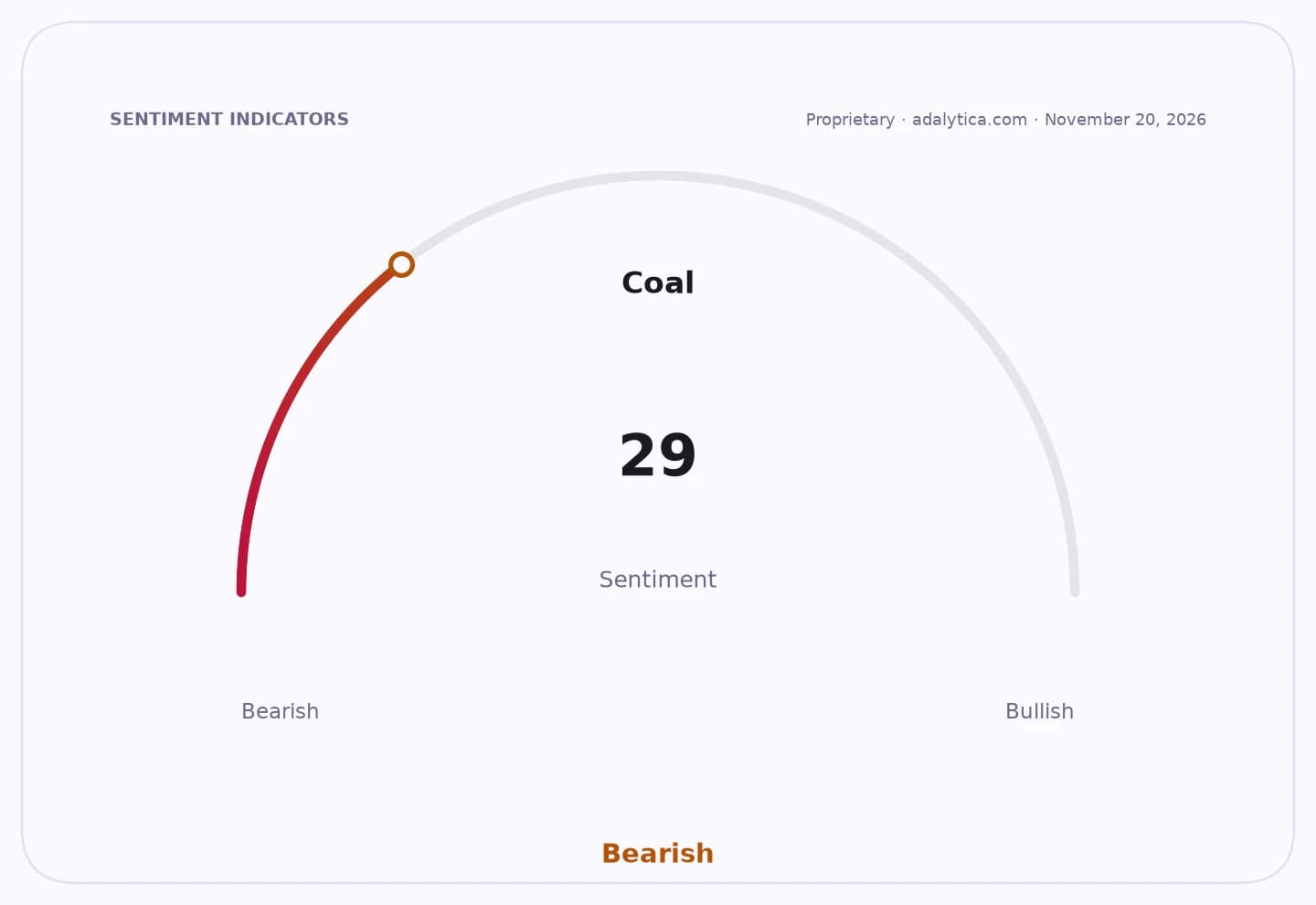
The fossil-fuel side of the trade is facing a different setup. Adalytica’s Coal Fear & Greed Index shows extreme fear around coal, while WTI-linked trade signals still point to greed in oil, underscoring a split market where coal looks increasingly stranded but oil remains a cash-flow generator. That tension helps explain why the Energy Select Sector SPDR Fund, XLE, and broad oil exposure via USO can still draw capital even as their technical picture has weakened sharply in recent sessions.
XLE has fallen back to $59.87 after trading above $70 in late October, while its 14-day RSI has dropped to about 25, a sign the sector is deeply oversold on conventional technical indicators. USO has slid to $133.36 from a recent peak above $160, with RSI near 24 and a bearish MACD crossover. In other words, the near-term trade is volatile, but the long-term thesis remains intact: oil cash flows can stay resilient even as policy rhetoric turns more hostile, while clean-energy winners are likely to outperform when capital finally follows infrastructure necessity rather than summit language.
The bigger message from COP31 is that climate politics remains trapped between ambition and finance, but markets cannot wait for diplomats to resolve it. The most asymmetric positioning now is to own the picks-and-shovels of electrification and grid expansion, while treating high-carbon assets as tactical trades rather than durable compounding stories. The deal may have failed in Antalya, but the investment case for the transition is still very much alive.
| Entity | Gains | Losses |
|---|---|---|
| Clean-energy infrastructure | ▲Policy urgency, long-duration demand | ▼Summit delay, funding uncertainty |
| Oil producers | ▲Near-term cash flows, energy-price leverage | ▼Long-run policy pressure |
| Coal producers | ▲Tactical pricing rebound | ▼Extreme fear, structural decline |
| EU climate negotiators | ▲Moral high ground, tougher standards | ▼Diplomatic credibility, deal failure |