The European Union says it does not face an immediate gas-supply risk even though storage levels are below those of recent years, a sign the bloc enters the winter with thinner buffers but a more flexible market than during the 2021-22 energy crisis.
EU says no immediate winter gas supply risk

That judgment matters because gas remains a key swing fuel for power generation, industry and household heating across Europe. If the Commission is right, the region should avoid emergency intervention this winter; if weather, geopolitics or LNG outages tighten the market further, prices could still spike and pressure energy-intensive sectors.

The European Commission said after a meeting of its Gas Coordination Group that the bloc is “more prepared” than during the previous crisis thanks to more diversified supply, greater LNG import capacity and lower demand. The Commission also said the system is resilient enough to absorb lower storage levels through the coming winter and that, based on historical projections, there is no current reason to step in.
The message is designed to calm a market that has already shown signs of strain. EU storage was 65.85% full on Wednesday, according to Gas Infrastructure Europe, well below the levels usually seen heading into the heating season but still above the point at which the bloc would be forced into panic buying. Under EU rules, member states must reach 90% storage between Oct. 1 and Dec. 1.
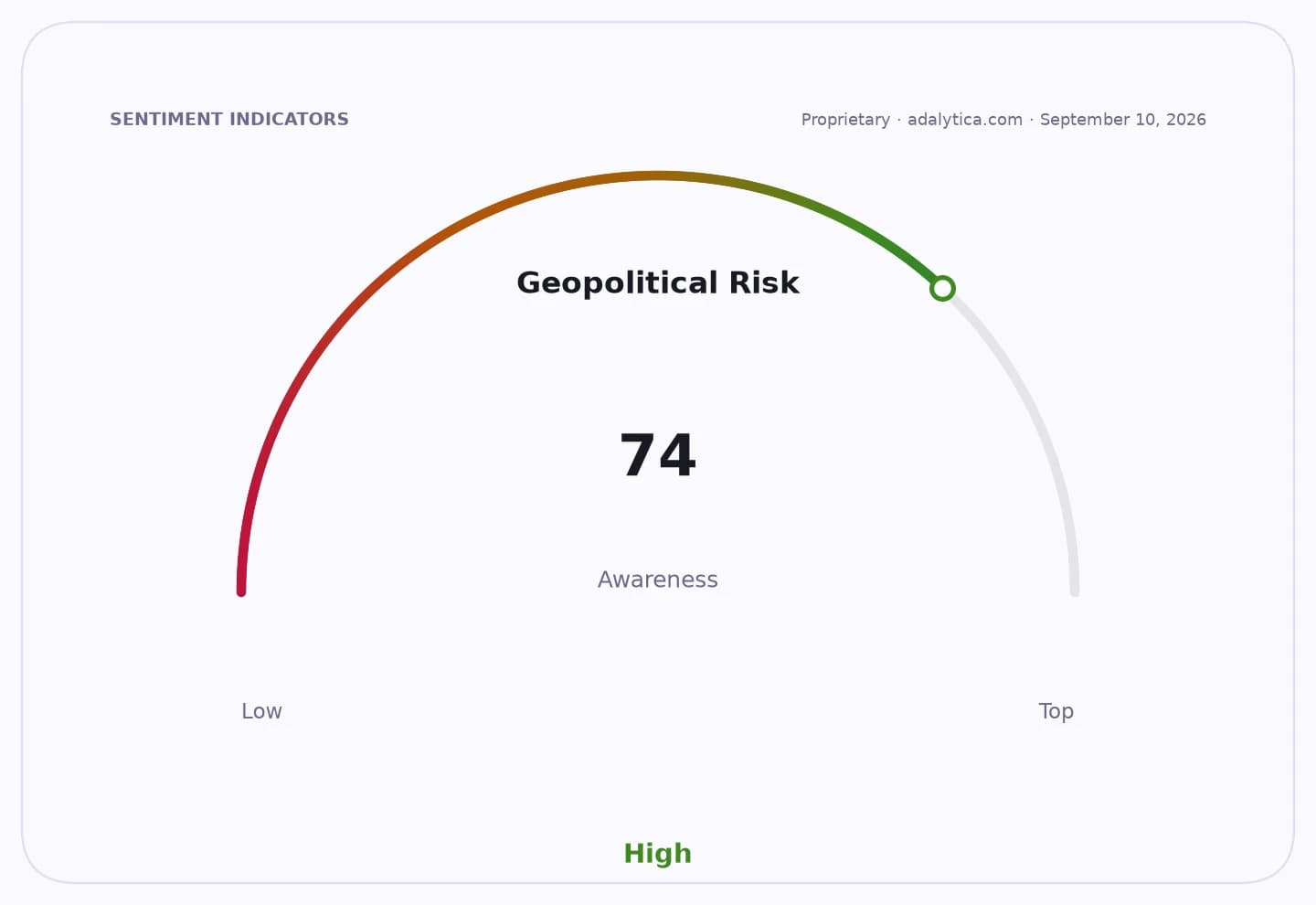
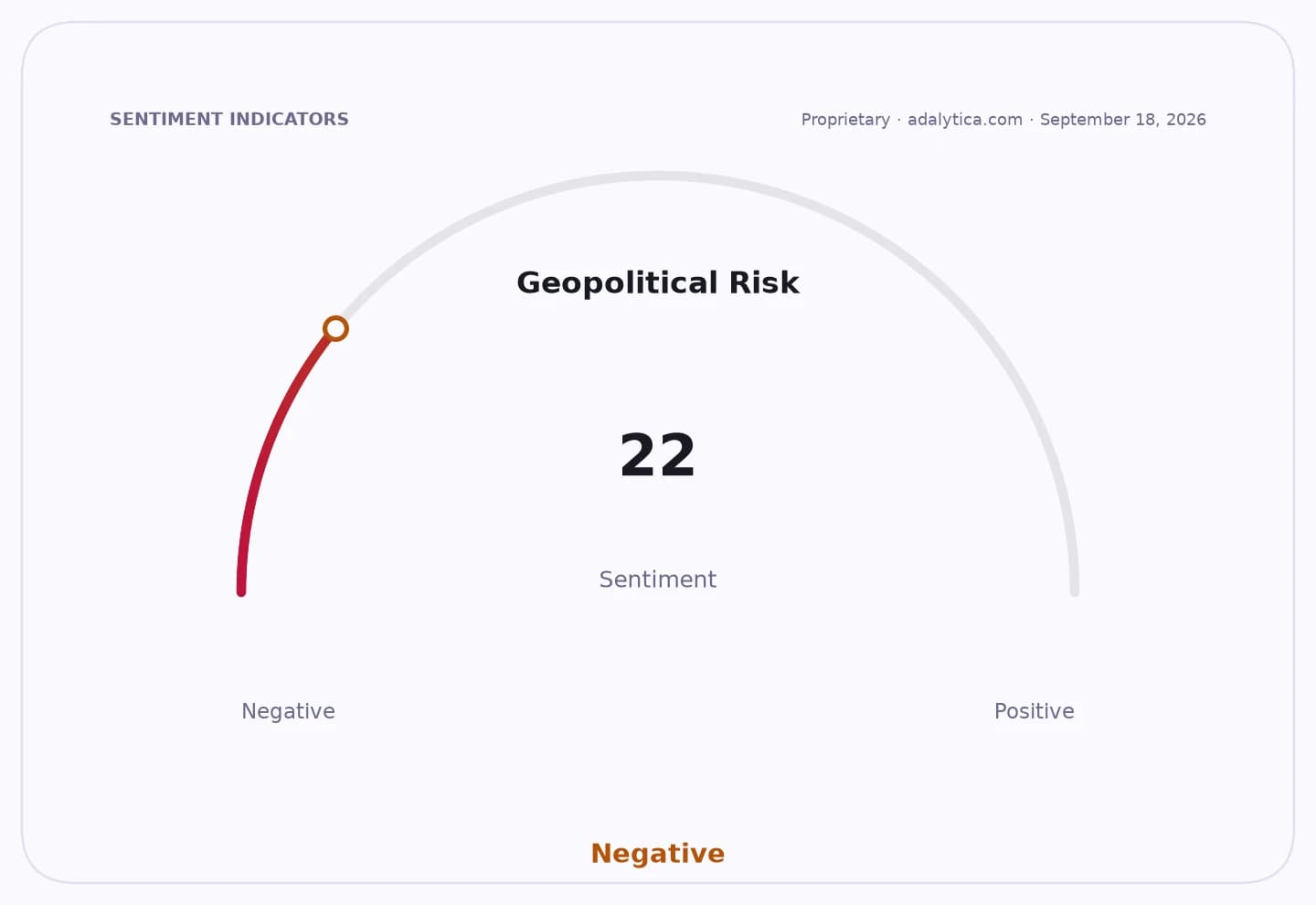
What complicates the outlook is that the supply cushion is thinner just as outside risks have intensified. Brussels cited continued instability in the Middle East, the suspension of Qatar LNG production and recent heat waves in Europe that have increased gas burn for electricity generation. Those factors have helped keep energy prices volatile and leave the market vulnerable to any further outage, pipeline disruption or cold snap.
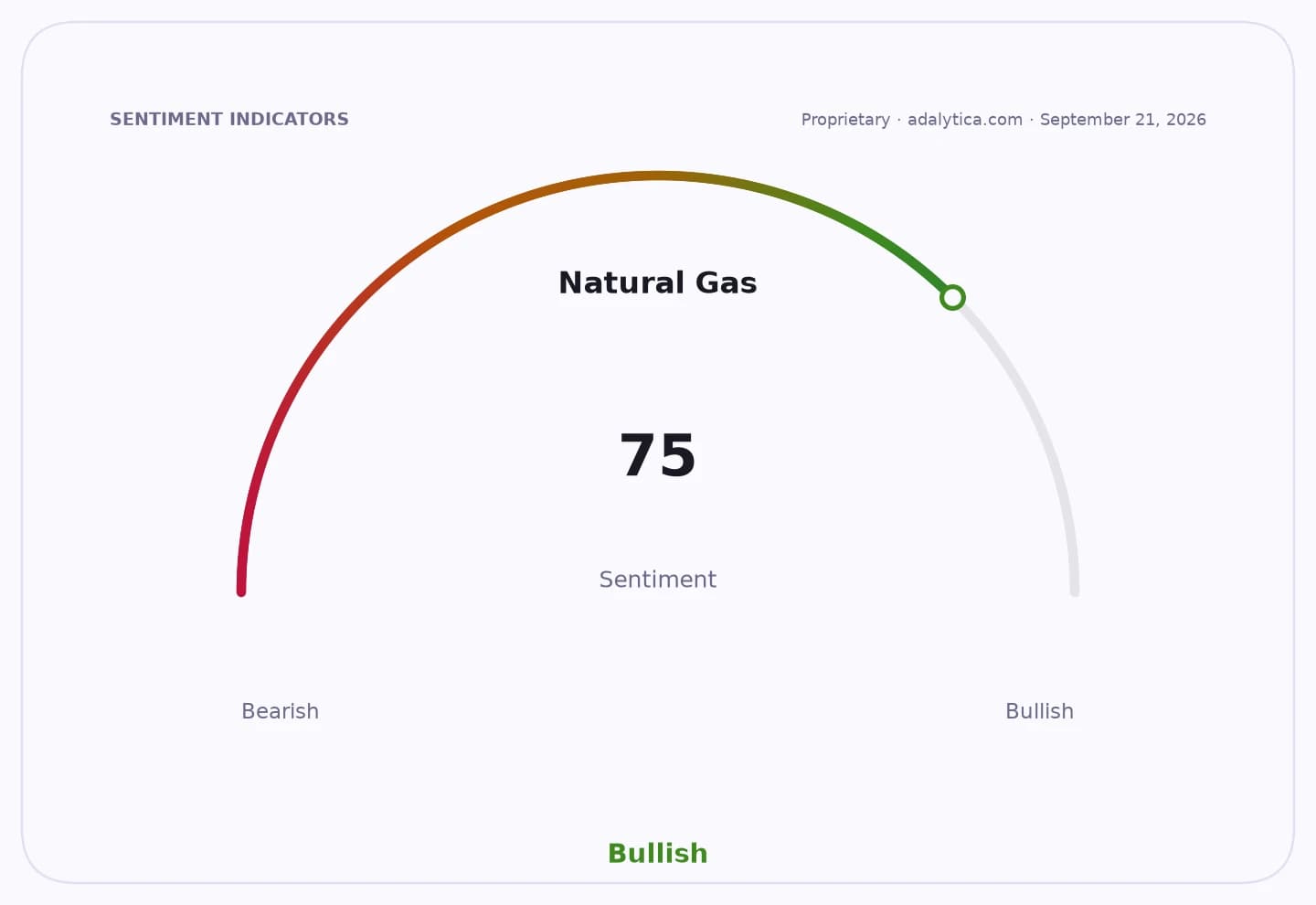
For investors, the immediate read-through is mixed. The Commission’s assessment reduces the odds of blunt policy intervention that could distort prices or trigger forced procurement. But it does not remove the upside risk in European gas benchmarks, particularly if storage injections slow or winter demand arrives early. The natural-gas ETF UNG and Europe-linked energy exposures have already reacted to the broader tightening in global energy sentiment, while the TTF benchmark has been trading with elevated momentum and strong technical support after a recent surge.
The market backdrop also argues against complacency. Brent-style oil volatility has widened as geopolitical risk has lingered across the Middle East, and European gas has been forced to compete more aggressively for LNG cargoes. That dynamic matters for utilities, industrial users and governments because the marginal cost of securing supply can rise sharply once traders begin pricing in scarcity rather than adequacy.
For now, the EU’s position is that this is a stress test, not a repeat of the emergency years. The next checkpoint is the Gas Coordination Group meeting set for Sept. 24, with storage progress, LNG flows and weather forecasts likely to determine whether Brussels keeps its hands off or is forced back into crisis-management mode.
| Entity | Gains | Losses |
|---|---|---|
| EU governments | ▲Avoid emergency intervention | ▼Face higher winter price risk |
| LNG suppliers | ▲Stronger demand for cargoes | ▼Export disruptions hit revenue |
| Energy-intensive industry | ▲No immediate rationing threat | ▼Vulnerable to price spikes |
| Gas bulls | ▲Support from tighter balances | ▼Bear case if storage improves |