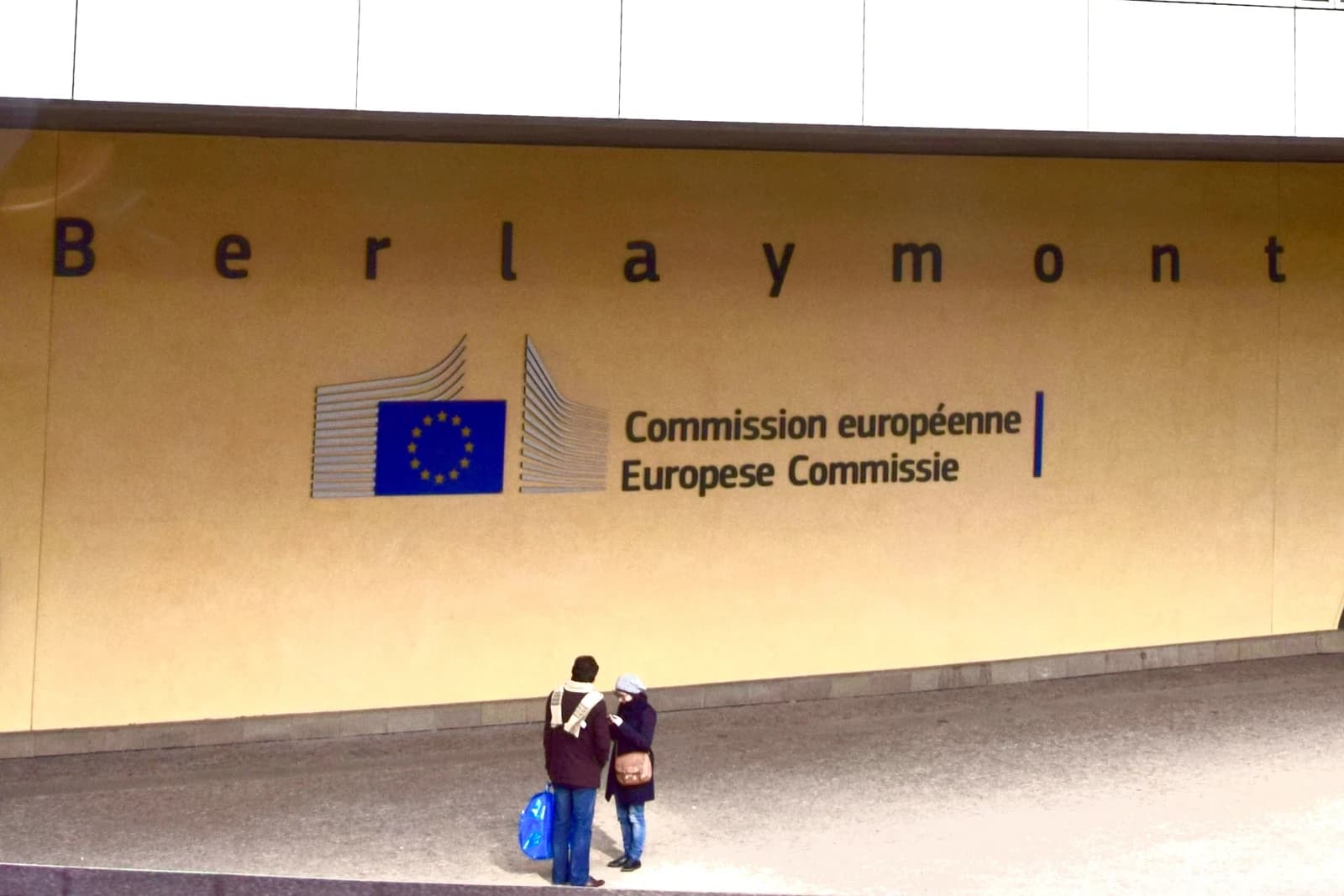
Europe’s drive for payment sovereignty is moving from a policy wish list toward a practical business question: can the EU build a continent-wide instant-payments system without relying on American rails that could one day be pulled into US sanctions policy?
EU payments sovereignty and Visa Mastercard
That matters because payments are not just plumbing. Whoever controls the network can influence fees, data, settlement speed and, in extreme cases, access itself. For Europe, the risk is strategic dependence on Visa and Mastercard for everyday commerce and cross-border transactions. For investors, it is a reminder that regulation and geopolitics can reshape even the most entrenched global franchises, creating both new opportunity and new scrutiny.
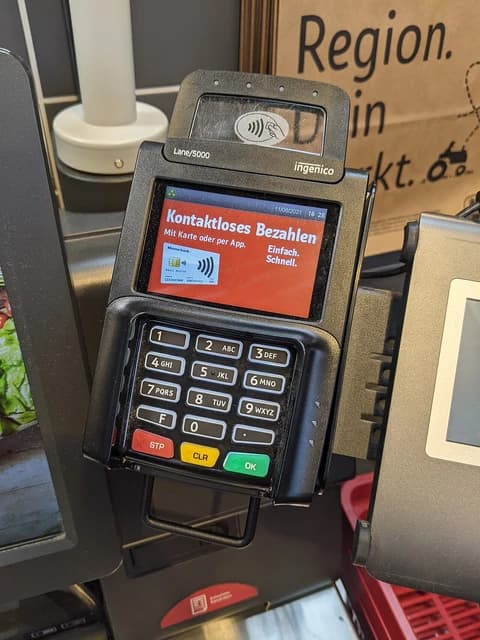
The proposal gaining traction in Brussels is often described as a “European Bizum” — a reference to Spain’s popular instant-payment app — with the goal of giving consumers and businesses a faster, locally governed alternative for sending money across borders. The political logic is straightforward. If Europe wants financial strategic autonomy, it cannot keep leaning indefinitely on US card networks and dollar-linked infrastructure for a core utility of modern commerce.
That does not mean Visa and Mastercard are suddenly on the outside looking in. In fact, the likely route to a workable system may run through them. The EU has little interest in breaking payments overnight; it wants leverage, resilience and optionality. That leaves room for the card giants to participate, whether through interoperability, settlement services or partnerships that preserve their relevance in a more fragmented regulatory world.
For Visa, the long-term investment case still rests on scale, high margins and the continued shift from cash to digital payments. The stock has been resilient, trading around $364 recently after a strong run and still sitting above both its 50-day and 200-day moving averages. Mastercard has shown a similar pattern, with the shares near $569 and likewise above both key averages. Those are signs of sturdy businesses, not complacent ones.
But the technical picture also hints that much of the easy money may already have been made. Visa’s recent pullback from July highs followed an overbought stretch, while Mastercard has held up better but is no longer cheap on momentum alone. Investors should remember that both companies are mature compounding machines, not speculative growth stories. Their upside over the next decade will depend on whether they keep expanding transaction volume and defending pricing power as governments, fintechs and central banks push for more domestic control.
The broader economic backdrop helps explain why this debate is getting louder. In an era of sanctions, trade frictions and rising suspicion of dollar dominance, payment networks are increasingly viewed as instruments of national security as much as financial infrastructure. Europe’s effort to build its own system is part of a wider move to reduce single-point dependence in energy, defense, cloud and payments.
For shareholders, the key question is not whether Visa and Mastercard are in danger of disappearing. It is whether their business models can adapt to a world where governments want more control over the rails. The most likely outcome is not collapse, but coexistence: more local schemes, more regulatory demands and continued global demand for networks that still do what they do best.
Long term, that makes both stocks worth watching rather than rushing to abandon. If Europe succeeds, it could trim the moat around US card networks at the margin. If Visa and Mastercard become part of the solution, they may end up embedding themselves even deeper in the next generation of payments.
| Entity | Gains | Losses |
|---|---|---|
| EU policymakers | ▲Payments autonomy | ▼Reliance on US rails |
| Visa and Mastercard | ▲New partnership roles | ▼Monopoly-like control |
| European consumers and merchants | ▲Faster local transfers | ▼Fewer foreign dependencies |
| US sanctions leverage | ▲Less reach in Europe | ▼More limited payment influence |