The European Union is racing to renew sanctions on more than 3,000 Russians and firms before a Sept. 15 deadline, but Slovakia’s demand to delist two oligarchs is threatening to delay the rollover and weaken Brussels’ next round of pressure on Moscow.
EU races to renew Russia sanctions before Sept. 15

That matters because the sanctions regime is not just symbolic. It underpins asset freezes and visa bans on some of the Kremlin’s most politically connected figures, and any gap in the legal renewal process could give Russia room to argue the bloc is losing momentum just as Europe seeks to tighten the screws over the war in Ukraine and alleged hybrid attacks.

EU diplomats are trying to avoid that outcome by stretching the current blacklist extension from the usual six months to a full year, mirroring the approach taken in June for sectoral sanctions on Russia’s energy, steel and financial sectors. The longer timeline is meant to reduce the frequency of veto battles and make it harder for any one capital to hold the package hostage.
Bratislava is reportedly asking for Russian-Uzbek oligarch Alisher Usmanov and Russian-Israeli billionaire Mikhail Fridman to be removed before it backs the rollover. Both men were sanctioned in 2022, and while Usmanov has lost EU court challenges, Fridman won a partial case last year even though he remains listed under updated criteria.
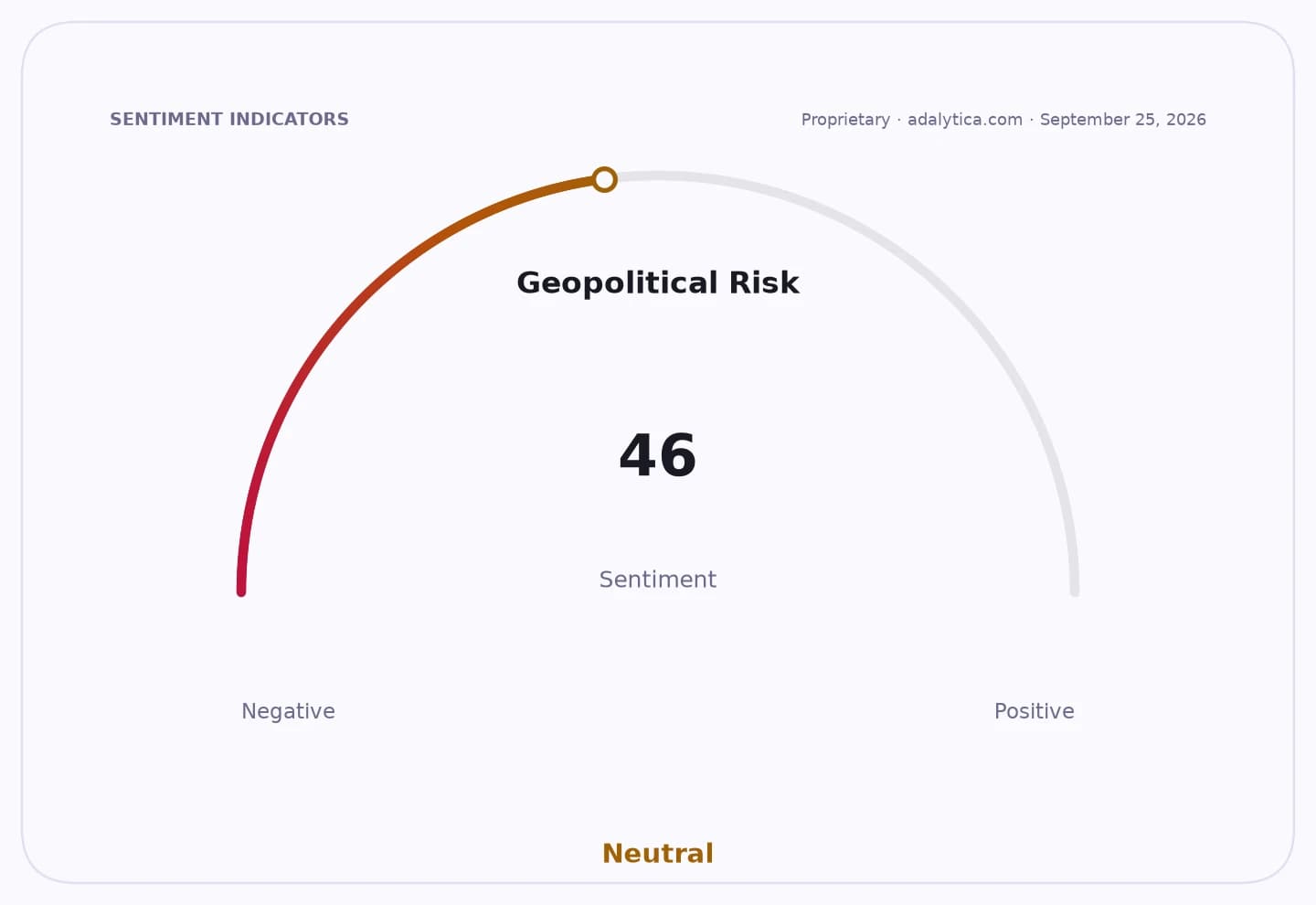
Geopolitical Risk — 30-day sentimentadalytica.com
Explore this data interactively — full history, time series and cross-market comparisons.Open AlphaPulse

The standoff comes as the bloc is preparing a larger sanctions package of around 1,600 people and entities, mostly tied to Russia’s defense industry, after Germany blamed Moscow for drone incidents that shut Leipzig airport in August. Berlin has already closed the Russian consulate in Bonn and Russia House in Berlin, and officials say it may simply fold its proposed additions into the EU list once the political logjam clears.
A smaller package is expected to move first, with Brussels likely to approve sanctions on Sept. 9 against 10 people and 17 entities accused of the systematic unlawful deportation of Ukrainian children. The list includes officials in occupied territories and the Songdowon International Children’s Camp in North Korea, which the EU says is part of a transfer network for Ukrainian children.
For investors, the direct market impact is limited, but the message is broader: sanctions risk is still escalating, not easing, and the legal machinery in Europe remains vulnerable to internal veto politics. That keeps pressure on Russian-linked assets, supports the case for tighter compliance across banks and trading houses, and adds another layer of uncertainty for energy and industrial exposures tied to Russia.
The immediate focus is whether ministers can resolve the Slovak dispute before Sept. 15 and whether the wider package lands on Oct. 12. If not, Brussels risks entering another sanctions cycle with less unity and less leverage.
| Entity | Gains | Losses |
|---|---|---|
| EU hardliners | ▲Broader sanctions leverage | ▼Delays from Slovak veto |
| Slovakia | ▲Bargaining power on delistings | ▼Risk of being seen as obstructionist |
| Russian elites on list | ▲Chance of relief if delisted | ▼Asset freezes and travel bans |
| EU institutions | ▲Longer rollover if deal holds | ▼Legal and political uncertainty |