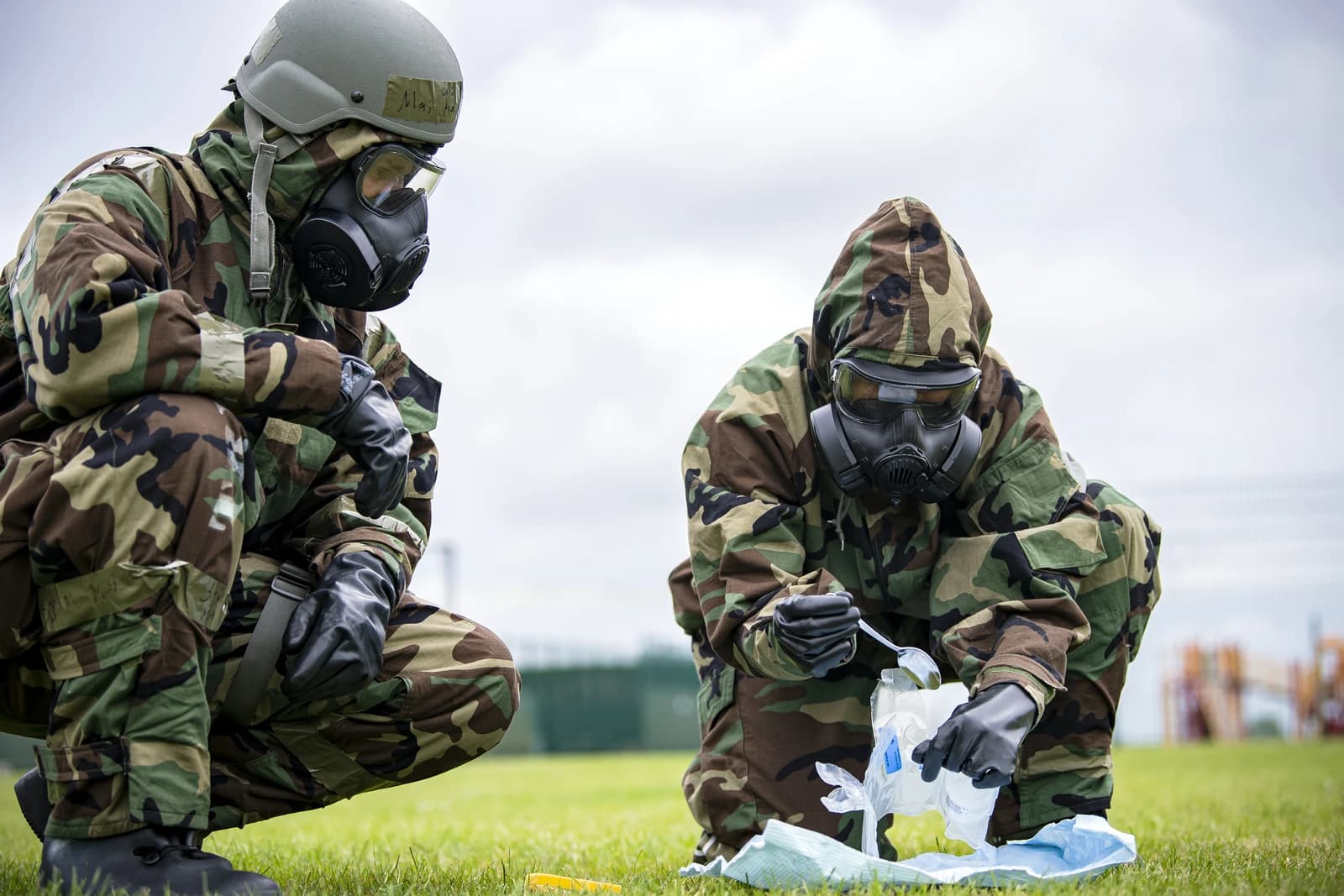
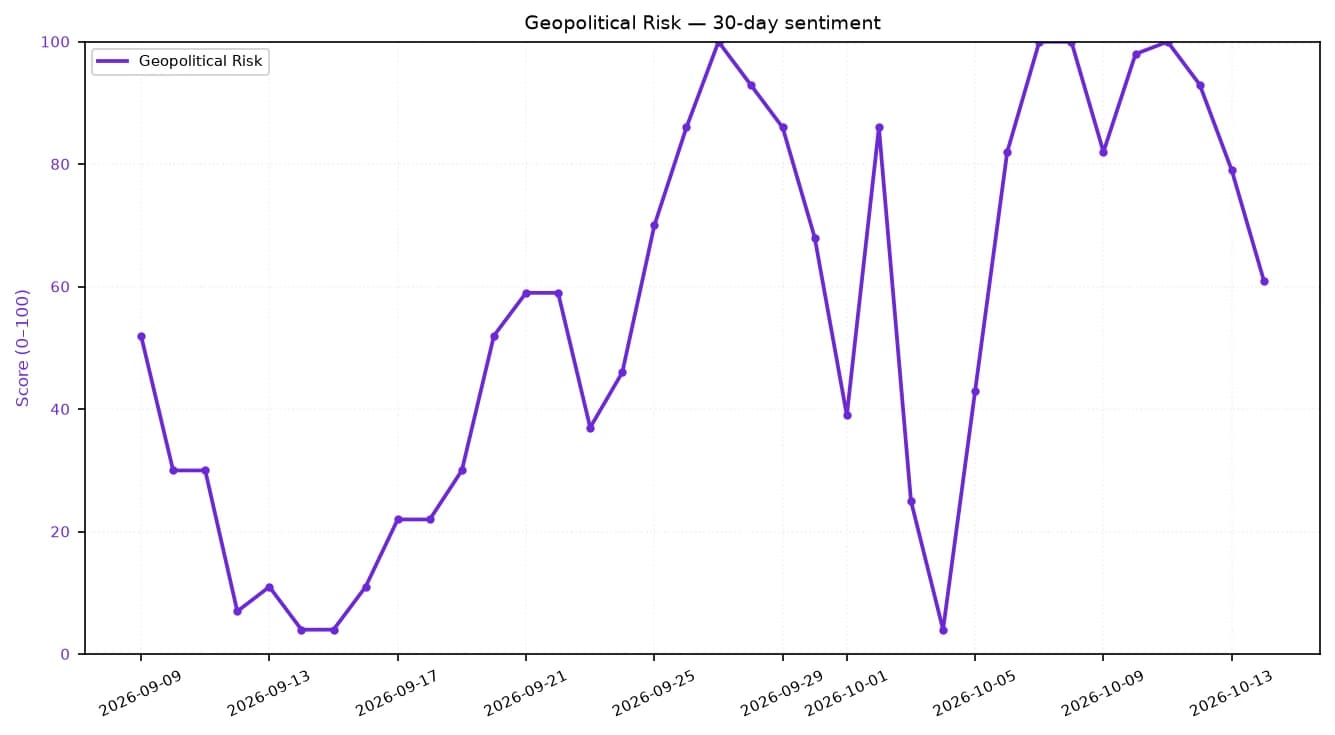
Europe is moving to harden its disaster-response playbook as wildfires, floods, cyberattacks and geopolitical shocks converge into a broader resilience problem that is already carrying a real economic cost.
EU Resilience Spending Rises on Floods and Wildfires
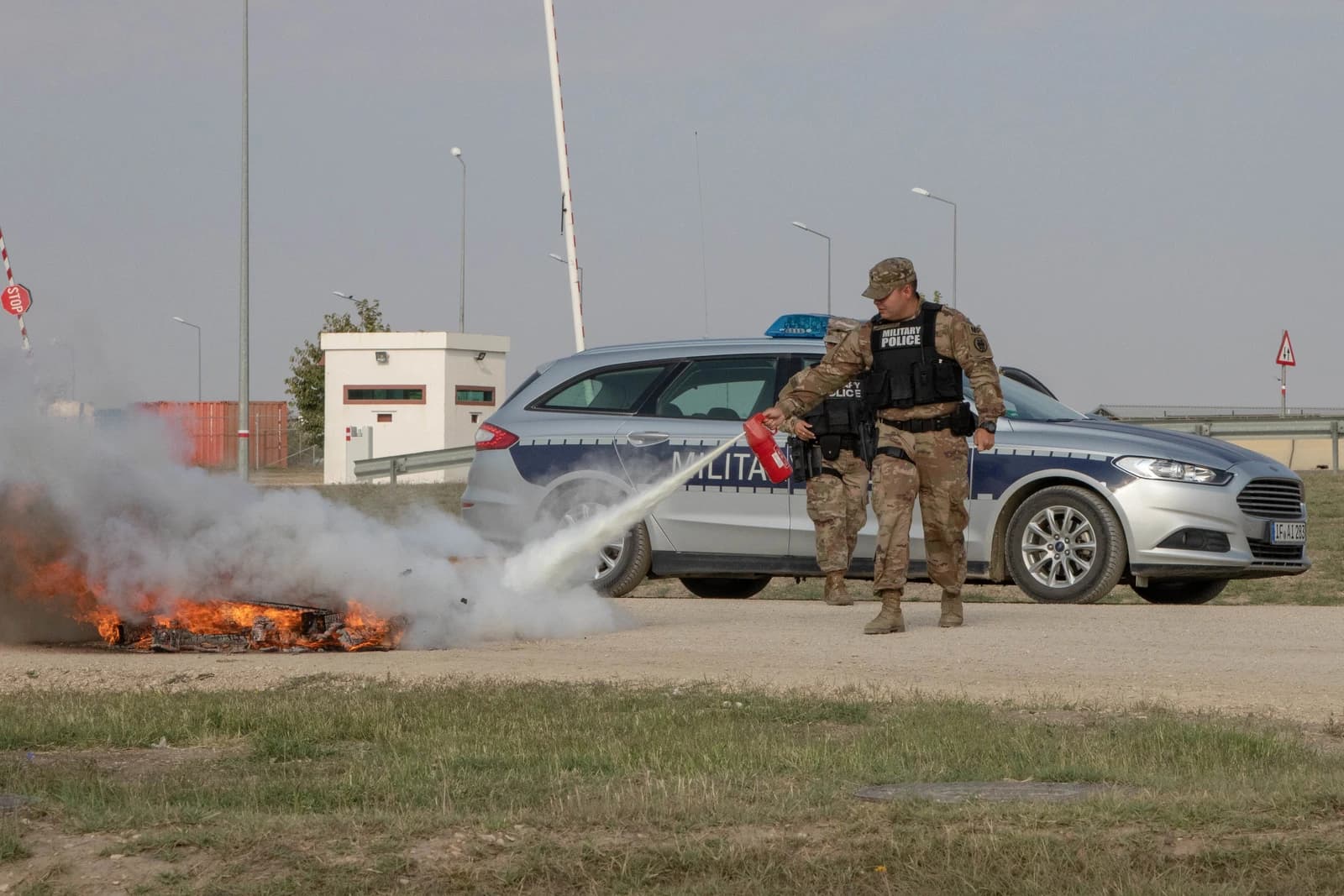
The European Commission has launched a cross-border preparedness campaign in seven member states, including Romania, after a year in which fires scorched more than 669,000 hectares across the continent and floods were estimated to drain about 8.6 billion euros annually from the EU economy. For investors, the key point is not the public-awareness messaging itself but the scale of the contingency spending and infrastructure demand it points to: governments are shifting from crisis response to pre-positioning equipment, training crews and building redundancy into critical systems.
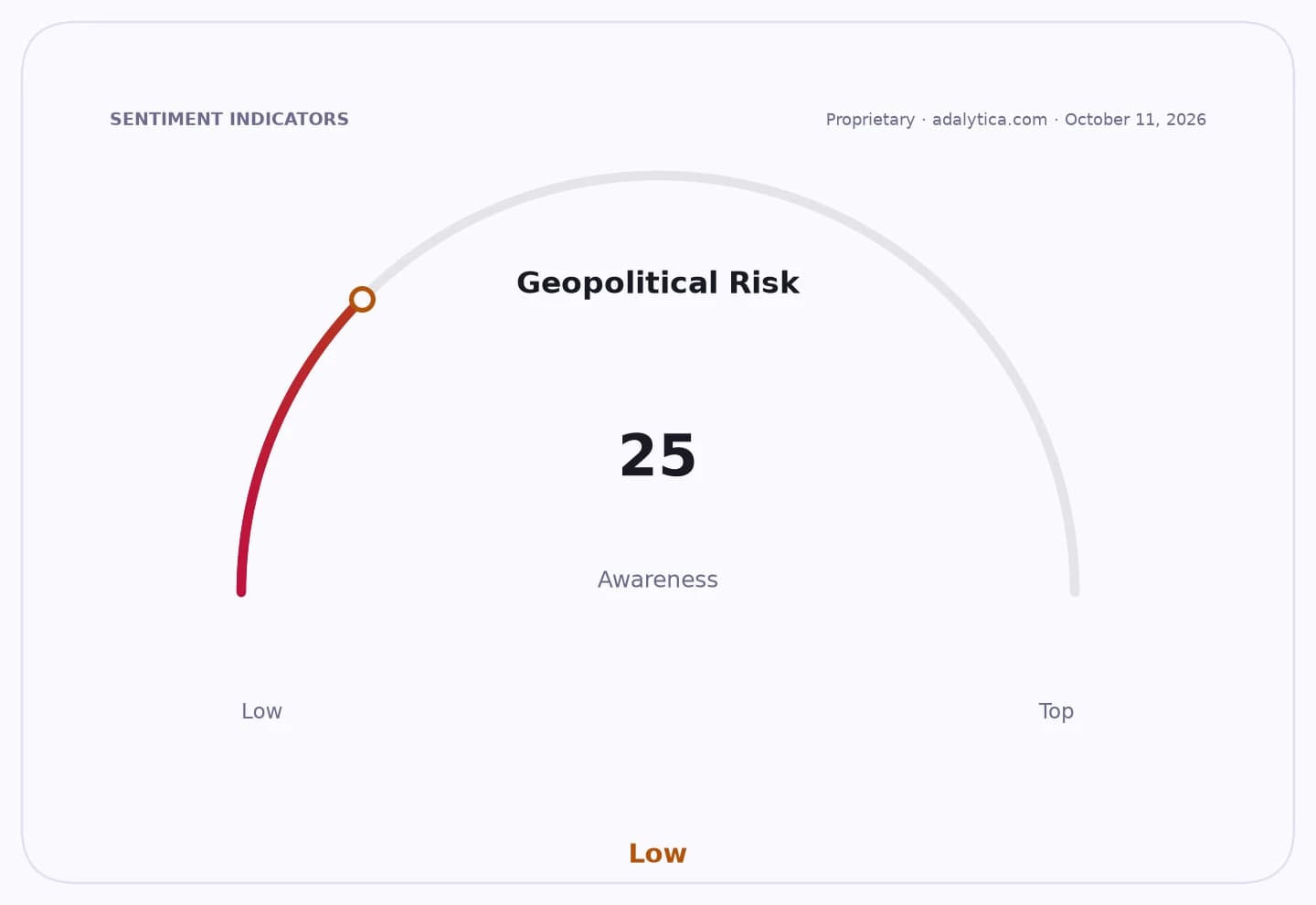
Sentiment IndicatorsⓘProprietary · adalytica.com · October 14, 2026
This is a snapshot — live sentiment, awareness and momentum for 130+ markets update continuously in the dashboard.Open AlphaPulse
That shift matters because the risk set is widening. Brussels is no longer treating disasters as a weather-only issue. The new campaign explicitly folds in power outages, public-health emergencies, cyber incidents and geopolitical threats, reflecting the reality that modern supply chains, utilities and emergency services can be disrupted by a single event or a cascade of them. The EU has already allocated 3.6 billion euros to its civil-protection mechanism for 2021-2027, while the rescEU stockpile and Copernicus satellite monitoring have become core pieces of the bloc’s emergency architecture.
Romania is a useful case study in why this is becoming more urgent. The country has been hit by severe flooding, including the 2024 storm Boris, which dumped more than 150 liters of rain per square meter in parts of Galați and Vaslui in less than 24 hours and left water 1.5 to 2 meters deep in several communities. At the same time, Romanian firefighters are now routinely part of Europe’s mutual-aid network, with 40 personnel and eight vehicles deployed to France this year and earlier pre-positioned in Greece. That cuts both ways: Romania is a beneficiary of EU support when domestic resources are stretched, but it is also being asked to contribute to an increasingly expensive continental safety net.
The economic logic is straightforward. Severe-weather damage, emergency logistics, insurance claims, power-system repairs and temporary disruptions to transport and commerce all feed into higher fiscal costs and slower growth. Households face a separate vulnerability: the latest local readings show a large gap between awareness and readiness, with many Romanians saying they know what to do in an earthquake but far fewer having a family plan, first-aid kit or savings cushion. That leaves governments as the backstop of last resort, which raises the importance of public spending on prevention, response capacity and resilience upgrades.
For markets, the implications extend beyond defense and public administration. The clearest beneficiaries are companies tied to emergency equipment, fire suppression, satellite monitoring, power resilience, cybersecurity and infrastructure hardening. More broadly, the trend favors suppliers that can prove they help governments reduce downtime and protect critical assets. The losers are underinsured municipalities, utility systems with limited redundancy and businesses exposed to repeated outage or flood risk without the balance-sheet strength to absorb losses.
The investment case is therefore less about a single disaster than about a structural repricing of risk. As Europe prepares for more frequent and more complex emergencies, the winners will be the states and companies that can turn preparedness into capability before the next shock arrives.
| Entity | Gains | Losses |
|---|---|---|
| EU civil-protection system | ▲Bigger budgets, stronger coordination | ▼Higher ongoing fiscal burden |
| Romania and other exposed members | ▲Faster cross-border support | ▼Greater pressure from floods and storms |
| Resilience and cybersecurity suppliers | ▲More public-sector spending | ▼Commoditized vendors without differentiation |
| Unprepared households and local authorities | ▲— | ▼Higher losses, slower recovery |