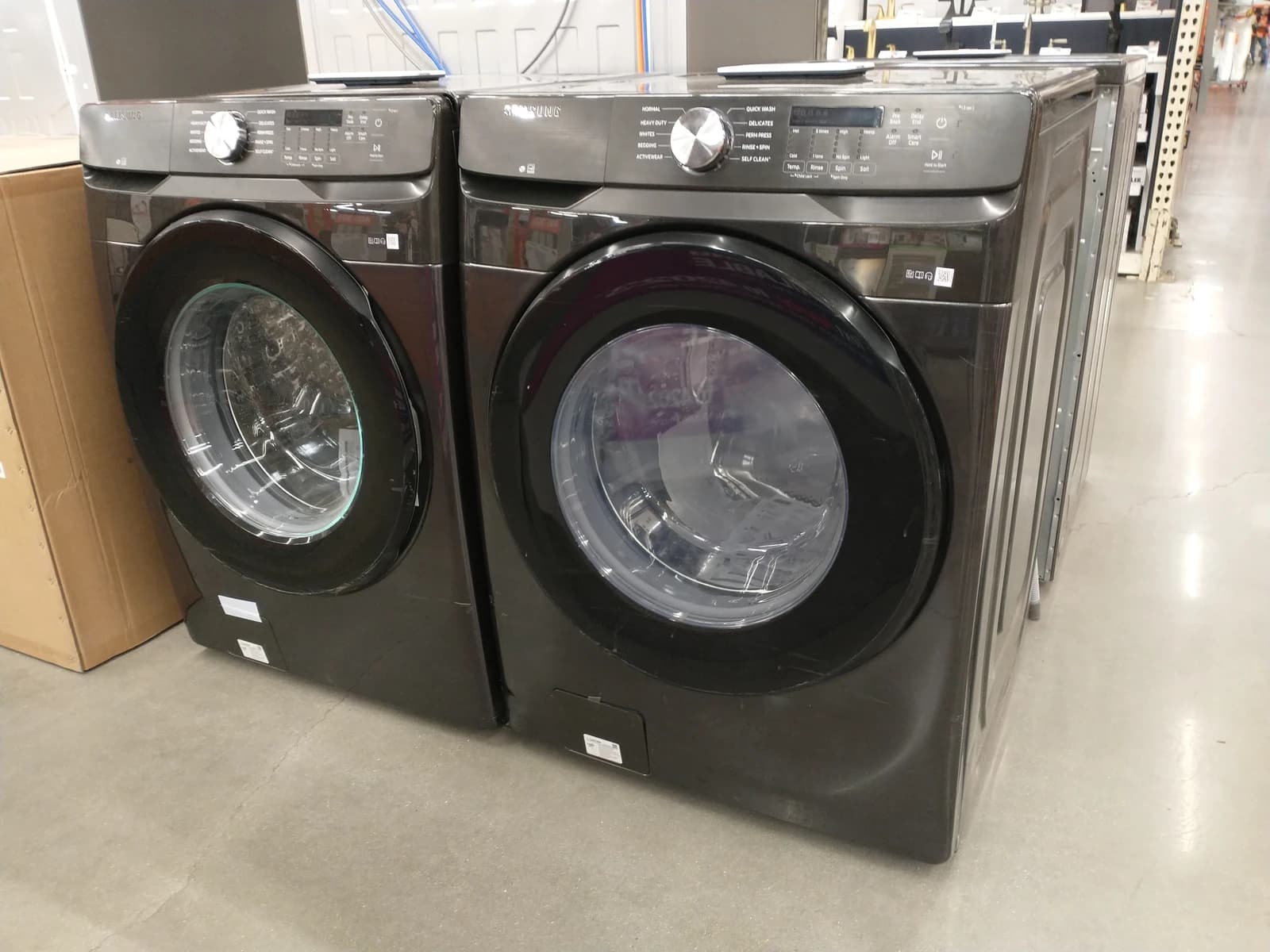
Europe’s new right-to-repair rules could extend the life of washing machines, fridges and other household appliances, a policy shift that threatens to slow replacement demand and squeeze one of the most reliable profit engines for global appliance makers.
EU right-to-repair rules pressure appliance makers
For investors, that matters because the European Union is turning repairability into an economic variable, not just a consumer-rights slogan. If customers keep appliances longer, unit sales of replacement products can soften, while demand shifts toward spare parts, authorized service networks and cheaper compatible components. That is a margin and mix story for manufacturers that have traditionally benefited when broken appliances are replaced rather than fixed.
The rules, introduced at the end of the summer, require producers to provide repair services for certain products when technically possible, with work done within a reasonable time and at no gratuitous cost or a reasonable price depending on the case. Covered categories include refrigerators, washing machines, tumble dryers, dishwashers, vacuum cleaners and televisions, with mobile phones and tablets also included under the bloc’s framework. Makers must also make repair information easier to access and keep spare parts available at reasonable prices.
The most market-sensitive change comes later: for products bought from July 31, 2026, if a defect covered by the legal warranty is fixed through repair, the seller’s liability period will be extended once by 12 months. That creates a direct incentive for consumers to choose repair over replacement and could push manufacturers to rethink warranty economics, parts inventory and after-sales pricing across Europe.
The policy also limits the ability of manufacturers to block independent repair shops without justification and allows compatible parts that meet legal standards. That opens the door to a broader repair ecosystem and a more competitive aftermarket — good for small service operators and parts suppliers, less so for brands that have depended on control over servicing and replacement cycles.
Whirlpool, which sells appliances globally and counts Europe among the most regulated consumer markets, has already been trading like a stock under pressure from tariff uncertainty and margin worries. Its shares closed at $30.13 on Nov. 3, far below the 200-day moving average of $47.87, even after recovering from an October low near $26. The move underscores how sensitive appliance names remain to policy shocks that can alter demand patterns, pricing power and aftermarket economics.
The broader investment takeaway is that the right-to-repair regime does not kill the appliance market; it changes where the money is made. Over time, capital may rotate toward firms with strong parts distribution, service networks, diagnostics, circular-economy capabilities and low-cost maintenance offerings. Investors should watch for winners in the repair supply chain even as traditional replacement-driven appliance models face a structural headwind in Europe.
| Entity | Gains | Losses |
|---|---|---|
| Consumers | ▲Lower repair costs | ▼Fewer forced replacements |
| Independent repair shops | ▲Easier market access | ▼Less blocked by makers |
| Parts suppliers | ▲Higher aftermarket demand | ▼— |
| Appliance makers | ▲Service revenue opportunity | ▼Replacement sales pressure |