The European Union is preparing to add the Moscow Exchange to a new sanctions package against Russia, a step that would strike at one of the country’s core financial market infrastructure pillars and further isolate Russian capital markets from the West.
EU Sanctions Moscow Exchange in New Russia Escalation

The move matters because the Moscow Exchange sits at the center of trading in Russian equities, bonds, currencies and derivatives. Sanctioning it would deepen the pressure on Moscow’s financial plumbing, complicate access to liquidity and raise the cost of moving capital inside and outside Russia at a time when the bloc is trying to sustain economic pressure over the war in Ukraine.
The package, approved by EU ambassadors, is reportedly shorter than earlier drafts but still marks a meaningful escalation after years of incremental restrictions. Officials are also said to have inserted language explicitly citing Russia’s attack on Kyiv as justification, underscoring the political intent behind the latest round even as some member states push for a softer approach.
For investors, the immediate implication is further fragmentation of Russia-linked assets and even less transparency around pricing, settlement and counterparty risk. Any businesses or funds still exposed to Russian markets face another layer of operational and compliance uncertainty, while European financial firms with residual links to Russia are likely to face heightened scrutiny.
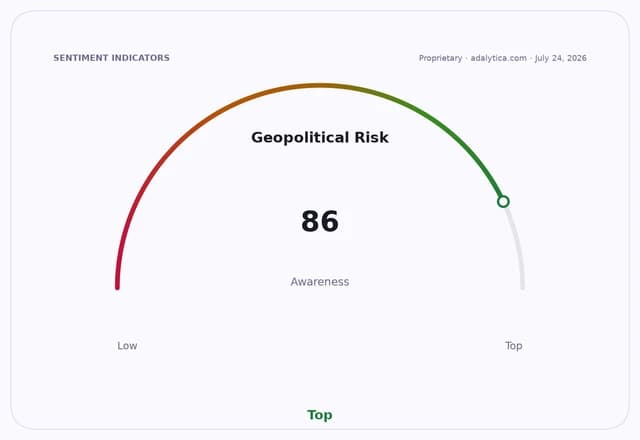
Geopolitical Risk — 30-day sentimentadalytica.com
Explore this data interactively — full history, time series and cross-market comparisons.Open AlphaPulse
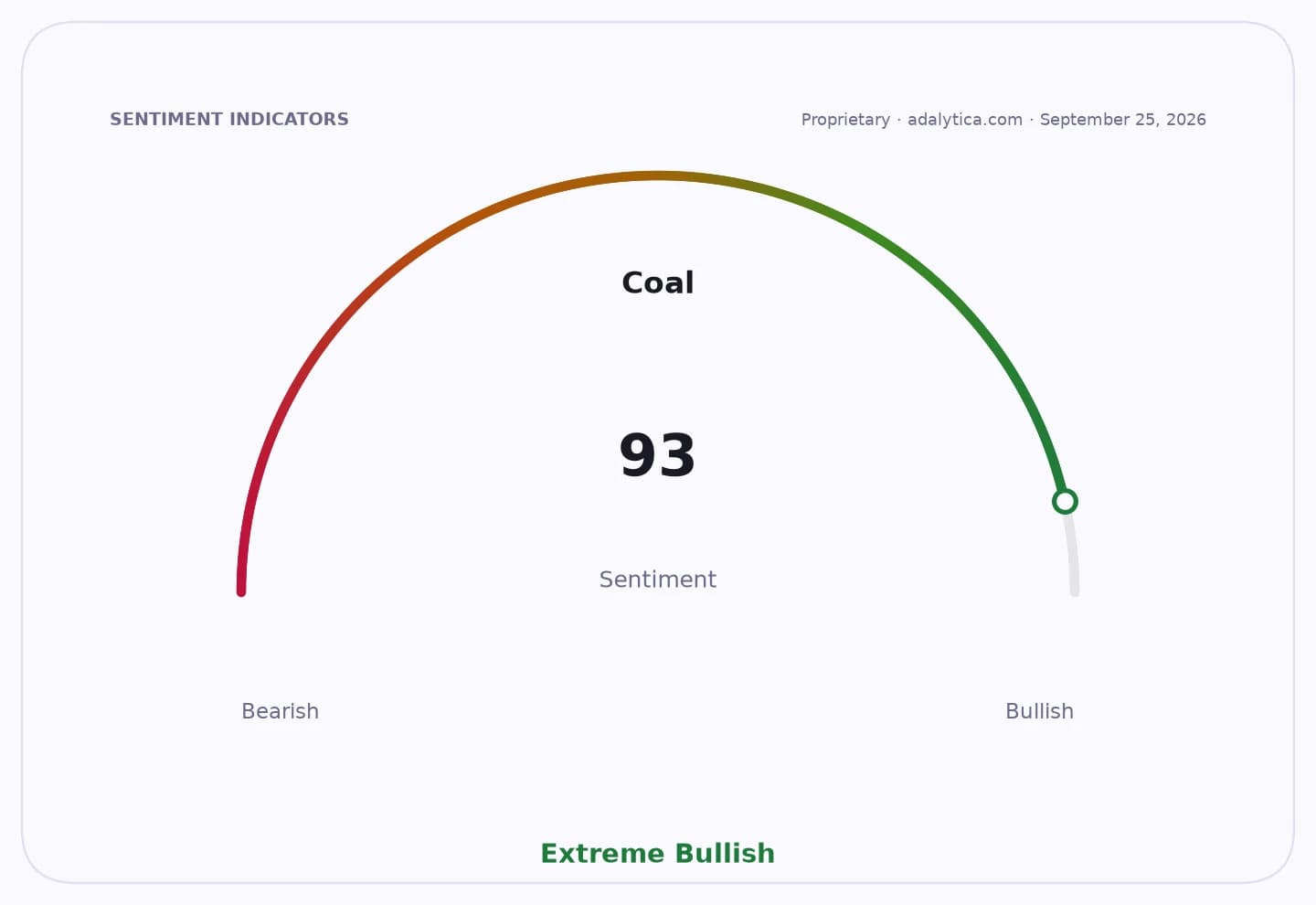
The market backdrop is already defensive. Adalytica’s Global Stability Sentiment gauge shows “Extreme Fear” at 7, after a sharp deterioration over the past month, reflecting the kind of geopolitical stress that tends to support havens and punish risk-sensitive assets tied to the region.
The new sanctions package also highlights the EU’s internal tension: six countries reportedly pressed to ease measures, a sign that fatigue is building inside the bloc even as Brussels continues to widen pressure points on Russia’s economy. That political split will matter for how far future rounds can go and how aggressively the EU can target remaining financial channels.
The next market focus is whether the package lands with broader sectoral restrictions or triggers retaliation from Moscow, with traders watching for any spillover into European banks, energy flows and Russia-exposed assets.
| Entity | Gains | Losses |
|---|---|---|
| EU policymakers | ▲Leverage over Moscow | ▼Political consensus |
| Russian markets | ▲None | ▼Liquidity and access |
| European banks with Russia exposure | ▲Lower exposure risk | ▼Residual operational uncertainty |
| Sanctions hawks | ▲Stronger pressure on Russia | ▼None |